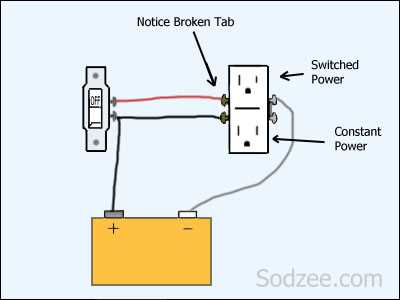
Start by ensuring you have the correct tools and materials for the job: a switch, power cord, screws, electrical tape, and a junction box. Using the right gauge of wire is critical for safety and performance, so choose the appropriate size based on the amperage of the circuit.
Next, disconnect power to the circuit by turning off the breaker at the panel. This will prevent any accidental shocks while you work. Carefully remove the existing cover plate and switch from the wall, then inspect the wiring to understand how the current setup is configured.
For the installation, begin by connecting the hot wire to the switch terminal, ensuring a firm connection. The neutral wire should be connected directly to the power socket. Double-check all connections to make sure there is no chance of a short circuit. Secure everything in place with the junction box, and reattach the cover plate once the job is complete.
After wiring is finished, restore power and test the new setup by flipping the switch. If everything is working as expected, you’ve successfully installed the new system.
Steps for Installing a Controlled Power Source
Begin by choosing the correct components for the installation. You will need a standard power socket, a switch, a power source, and the appropriate length of electrical wire. Be sure the wire is rated for the correct amperage, as this is critical to prevent overheating and ensure the safety of the circuit.
Preparing the Electrical Box
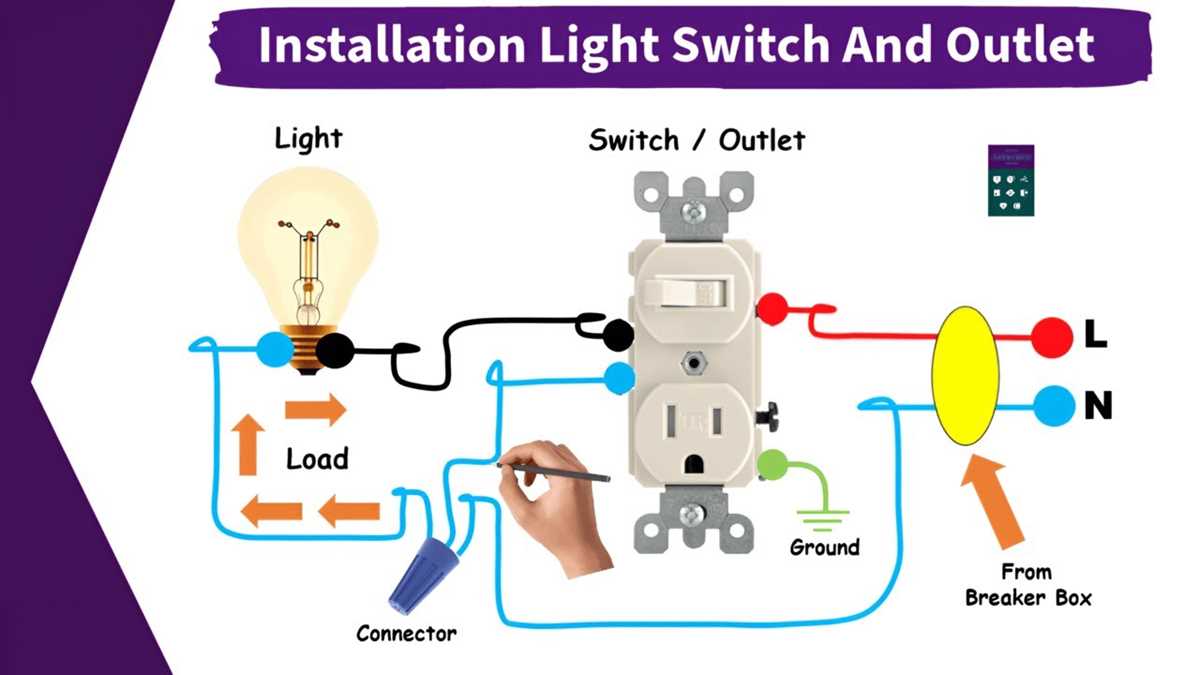
Before proceeding, turn off the main power supply at the circuit breaker to avoid any accidents. Remove the existing plate or socket, then prepare the electrical box by cleaning any debris. Attach the switch to the box securely using screws. Ensure the power cables are long enough to reach the terminals of the switch and socket. In most setups, the hot wire will be routed through the switch to allow control over the power flow.
Making the Connections
Connect the hot wire to one terminal of the switch, ensuring a tight and secure connection. The neutral wire should go directly to the power socket. Finally, attach the ground wire to the grounding screw on the box or socket. Once all wires are in place, double-check each connection for tightness and proper insulation. After the components are secured, reattach the cover and restore power to test the installation.
Choosing the Right Materials for Installing a Controlled Power Source
Selecting the right wire is one of the most important steps. For residential applications, 14/2 or 12/2 gauge copper wire is typically used, depending on the amperage of your circuit. A 15-amp circuit usually requires 14 gauge, while a 20-amp circuit needs 12 gauge. Ensure the wire is rated for 120V or 240V, depending on your system, and use wires with proper insulation to avoid shorts.
Switch and Socket Selection
Choose a high-quality switch and socket that are rated for the voltage and amperage you plan to use. For most standard circuits, a 15-amp single-pole switch and a matching socket should suffice. Make sure the materials are durable and have a solid connection. Opt for materials that meet the required UL safety standards for electrical components.
Other Required Tools and Materials
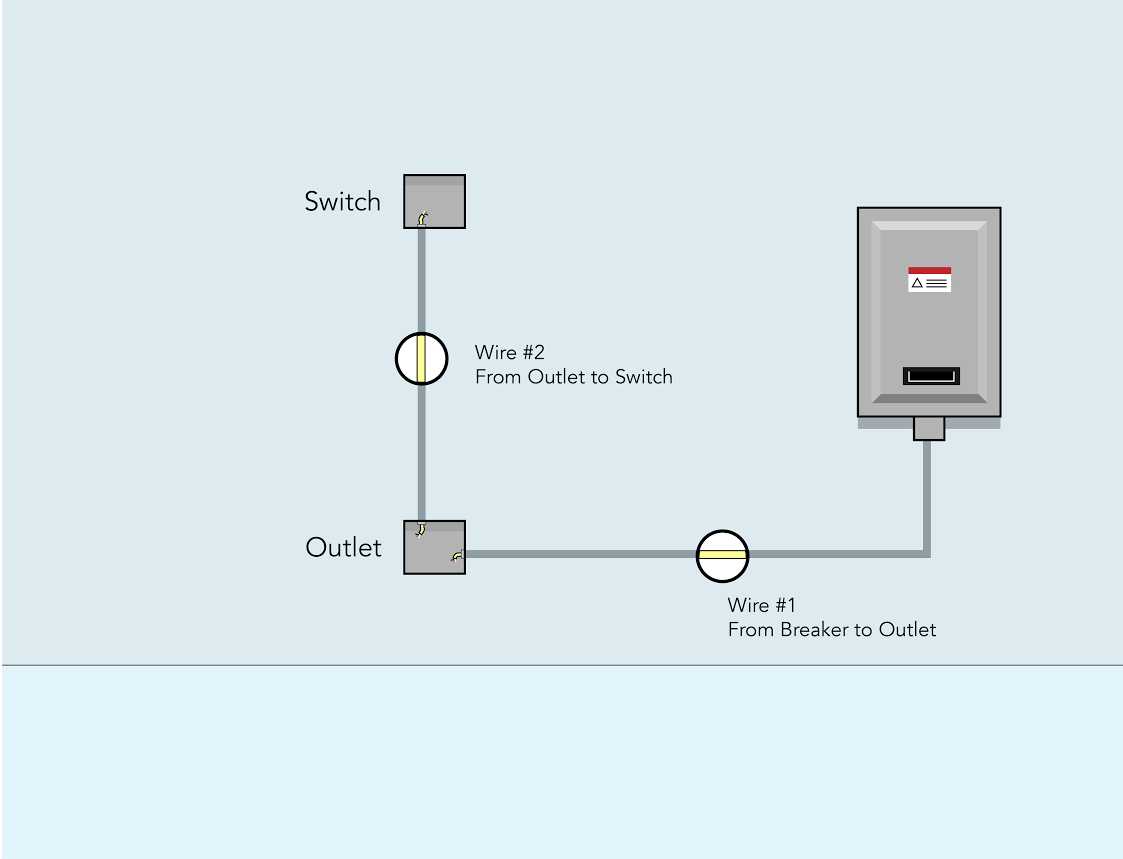
In addition to the wiring and electrical components, you’ll need a few tools: a screwdriver, wire stripper, pliers, electrical tape, and a voltage tester. Ensure the electrical box is compatible with the switch and socket you plan to install. A box that is too small will make installation difficult and unsafe. Grounding screws or clips are also necessary for a secure ground connection.