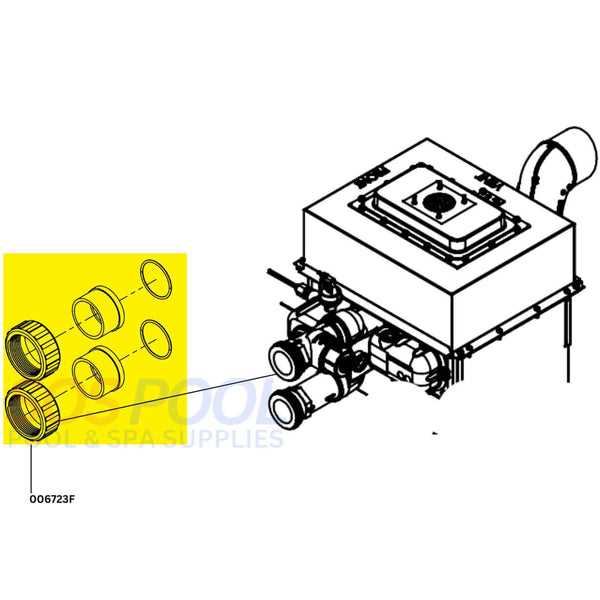
To maintain the longevity and optimal performance of your heating unit, understanding each component’s function and location is key. Regular inspection and prompt replacement of faulty elements will prevent costly repairs and improve overall efficiency.
Understanding the flow of water through the system is fundamental. The pump is responsible for circulating water to ensure it reaches the heat exchanger efficiently. Keep an eye on any clogging, as debris or mineral buildup can drastically reduce its effectiveness.
The ignition and control system plays a central role in regulating temperature. A malfunctioning thermostat or faulty wiring can disrupt the heating process. It’s advisable to periodically check connections and replace the sensor if it shows irregular readings.
Keep the combustion chamber clean to avoid damage caused by soot accumulation. Poor ventilation or leaks in the chamber can cause overheating or inefficient heating cycles. Make sure the exhaust system is clear of obstructions to maintain a safe environment.
Check all seals regularly to avoid heat loss. If seals around the unit show signs of wear or cracks, it can lead to inefficient performance and increase your energy consumption.
Understanding the Key Components of Your Heater System
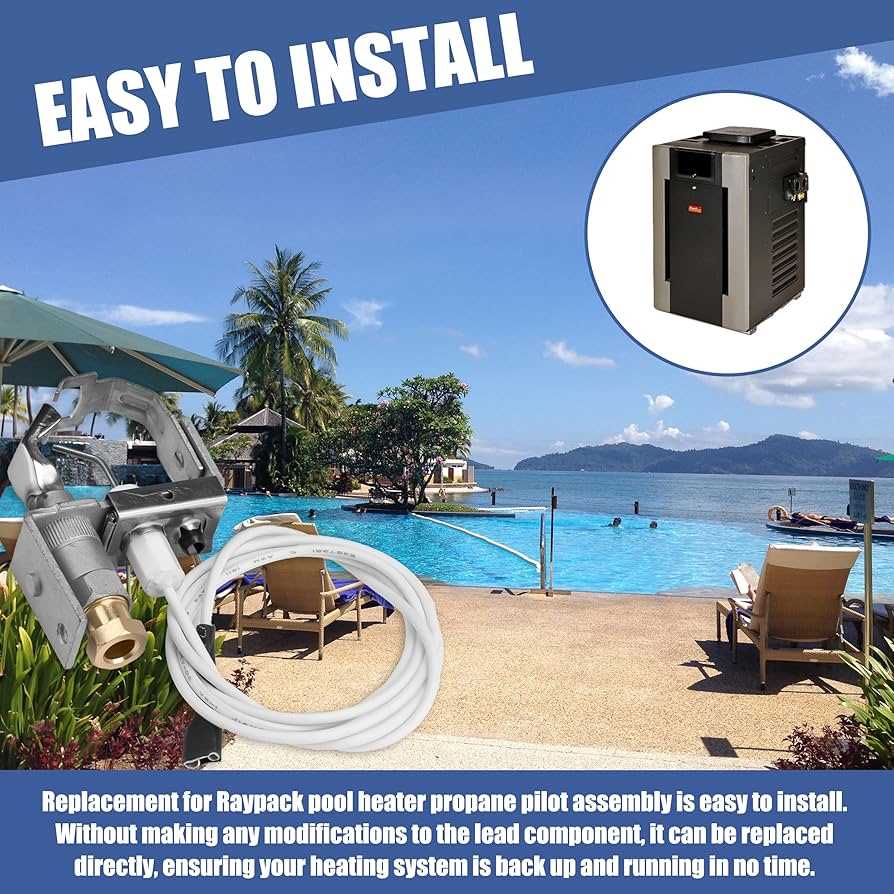
Identifying the various elements of your system will help with quick troubleshooting and repairs. Ensure you check these key parts regularly to maintain performance.
- Heat Exchanger: This unit is responsible for transferring heat from the energy source to the water. Keep it clear of debris for optimal functioning.
- Gas Valve: Controls the flow of fuel to the burner. If you’re experiencing issues with ignition, this component should be inspected for leaks or blockages.
- Burner Assembly: Located inside the combustion chamber, it plays a key role in producing heat. Look for signs of corrosion or dirt buildup that could prevent ignition.
- Pressure Switch: This device detects water flow, ensuring that the unit doesn’t operate without adequate circulation. It can sometimes malfunction if the flow rate is too low.
- Thermostat: The temperature regulation unit ensures that water is heated to the desired level. A faulty thermostat can cause inconsistent temperature readings.
- Fan Motor: Powers the blower that supplies air to the combustion chamber. Ensure it runs smoothly to prevent overheating or insufficient heating.
- Flame Sensor: Senses the flame inside the combustion chamber and signals the system to continue burning. Clean or replace it if the heater cycles off unexpectedly.
- Control Board: The brain of the entire operation. If you’re facing electrical issues, it’s worth checking for malfunctioning wiring or a damaged board.
Regular maintenance of each component will prolong the life of your unit and ensure reliable performance during use.
Understanding the Main Components of a Pool Heating System
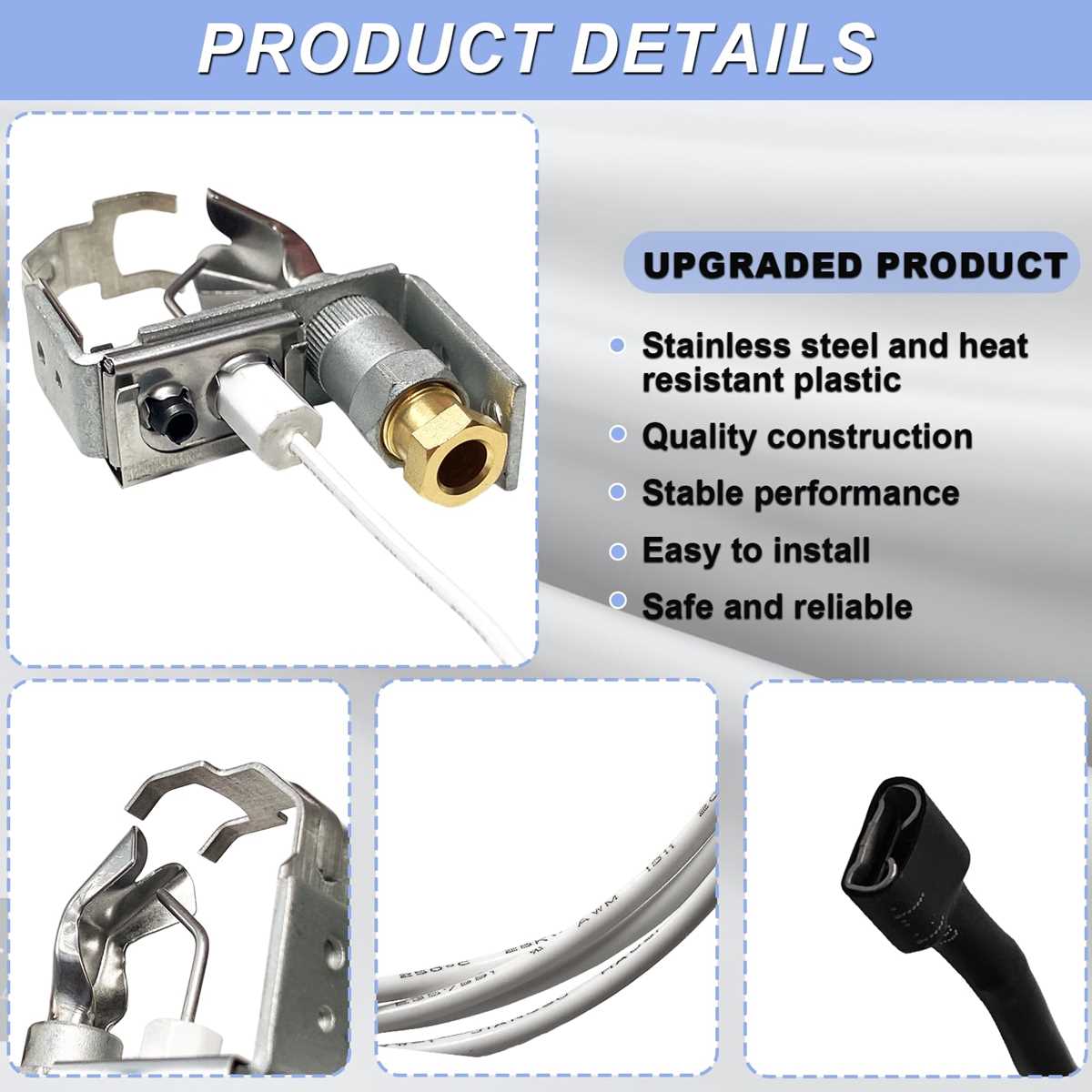
The heat exchanger plays a central role in transferring heat from the source to the water. This part is typically made of high-quality materials, such as copper or titanium, ensuring efficient thermal conduction while resisting corrosion. If the exchanger is damaged or clogged, water circulation can be severely compromised, leading to ineffective heating. Regular cleaning and inspections can prevent buildup that might impair performance.
The burner assembly is responsible for igniting the fuel, providing the necessary energy to heat the water. Commonly, it is equipped with a safety mechanism that shuts down in the event of irregular combustion. Ensuring the burner is clear of debris and working properly helps maintain consistent temperature regulation. Look for signs of wear, especially on the igniter or electrode, as these are prone to degradation over time.
A thermostat regulates the water temperature by monitoring and adjusting the system’s operation. If the water temperature exceeds the preset level, the thermostat signals the burner to shut off, preventing overheating. Malfunctions in the thermostat can lead to improper temperature control, either overheating the water or failing to heat it adequately. It’s important to replace a faulty thermostat promptly for optimal performance.
The fan unit ensures proper ventilation by directing airflow to cool down critical components, like the heat exchanger. Without a functioning fan, overheating can occur, potentially damaging internal parts. Inspect the fan regularly for dirt or obstructions, and replace damaged blades or motors to maintain air circulation.
The gas valve is a key component that regulates the fuel supply to the burner. It opens and closes in response to signals from the thermostat. A malfunctioning valve can result in inefficient operation or even gas leaks, posing a safety hazard. Regular checks for leaks and ensuring the valve is functioning correctly can prevent major failures.
The pump is responsible for circulating the water through the system, ensuring it flows through the heat exchanger. If the pump is malfunctioning, the water will not be heated efficiently. Pay attention to the sound and flow rate of the pump to detect early signs of wear or blockage.
How to Identify and Replace Faulty Heater Components
Check for error codes or abnormal behavior first. These are often a sign of malfunctioning elements such as the thermostat or ignition system. If the unit fails to turn on, inspect the power supply and connections to the circuit board. A tripped breaker or damaged fuse can prevent activation.
If the unit is cycling on and off, the temperature sensor could be misreading or malfunctioning. Test its accuracy with a multimeter and replace it if necessary. A faulty flame sensor can also cause intermittent operation; ensure it’s clean and undamaged.
If water temperature is inconsistent, examine the thermocouple and pressure switch. These components regulate water flow and heat output. If they are clogged or broken, replace them to restore proper function. Use a replacement that matches the specific specifications of the original unit.
Leaks from the system may indicate issues with the heat exchanger or valve seals. If leaks are spotted, shut off the system and check the components for cracks or deterioration. Replace any damaged seals or fittings and test for leaks after reassembly.
Finally, verify the gas valve and burner assembly. A malfunction here can cause incomplete combustion or a lack of heat. Inspect for blockages or wear, and ensure proper flame ignition. If necessary, replace the burner assembly and test the unit under normal operating conditions.
Step-by-Step Guide to Reading Raypak Pool Heater Diagrams
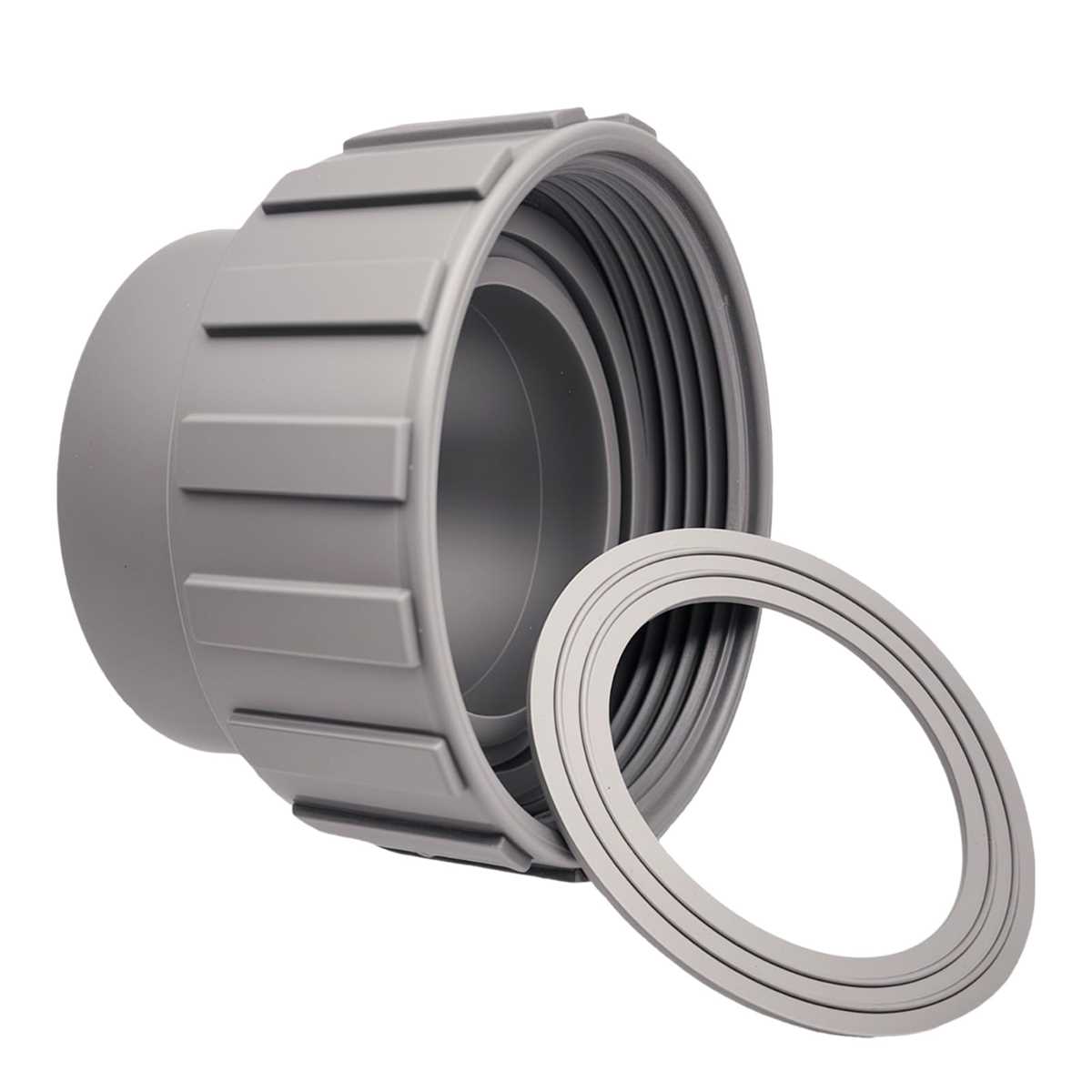
To read a schematic for a Raypak unit, identify the main sections: the electrical layout, the water flow system, and the control components. Start with the electrical connections; these are usually highlighted with lines indicating wiring paths and components like relays, transformers, and sensors. Check the voltage specifications next to each component to avoid errors when handling electrical parts.
Next, focus on the flow of water. The lines represent pipes and valves. These often have arrows indicating the direction of water movement. Pay close attention to the pumps and heat exchangers, as incorrect installation or a misread diagram here can lead to operational issues.
For the control system, find the terminal blocks and switches. These will show how the user interface connects to the internal components. Each control function will be labeled, so understanding which wire connects to which terminal is crucial for troubleshooting or modification.
Finally, consult the legend or key, often located in the corner of the schematic. This explains any symbols used and clarifies component identification, which is essential for understanding the circuit layout and avoiding misinterpretations.