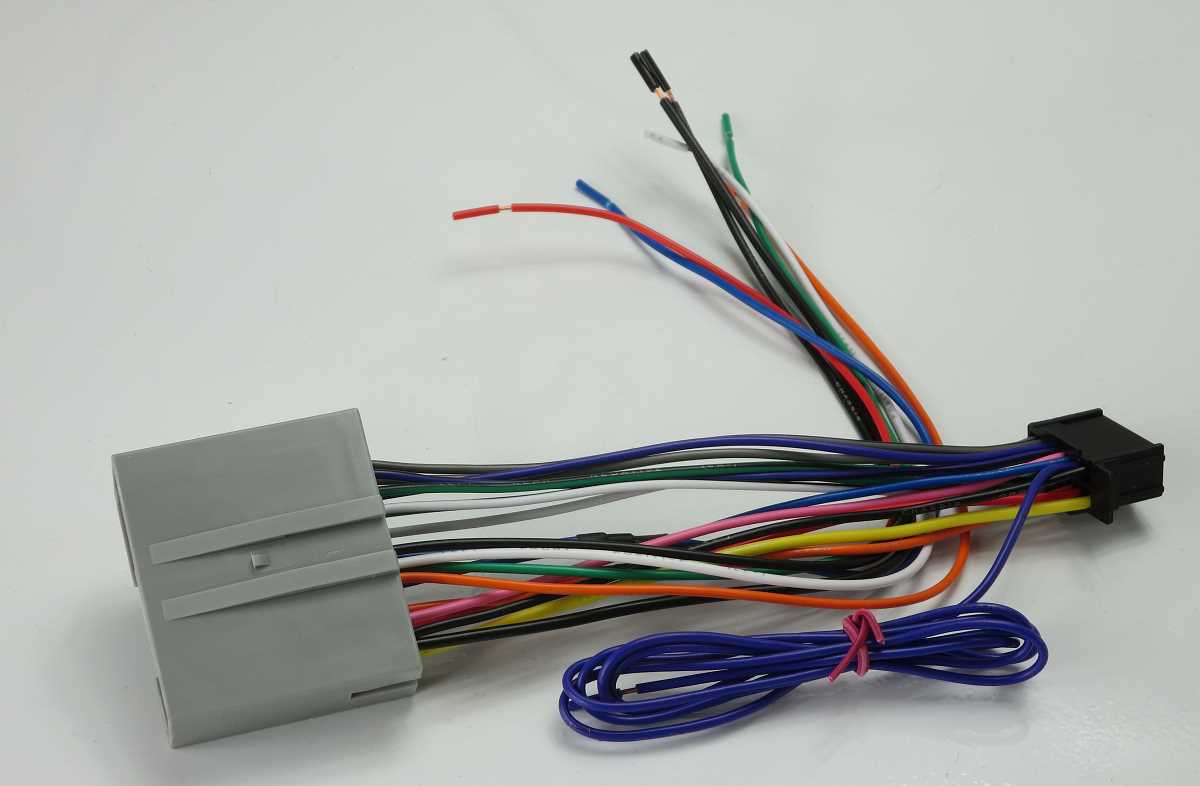
Connect the main power and ground lines first using 16–18 AWG copper conductors rated for 12 volts. Ensure terminals are clean and bolts are tightened to prevent voltage drops and intermittent operation.
Label all speaker and accessory lines with color codes or tags before installation. This prevents cross-connections and makes troubleshooting simpler if any audio channels fail to function properly.
Secure all connections with insulated terminals and route cables away from sharp edges or moving components. Use clamps or cable ties at 12–18 inch intervals to reduce vibration and abrasion over time.
Verify continuity and voltage at each connection with a multimeter before powering on the unit. Test each speaker line individually to confirm proper polarity and signal flow to all channels.
Install fuses or inline breakers on power leads closest to the battery or main source. Select a rating slightly above the expected current draw to protect circuits from surges without unnecessary tripping.
Vehicle Audio System Connection Layout
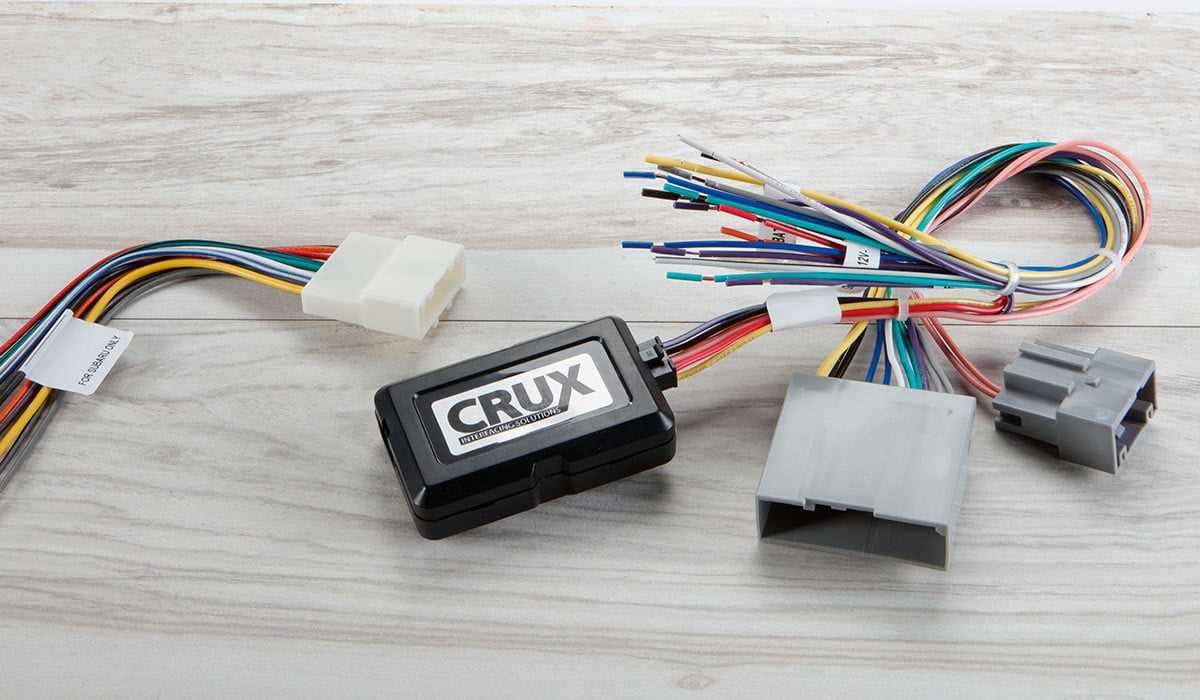
Connect the main power lead directly to the battery terminal using a 14–16 AWG copper conductor. Secure the connection with a corrosion-resistant lug and tighten to manufacturer torque specifications to avoid voltage loss under load.
Route the ground line to a clean metal surface free of paint or rust. Attach it with a star washer to ensure solid contact, minimizing electrical noise and preventing intermittent operation.
Label all speaker channels clearly before installation. Use color-coded tags or tape to distinguish front left, front right, rear left, and rear right lines, which simplifies troubleshooting and prevents reversed polarity.
Install fuses on both power and accessory leads near the battery. Choose ratings 25% higher than the maximum expected draw to protect devices without causing nuisance trips during temporary surges.
Secure cables along the dash and firewall using clamps or cable ties. Keep conductors away from heat sources, sharp edges, and moving parts to prevent insulation damage over time.
Test each speaker connection individually before final assembly. Use a multimeter or continuity tester to verify correct polarity and ensure signal reaches each speaker without interruption or loss.
Inspect all terminal connections periodically for corrosion, looseness, or discoloration. Clean and retighten connections as needed, and apply a thin layer of dielectric grease to reduce oxidation.
Document the final connection layout with a simple sketch or photo. Recording power, ground, and speaker locations allows easier troubleshooting and simplifies future upgrades or replacements.
Connecting Power and Ground for the Audio System

Attach the main positive lead to a fused connection point near the battery terminal. Use a 14–16 AWG copper conductor and tighten the lug securely to prevent voltage drops under load.
Route the negative line to a bare metal chassis point free of paint and corrosion. Secure with a star washer and bolt to ensure stable grounding and reduce electrical noise in the system.
Separate power and ground lines from signal conductors by at least 6 inches to minimize interference. Use cable ties or split tubing to keep conductors organized along the firewall and under the dash.
Fuse Selection and Protection
- Install an inline fuse on the positive lead within 12 inches of the battery connection.
- Select a fuse rated 25% above the system’s maximum current draw.
- Check fuse placement to allow easy replacement without disassembling panels.
Testing and Verification
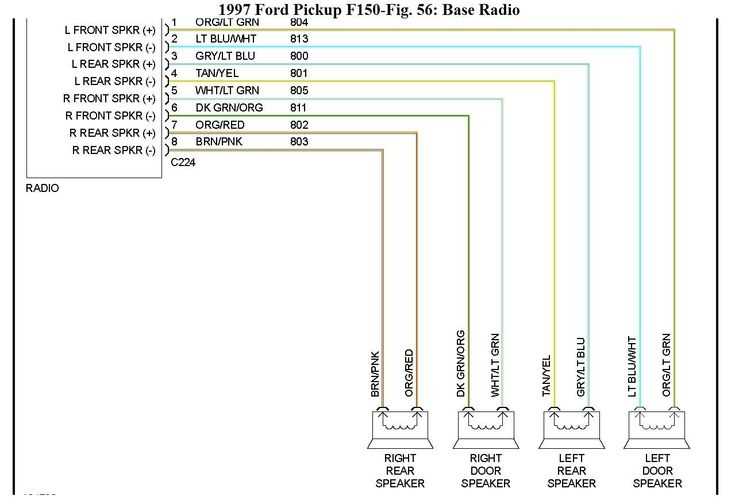
Verify voltage at both terminals before powering the unit. Use a multimeter to confirm stable 12V supply at the positive lead and continuity to the chassis ground.
Inspect all connections periodically for corrosion or looseness. Clean terminals and re-tighten bolts as needed, and apply a thin layer of dielectric grease to reduce oxidation and maintain consistent contact.