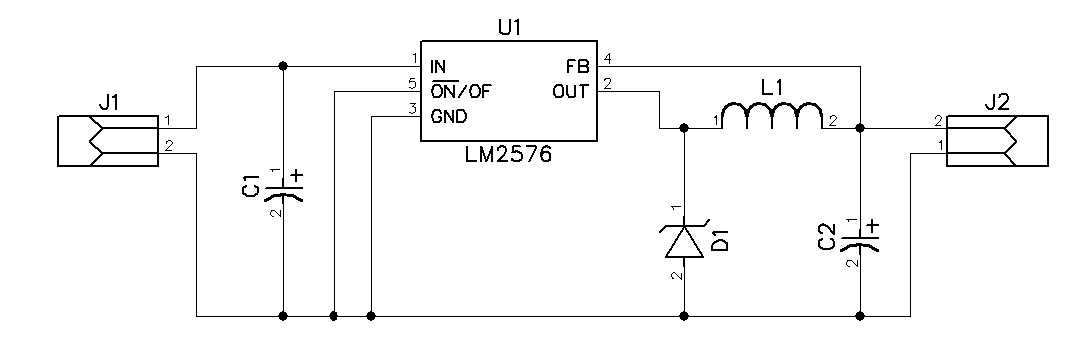
Start by selecting a voltage regulator to step down from a higher voltage to a stable 5V output. A common choice for this is the LM7805, which provides a steady 5V output when supplied with a higher input, typically between 7V and 35V. Ensure the regulator you choose can handle the current required by your device, as too much current can cause overheating or failure.
Next, connect the regulator’s input pin to the higher voltage source, and the ground pin to your common ground. The output pin will then provide the 5V required by your components. To improve the stability of the output, add capacitors to the input and output pins of the regulator. Typically, a 0.33µF capacitor at the input and a 0.1µF capacitor at the output are used, but refer to the specific datasheet for the component you’re using for exact recommendations.
For more advanced setups, consider using a buck converter if efficiency is a priority. Buck converters are more efficient than linear regulators like the LM7805, especially when converting from much higher voltages. A buck converter can deliver a regulated 5V output with less heat generation, making it ideal for projects requiring higher efficiency or when dealing with high-current loads.
5V Power Supply Circuit Design
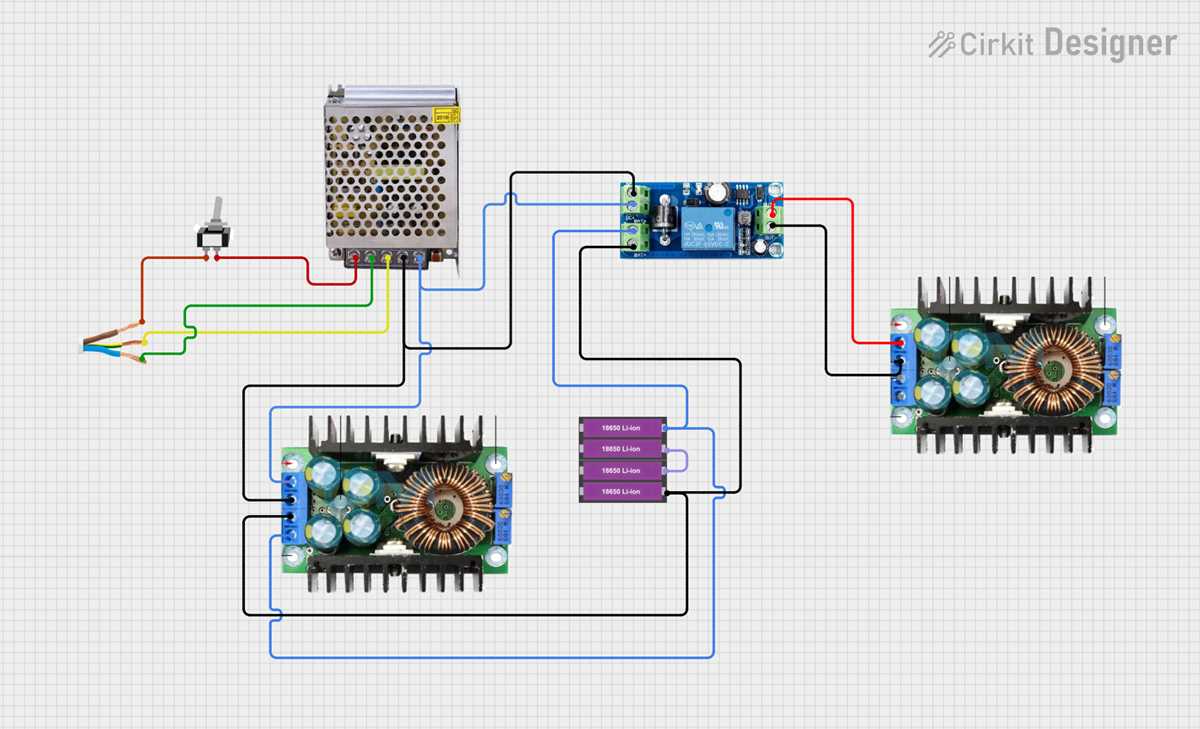
To design a stable 5V output, choose a voltage regulator such as the LM7805 or a switching buck converter. These components step down higher voltages to a steady 5V. The LM7805 is a simple option, but for higher efficiency, a buck converter is preferable, especially when power dissipation is a concern.
Start by selecting the input voltage. For linear regulators like the LM7805, an input voltage of around 7V to 12V is typically sufficient. If you are using a buck converter, ensure the input voltage is at least 1.5 to 2 times the desired output voltage for efficient operation.
Once the input voltage is determined, connect the input pin of the regulator to the higher voltage source. The ground pin should be linked to the common ground of your system. The output pin will then deliver the regulated 5V. Make sure the components are well connected to avoid any interruptions in current flow.
For improved stability and performance, add capacitors at both the input and output of the regulator. Typically, a 0.33µF capacitor on the input and a 0.1µF capacitor on the output are used to filter noise and smooth the voltage. These values can vary depending on the component specifications, so check the datasheet for optimal values.
If you’re working with a higher current load, consider adding a heat sink to the regulator. Linear regulators like the LM7805 can generate heat when handling higher currents, which could lead to thermal shutdown if the heat is not dissipated properly. A heat sink will prevent the regulator from overheating.
- Heat sink: Useful for dissipating heat generated by regulators under high current conditions.
- Inductor and Diode: For buck converters, an inductor and diode are necessary for efficient conversion. Use an appropriate diode like Schottky for low forward voltage drop.
Finally, after assembling the components, double-check the connections to ensure there are no short circuits or loose connections. Power the system up and test the output voltage using a multimeter. If the output is stable at 5V, your design is complete. If there is any fluctuation or overheating, revisit the component ratings and connections to troubleshoot the issue.
Choosing the Right Components for a 5V Power Supply
Start with selecting a voltage regulator. For a stable 5V output, the LM7805 is a popular choice, though less efficient. If you need better efficiency, opt for a buck converter, which operates with higher efficiency and generates less heat. Choose a regulator with a higher current rating if you plan to power devices that consume more than 1A.
Input Voltage Selection
The input voltage should always be higher than the desired 5V output. For linear regulators like the LM7805, aim for an input voltage between 7V and 12V. If you are using a switching regulator, ensure the input is at least 1.5 times the desired output voltage for optimal conversion efficiency.
Capacitors for Stability
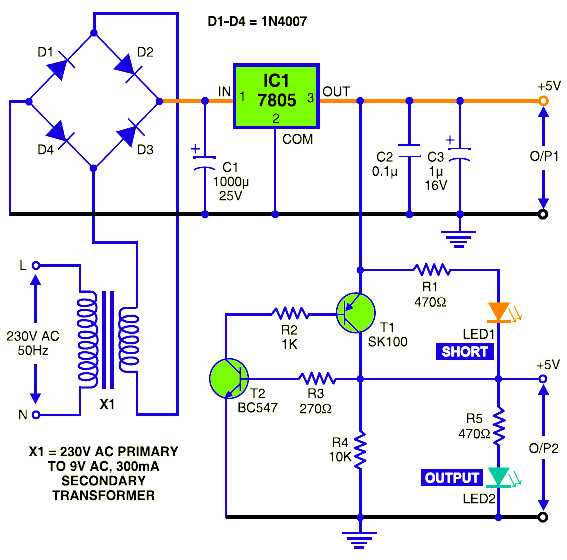
Use capacitors at the input and output to improve voltage stability. A 0.33µF ceramic capacitor at the input and a 0.1µF ceramic capacitor at the output are typical values for ensuring smooth operation. These capacitors filter high-frequency noise and provide stable operation under varying loads.
Consider the current demand of your project. If your design requires high current, a larger heatsink or a switching regulator like a buck converter is recommended. For projects that need more than 2A, ensure the regulator can handle the load, or add additional cooling elements like a fan or heat sink.
Lastly, check for inductors and diodes if using a buck converter. Choose an appropriate Schottky diode for low voltage drop and high efficiency. The inductor’s value should align with the current requirements and switching frequency of your converter.