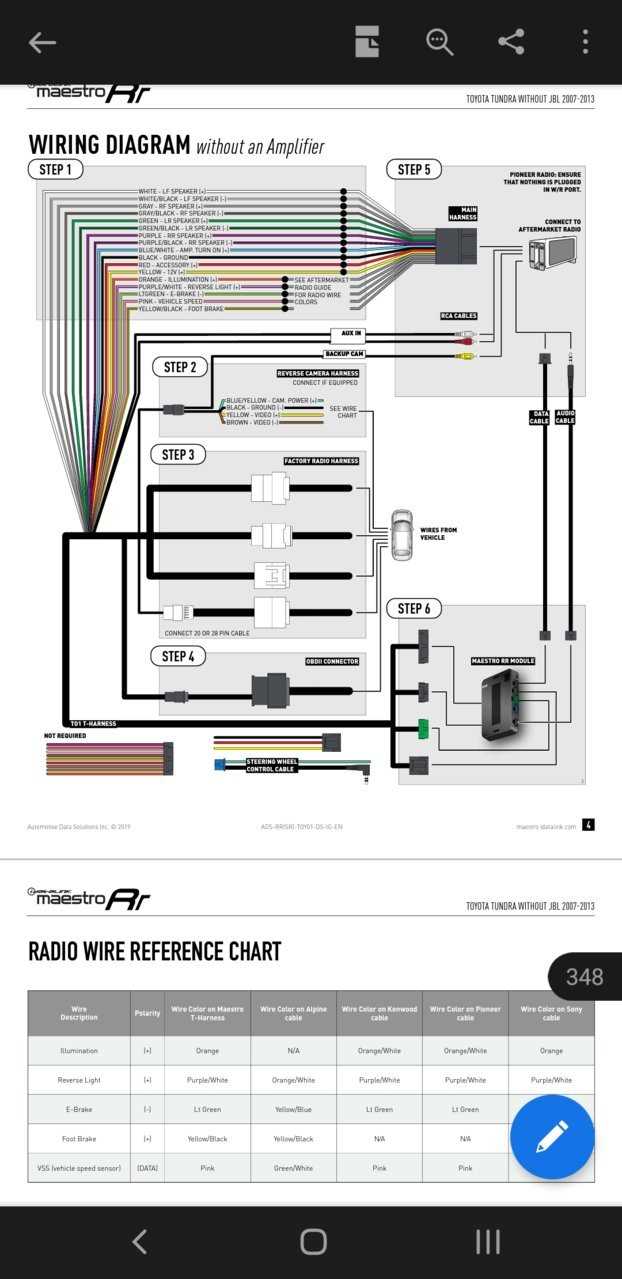
Connect the power lead directly to the battery using a 15-amp inline fuse within 12 inches of the terminal to prevent overcurrent damage. Ensure the ground wire attaches to a clean, unpainted chassis point for stable performance.
Route speaker outputs carefully to avoid interference from engine or power cables. Use color-coded leads for left and right channels and maintain consistent polarity to prevent phase cancellation and uneven sound distribution.
Integrate external devices by connecting RCA outputs to compatible amplifiers, keeping cables separated from high-current lines. Secure all connectors to prevent vibration-induced disconnections during vehicle operation.
Double-check fuse placement and voltage levels before powering the system. Incorrect connections can trigger protective shutdowns or damage sensitive components. Always measure continuity and confirm positive and negative leads match the device specifications.
Connection setup and speaker configuration guide
Connect the main power lead to a 14-gauge positive terminal with a 15-amp inline fuse placed within 12 inches of the battery. Ensure the ground wire attaches to a clean metal surface free of paint or corrosion to avoid voltage drops and interference.
Route speaker outputs separately from high-current lines. Maintain consistent polarity and color coding for front and rear channels to prevent phase issues and ensure even sound distribution.
Position speakers strategically for clear audio imaging. Front units should aim at ear level, while rear speakers provide ambient sound. Subwoofer connections must match the head unit’s impedance to avoid distortion or overloading the amplifier.
Using external amplifiers

Feed external amplifiers with RCA connections, keeping them separated from power cables to minimize noise. Secure connectors against vibrations and verify channel continuity before finalizing installation.
Testing and calibration
Check voltage at all terminals and confirm fuse ratings before operation. Adjust gain, balance, and crossover settings on the head unit to achieve distortion-free output and confirm each speaker operates correctly.
Power line connections and fuse placement for safe installation
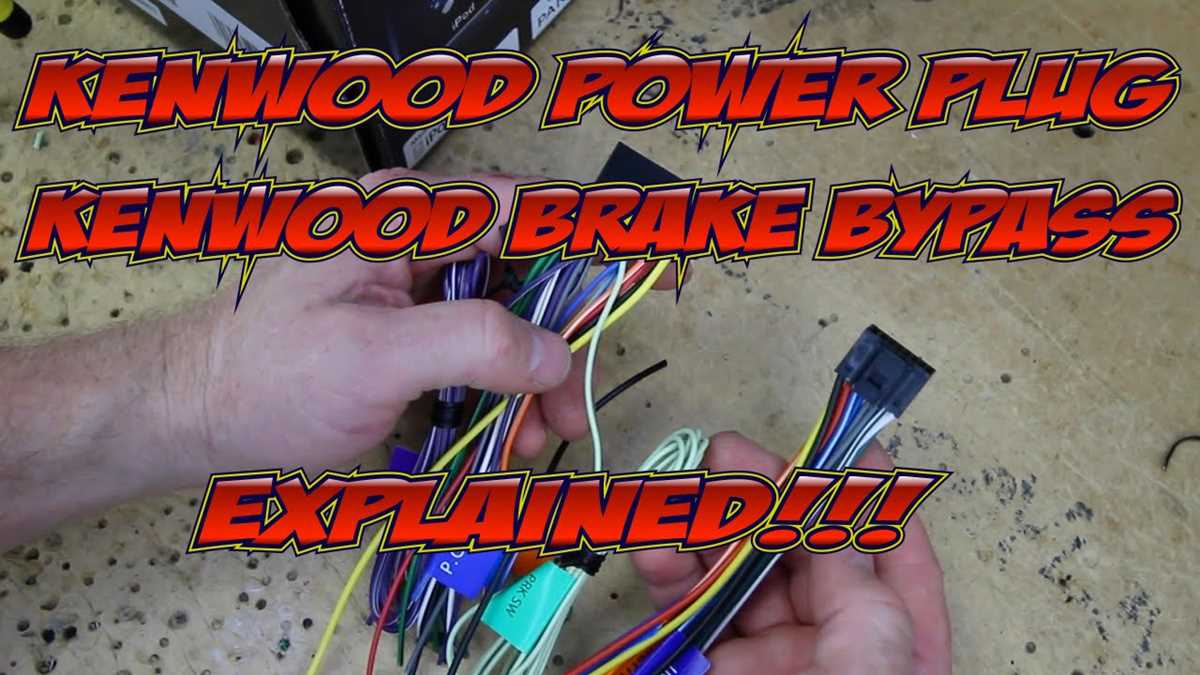
Run the main power lead using a 14-gauge cable with a 15-amp inline fuse installed within 12 inches of the battery. Secure all connections with crimped terminals and tighten screws to prevent voltage drops or accidental disconnection during vehicle movement.
Ground connections should attach to a clean, unpainted metal surface to reduce electrical resistance. Verify fuse placement matches current ratings of the head unit and amplifiers, and avoid routing power lines alongside signal cables to prevent interference and maintain clear audio output.