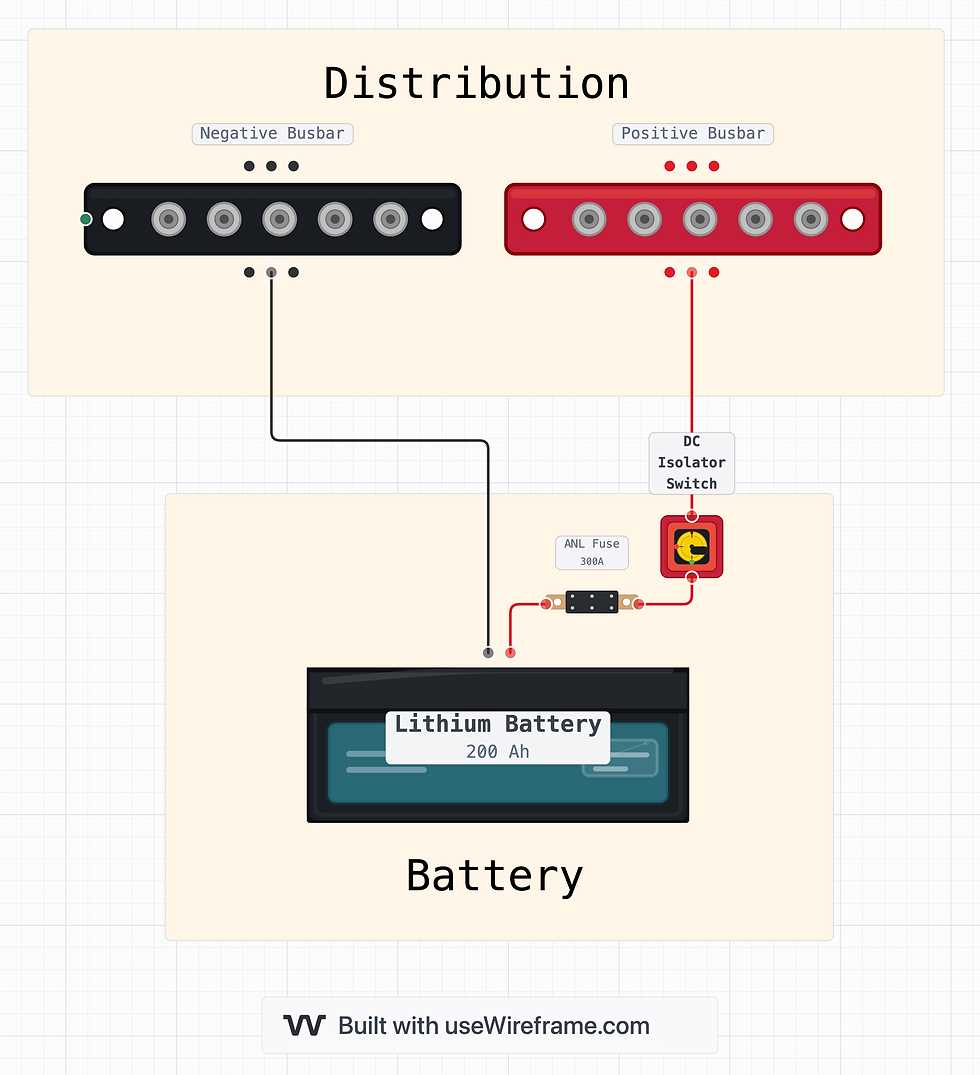
Connect the main battery terminals using appropriately rated copper conductors. For a standard camper system, use 6 AWG for high-current loads and 10 AWG for lighting circuits to maintain voltage stability.
Install a fuse or circuit breaker close to the positive terminal to protect the system from overloads. A 30-amp inline fuse is recommended for a typical auxiliary battery setup, while smaller branches can use 10-15 amp fuses.
Run dedicated lines to each appliance and lighting group. Keep high-current devices like refrigerators and inverters separate from low-current circuits to avoid voltage drops and interference.
Label all connections with permanent tags indicating amperage and destination. Verify polarity with a multimeter before energizing the system to prevent shorts and component damage.
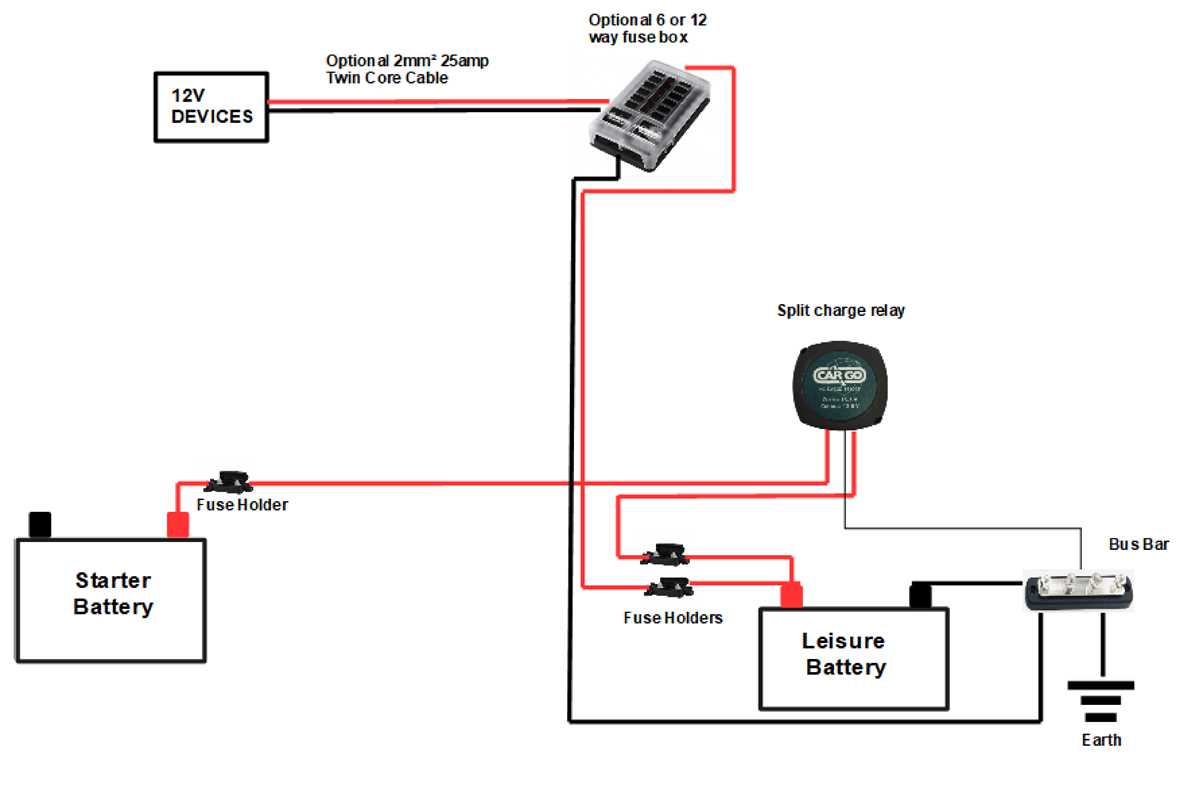
Mobile Power Connections and Layouts
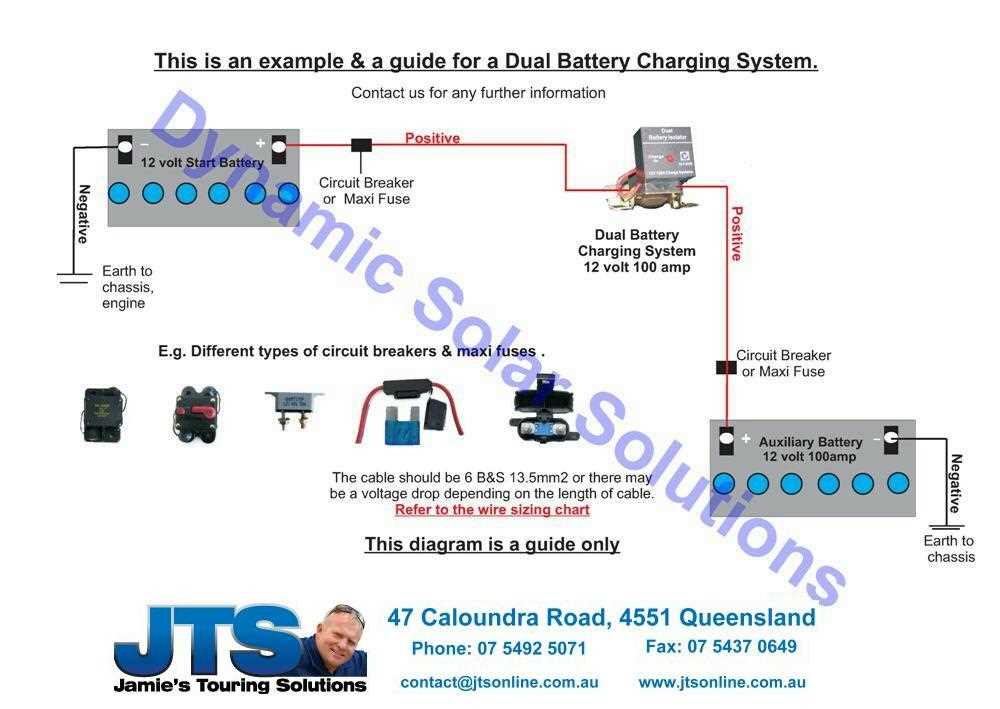
Run main lines from the battery using appropriately rated copper conductors. For high-current loads such as inverters or heaters, 6 AWG is recommended, while 10 AWG is suitable for lighting and small electronics to maintain stable voltage across the system.
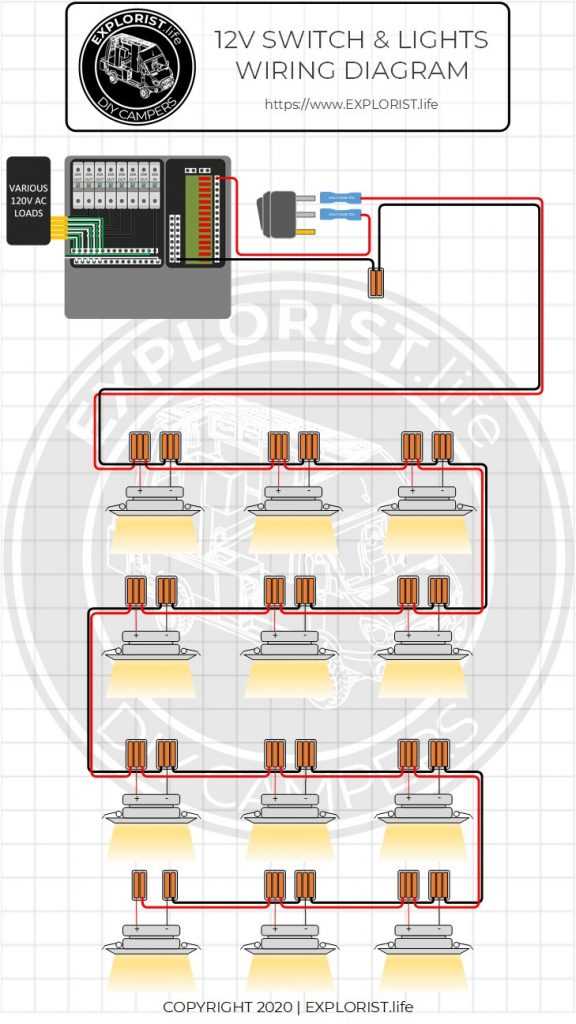
Install fuse blocks or circuit breakers near the battery terminals to protect all downstream devices. Place a 30-amp fuse on the main positive line and use 10-15 amp fuses for smaller branches feeding lights, fans, and USB ports.
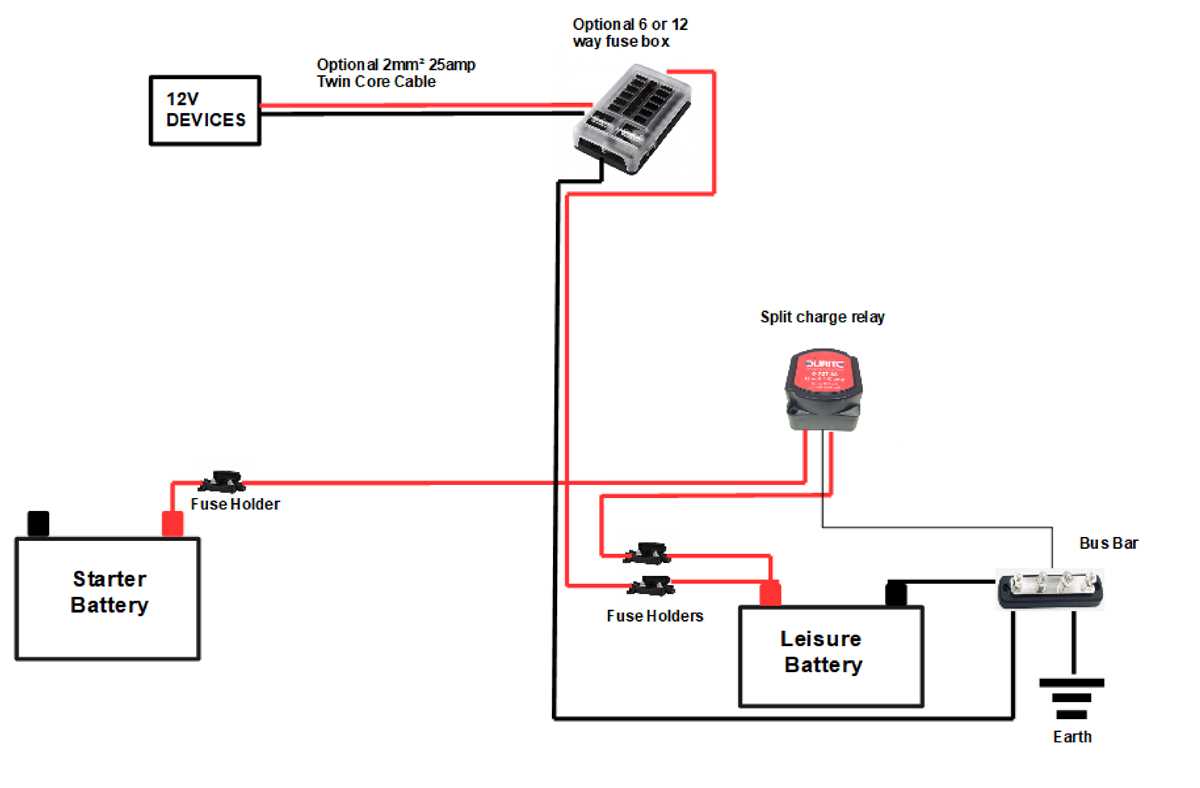
Separate high and low-current branches to prevent interference and voltage drops. Run dedicated lines to heavy loads and use shorter, direct routes for critical appliances like refrigerators and water pumps.
Label all connections and terminals with amperage ratings and destination points. Test polarity with a multimeter before powering the system to avoid short circuits and protect sensitive electronics.
Connecting Battery and Main Power Distribution Safely
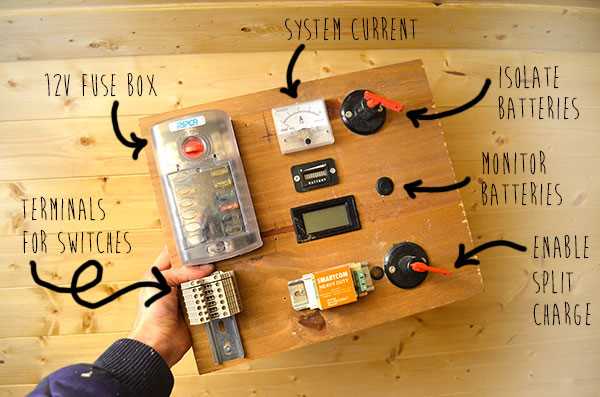
Attach the positive and negative terminals using appropriately rated copper cables. Place a 30-amp fuse or breaker on the main positive line to prevent overloads, and ensure all connections are tight with corrosion-resistant terminals.
Distribute power through a central bus or fuse panel with separate branches for lighting, appliances, and charging ports. Label each line with amperage and destination, keep cables organized to avoid tangling, and verify polarity with a multimeter before activating the system.