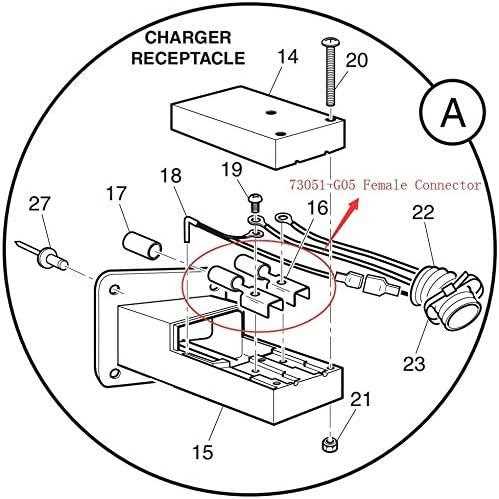
Begin by ensuring that you have a clear understanding of the key connections in the system. The primary components such as the battery, controller, and motor need to be properly linked for optimal performance. Pay attention to the color codes and pin connections to avoid confusion during the setup process.
Make sure that the battery pack is securely connected to the power distribution terminal. This is the starting point for all power flow, and a stable connection here is crucial to prevent electrical failures. Also, check the voltage ratings to confirm that the battery is within the required specifications for your setup.
The next step involves connecting the controller, which serves as the bridge between the battery and the motor. The controller should be connected to both the positive and negative terminals of the battery and the motor terminals. Verify the output power levels to ensure that the motor receives the correct voltage for its operation.
Once the main components are connected, test the system. Begin by checking the connections for any loose or exposed wires. Afterward, power on the system and confirm that the motor responds correctly to throttle inputs. If the system doesn’t power on, double-check the connections for any missed steps or errors.
Regular maintenance is important to keep the system running smoothly. Check the connections periodically for wear and tear. Ensure that the battery is fully charged and test the controller’s response regularly to avoid issues during use. Proper setup and ongoing care will help maintain the system’s longevity and performance.
36 Volt Electrical System Setup
Start by verifying the battery’s voltage and capacity to ensure it meets the system’s requirements. A fully charged battery is critical to ensure the system operates without interruptions. The power input should be connected to the battery’s positive terminal, while the negative terminal should be linked to the ground system for proper circuit completion.
Next, connect the controller to the battery terminals, ensuring that the positive wire from the battery goes to the controller’s positive input. This unit regulates the power sent to the motor based on user inputs. Make sure the controller is securely attached to prevent vibrations from causing loose connections.
After the controller, the motor is the next primary component in the setup. The motor must be wired to both the controller and the battery. Ensure that the motor’s power terminals are correctly connected to the controller’s output, following the polarity indicated in the circuit map. Incorrect connections can lead to performance issues or even damage the motor.
For added safety, install a fuse or circuit breaker between the battery and the motor. This will protect against sudden power surges or electrical faults. Check the fuse rating to ensure it’s suitable for the power specifications of the setup.
Double-check all connections before powering up the system. Loose connections or exposed wires can lead to electrical shorts, which can be hazardous. Secure all wiring with appropriate connectors, and use electrical tape where needed to insulate exposed sections of the wiring.
Once the system is connected, test the motor’s functionality by gradually increasing power through the throttle. Monitor for any signs of malfunction, such as irregular movement or electrical feedback. If there are issues, check the connections again and verify the voltage levels using a multimeter.
Regular maintenance is key to keeping the system in optimal working condition. Inspect the connections every few months, ensuring they remain tight and free of corrosion. Clean the terminals and cables periodically to maintain a good flow of electricity, and always replace damaged or frayed wires immediately to avoid system failures.
Step-by-Step Guide to Wiring the 36 Volt System
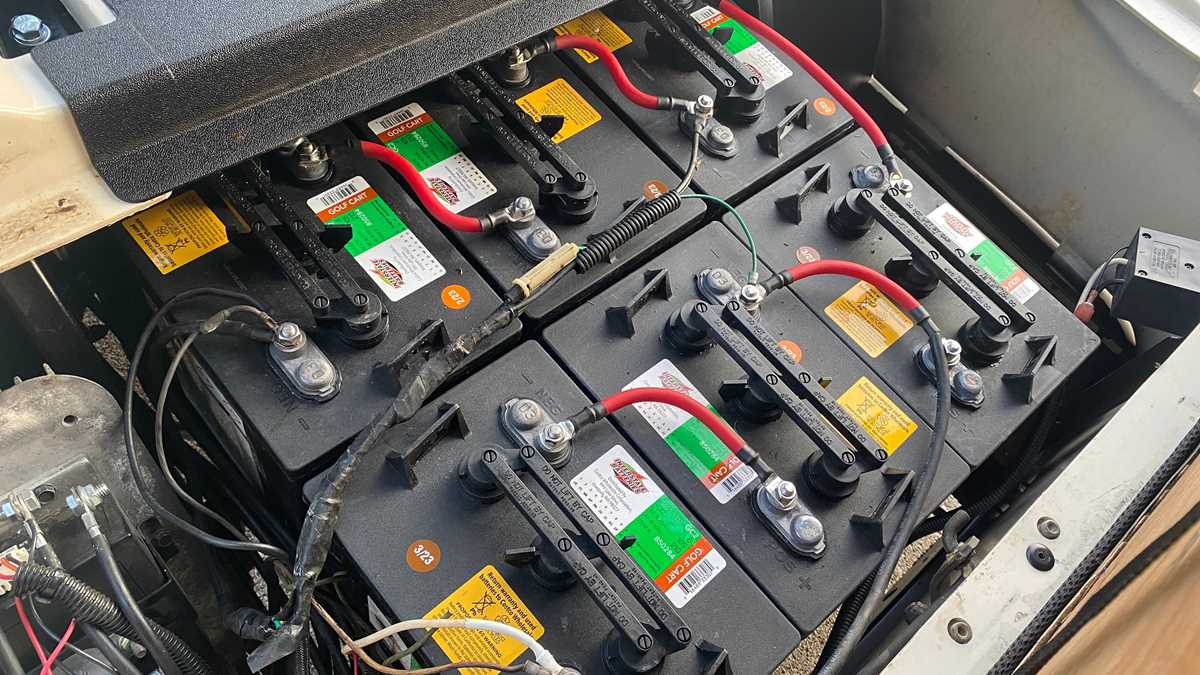
Start by preparing the battery pack and ensuring it is fully charged. Begin with connecting the positive terminal of the battery to the power distribution block. Use high-quality connectors to ensure secure connections and prevent any power loss or arcing.
Next, connect the negative terminal of the battery to the main ground of the system. This completes the electrical loop and ensures that all components receive a stable return path for the current. Proper grounding is crucial to avoid electrical interference or instability.
Now, move on to connecting the motor to the controller. The motor’s input terminals should be connected to the output terminals on the controller. Be sure to match the polarity, as incorrect wiring can lead to motor malfunction or damage. The controller regulates the motor’s speed and power based on the throttle input.
Once the motor is connected, proceed to the charging port. The charging port must be wired to both the battery and the controller, ensuring that the charging voltage is correctly regulated. Make sure that the charger’s wiring is properly insulated and the port is easily accessible for future use.
After all the primary connections are in place, verify the safety components. Install a fuse or circuit breaker between the battery and motor to prevent damage from overcurrent situations. Check the fuse rating to ensure it matches the system’s requirements.
Finally, power on the system and test all functions. Check that the motor responds to throttle input, and inspect for any unusual behavior, such as overheating or irregular movement. If everything works as expected, secure all wiring in place, and ensure that all components are tightly connected to prevent vibrations or damage during operation.