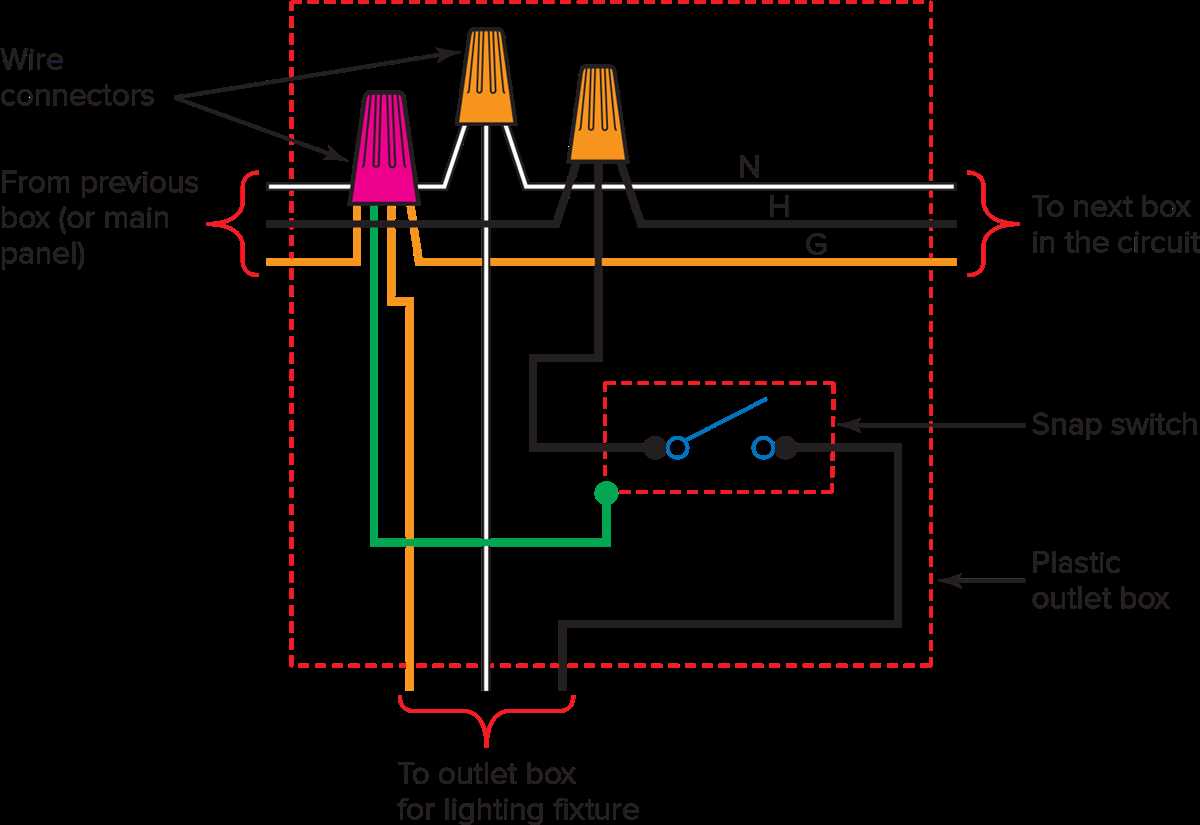
To properly install a power outlet or connect electrical appliances, it is critical to follow a precise method for wiring connections. Start by ensuring all components are rated for the correct voltage to prevent any hazards or electrical damage. Begin by connecting the live and neutral wires to the appropriate terminals on the outlet or device, making sure to tighten the connections securely.
Next, focus on grounding. Ensure that the ground wire is securely attached to the grounding terminal of the outlet or appliance. This provides a safe path for any excess current and prevents potential shocks or fire hazards. Use a multimeter to test continuity and verify that the ground connection is solid before proceeding with any further installations.
Lastly, always check the power supply before finalizing the setup. Confirm that the voltage at the outlet matches the required level, and inspect for any loose or exposed wires that could create a short circuit. Proper testing before use will help ensure safe and stable operation over time.
120V Electrical Setup and Wiring Connections
Ensure all components are rated for the appropriate voltage before proceeding with the installation. Begin by connecting the live wire to the terminal marked “L” and the neutral wire to the terminal marked “N.” These connections are crucial for proper current flow. Tighten the screws securely to avoid loose connections that could lead to short circuits or faulty operation.
Always verify the ground connection by attaching the ground wire to the designated ground terminal. This provides an important safety feature, ensuring that excess electricity can safely be diverted to the ground in case of faults. It is highly recommended to use a dedicated ground path, especially for appliances with high power consumption.
Test the circuit using a multimeter to ensure the correct voltage is supplied. This step ensures that all connections are accurate and that no shorts or open circuits exist. Pay special attention to the polarity of connections and confirm that the live and neutral wires are correctly assigned to avoid wiring errors.
Finally, check the overall installation before powering up. Inspect all connections for tightness and security, and ensure that no wires are exposed or at risk of touching other conductive materials. Properly secured and insulated wires help prevent potential electrical hazards in the future.
Step-by-Step Instructions for Wiring a 120V Outlet
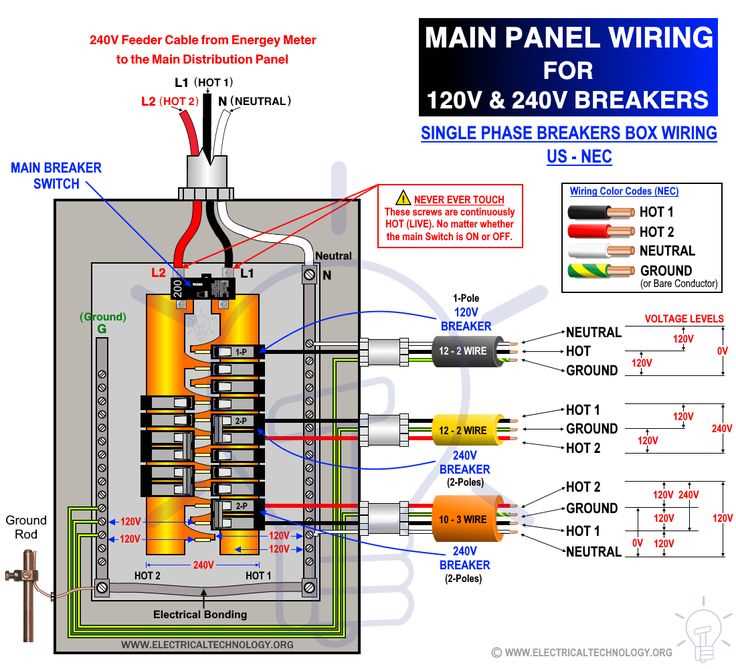
Begin by ensuring the power is turned off at the breaker panel to avoid any electrical shock. Use a voltage tester to confirm that the circuit is de-energized. Once confirmed, remove the old outlet cover and unscrew the existing outlet from the electrical box.
Next, connect the live (black) wire to the brass screw terminal on the outlet, and the neutral (white) wire to the silver screw terminal. The ground wire should be attached to the green screw or grounding terminal. Make sure to tighten the screws securely to prevent loose connections.
After the connections are made, push the outlet back into the box, ensuring that no wires are pinched or exposed. Attach the outlet to the box with the screws provided. Finally, replace the cover plate, turn the power back on at the breaker, and test the outlet with a voltage tester or a plugged-in device to ensure proper function.