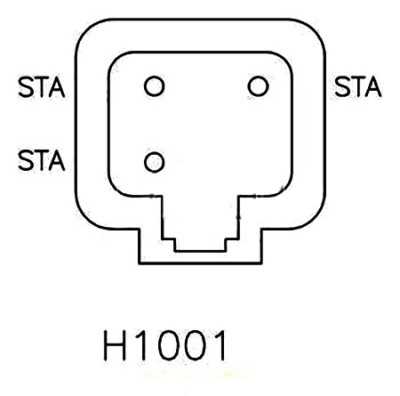
Connect the two stator leads directly to the charging control unit before attaching the battery output line. Most V-twin charging systems use a permanent-magnet alternator that produces alternating current through two yellow wires from the stator assembly. These wires feed the rectifier module mounted near the frame downtube, where AC power converts into DC suitable for battery charging.
The control module also limits the electrical level reaching the battery. On many large American cruiser motorcycles, the charging output during operation at 3000 rpm should measure around 14.2–14.6 volts across the battery terminals. If the level climbs above this range, the battery overheats and loses electrolyte. If the level stays below roughly 13 volts during riding, the battery gradually discharges.
Ground connection quality strongly affects charging stability. The control unit usually grounds through its metal case or a dedicated black wire connected to the frame. Rust, paint, or loose mounting bolts increase resistance and cause unstable charging levels. Cleaning the contact surface and tightening mounting hardware reduces electrical loss between the module and chassis.
Follow the charging path step by step: stator leads deliver alternating current to the rectifier module, the rectified output travels through a red wire to the battery positive terminal, and the frame serves as the negative return path. Understanding this flow helps identify faults such as burned connectors, damaged stator coils, or a failed control module.
Harley Voltage Regulator Wiring Diagram With Stator Battery and Ground Connections
Attach the two stator leads to the rectifier control unit before connecting the battery output line. The stator assembly inside the engine cover generates alternating current while the engine runs. Two identical wires carry this AC power to the rectifier module mounted on the frame. The module converts alternating current into direct current and limits the electrical level reaching the battery.
The charging flow follows a clear path across the motorcycle electrical system. Correct connection order prevents overheating and unstable charging.
- Two stator wires deliver AC power to the rectifier module
- The rectifier output wire connects to the battery positive terminal
- The frame acts as the negative return path
- The control module body or black lead connects to chassis ground
Normal charging output during operation usually reaches about 14.2 to 14.6 volts across the battery at roughly 3000 rpm. If the level drops below 13 volts during riding, the battery slowly discharges. A reading above 15 volts often indicates a faulty control module or poor grounding.
Inspect connector condition along the entire charging path. Heat from the engine area may discolor the stator plug, and loose terminals increase resistance. Cleaning the contacts, tightening terminals, and verifying the ground point on the frame help maintain stable charging performance on large V-twin motorcycles.
Connecting Stator Leads to the Harley Charging Control Unit and Rectifier Terminals
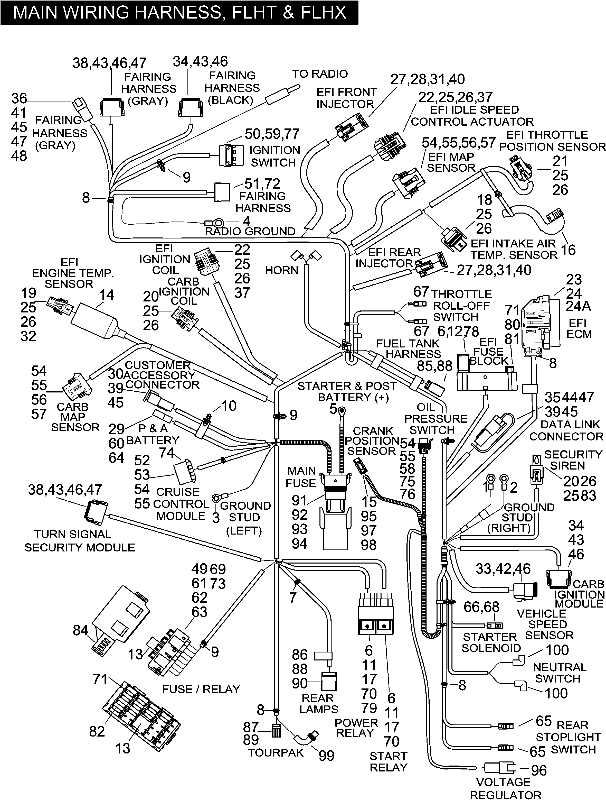
Attach the two stator output leads directly to the AC input terminals of the rectifier control module. These wires usually exit the engine case near the primary cover and carry alternating current generated by the rotating magnet assembly. The pair often uses identical yellow insulation and connects through a two-pin plug that feeds the rectifier section.
Polarity does not apply to the stator pair because the generator produces alternating current. Either lead can connect to either AC input terminal on the rectifier module. The only requirement is a clean, tight connector that prevents heat buildup caused by resistance at the contact points.
Inspect the connector before attaching the leads. Discoloration, melted plastic, or loose terminals indicate overheating from high current flow. A stator on a large V-twin engine may produce more than 30 to 40 amps at higher engine speed, so poor contact rapidly raises temperature and damages the plug.
Route the stator leads away from hot exhaust components and sharp frame edges. Secure the cable with clips along the frame so vibration does not stress the connector. Constant movement of the cable may break internal copper strands and reduce charging output.
After the stator pair reaches the rectifier module, the rectified DC output travels through a red wire toward the battery positive terminal while the chassis acts as the negative return path. Verifying these connections with a multimeter while the engine runs helps confirm that the charging system supplies stable power to the battery and electrical accessories.