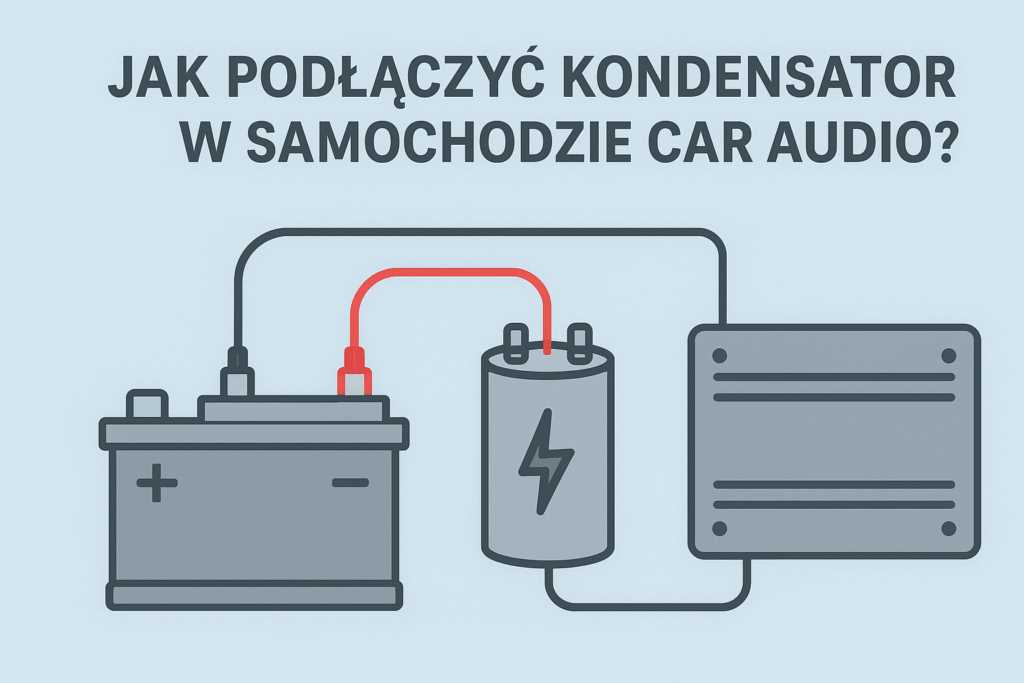
Connect a high-capacity energy storage unit directly to the main power source to stabilize voltage during peak demand from subwoofers and amplifiers. Ensure that the positive lead includes a properly rated fuse within 12 inches of the battery terminal to prevent shorts and safeguard the system.
Use thick-gauge cables matched to the amp’s draw to minimize voltage drop. For example, a 2-ohm setup requiring 1000 watts may need 0 or 1-gauge wire to maintain consistent performance without overheating.
Place the buffer close to the amplifier to reduce resistance in the circuit and improve transient response. Mount it on a solid, vibration-resistant surface and secure all terminals tightly to prevent loose connections under heavy bass loads.
Grounding is critical: connect the negative terminal to a clean, unpainted metal point on the chassis. A dedicated grounding wire of equal or greater thickness than the power lead ensures minimal interference and stable operation of the sound system.
Check voltage after installation under load to confirm the energy reserve is functioning correctly. A small drop under heavy bass signals is normal, but persistent dips indicate insufficient wiring or a weak storage unit that may require upgrading.
Wiring Layout for Vehicle Sound Energy Storage
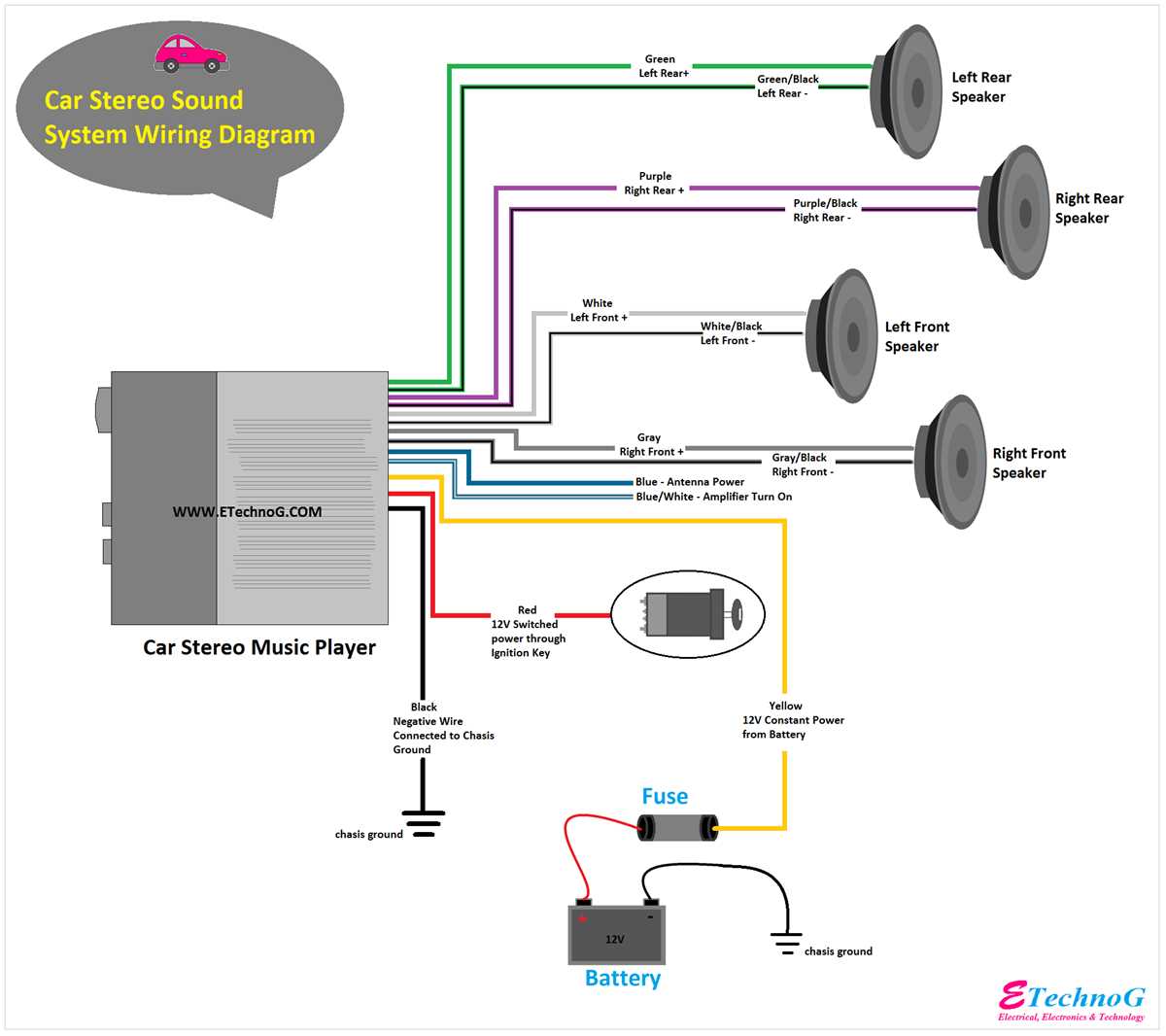
Connect the positive terminal of the energy reservoir directly to the main amplifier input using a 4-gauge or thicker cable. Ensure a 60A fuse is installed within 12 inches of the battery to prevent surges. The negative lead must attach to a clean, unpainted metal section of the chassis for optimal grounding.
For multiple amplifiers, use a distribution block to split the high-current line evenly. Avoid running long wires alongside signal cables to reduce interference. Secure all connections with ring terminals and tighten bolts to 10–12 lb-ft torque to maintain consistent conductivity.
- Check polarity before powering up; reversing connections can damage both the storage unit and amplifiers.
- Keep leads short, ideally under 3 feet, to minimize voltage drop during peak loads.
- Periodic inspection of terminals prevents corrosion, which can cause subtle power loss and buzzing noises.
Choosing the Right Capacitor Size for Your Amplifier
For an amplifier rated at 500 watts RMS, select an energy storage unit with at least 1 farad per 1,000 watts of total system power. This ratio stabilizes voltage drops during heavy bass hits and reduces strain on the alternator.
Smaller amplifiers around 200–300 watts require only 0.5 farads, while high-power setups exceeding 1,500 watts may need 2–3 farads to maintain consistent output without distortion or dimming interior lights.
Voltage tolerance matters: ensure the unit matches or exceeds your system’s supply. A 12-volt system typically pairs with a 16-volt-rated device to handle peak surges safely.
Check the quality of the terminals and internal build. Low ESR designs allow rapid charge and discharge cycles, preventing voltage sags when multiple subwoofers trigger simultaneously.
Physical placement affects performance. Install as close to the amplifier as possible to minimize resistance and inductive losses, keeping cable lengths short and gauge thick enough to carry high currents.
Overestimating size slightly is safer than underestimating. A 1.5-farad unit for a 1,200-watt system gives a margin that reduces stress on the alternator and improves transient response.
Monitor system behavior after installation. If LEDs dim or output fluctuates under heavy bass, consider adding another storage unit in parallel rather than replacing the original with a significantly larger one, which may strain the charging system.