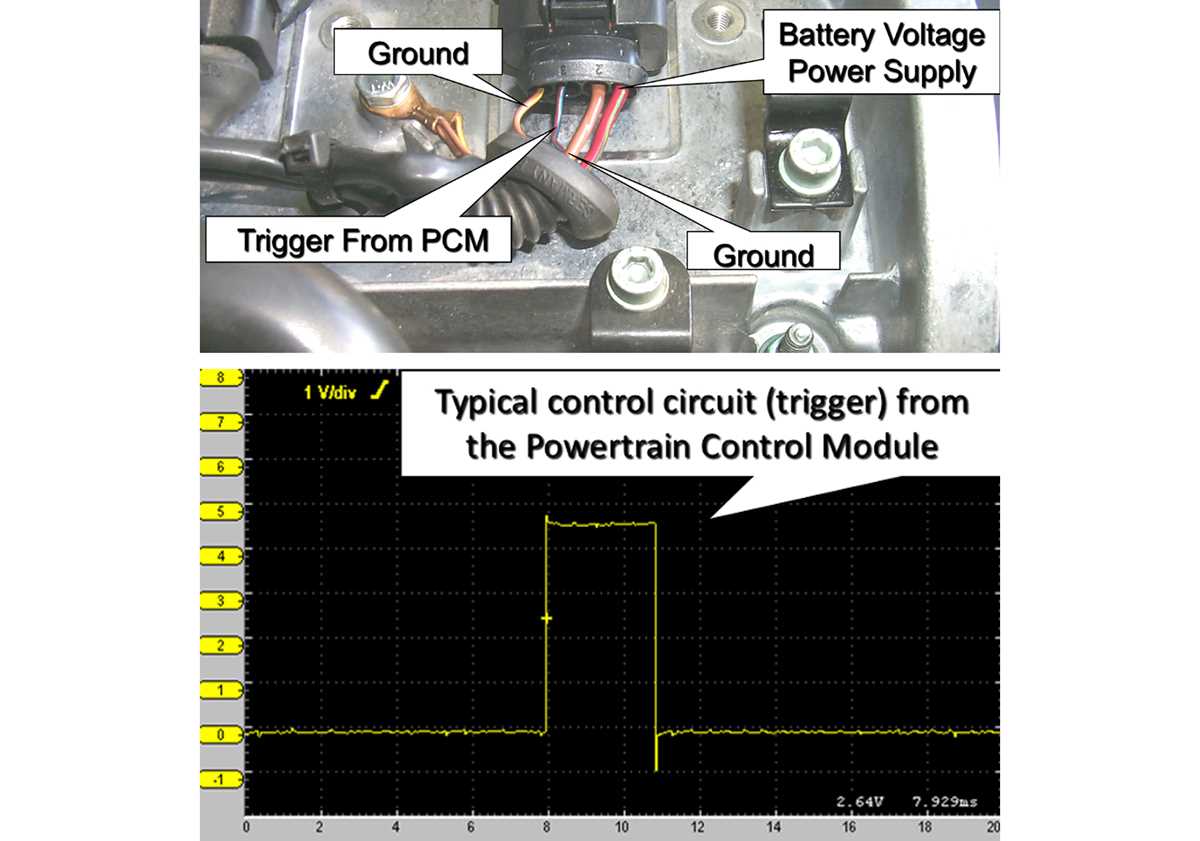
Match each coil output to the correct cylinder terminal to prevent misfires. On this engine, the firing sequence alternates between front and rear banks to balance combustion and reduce vibration.
Label all leads before removal or replacement. This simplifies reconnection and avoids cross-connecting which can cause rough idling or engine hesitation.
Check resistance in each high-voltage lead. Values above manufacturer specifications indicate wear or internal damage, which can lead to weak ignition and poor performance.
Install each ignition wire firmly with full engagement at both coil and cylinder ends. Loose connections can produce arcing, reducing energy delivered to the combustion chamber.
Use a sequence reference chart while reassembling the system. Recording voltage drops across each terminal helps identify potential timing issues and ensures consistent engine operation.
Engine Cylinder Connections and Coil Lead Placement
Connect each coil output to its corresponding cylinder terminal using manufacturer-specified leads. Misaligned connections can cause misfires, uneven idling, and reduced fuel efficiency. Always confirm the sequence before energizing the system.
Inspect each conductor for cracks, corrosion, or excessive resistance. Replace any damaged lines to maintain consistent energy delivery to the combustion chamber. Use a digital ohmmeter to verify resistance values within the recommended range.
- Route leads away from exhaust components to prevent heat damage.
- Use insulated clamps or brackets to secure lines and prevent vibration wear.
- Double-check polarity and connection points at coil packs and cylinder terminals.
Test ignition performance after installation using a timing light or engine analyzer. Observe cylinder response for signs of weak energy transfer or skipped pulses. Adjust connections or replace faulty leads as needed to restore smooth operation.
Identifying Cylinder Positions and Numbering
Locate the front of the engine as the reference point. Cylinders on the passenger side are numbered odd, starting with 1 at the front, while the driver side uses even numbers, starting with 2.
Mark each cylinder with tape or a temporary label during maintenance to prevent confusion. Clear identification avoids cross-connections when reinstalling ignition components or performing valve adjustments.
Check the service manual for specific bank layout. Some models have staggered heads or offset intake manifolds that shift numbering positions slightly, affecting coil placement.
Use a compression tester to verify cylinder activity. Applying pressure sequentially confirms which cylinder corresponds to each numbered terminal on the coil assembly.
- Front bank odd numbers: 1, 3, 5, 7 from front to rear.
- Rear bank even numbers: 2, 4, 6, 8 from front to rear.
- Keep a small notebook of cylinder positions for troubleshooting or future maintenance.
Trace injector connections to the corresponding cylinder to cross-check numbering. Each injector leads directly to its cylinder; discrepancies indicate numbering errors or previous repairs that altered connections.
Label coil packs during disassembly to maintain alignment with cylinder numbering. This prevents misfiring and uneven combustion after reinstallation.
Confirm numbering visually and with electrical testing before reassembly. A misidentified cylinder can cause backfiring, poor idle, or rough acceleration, so verification at this stage ensures reliable engine operation.