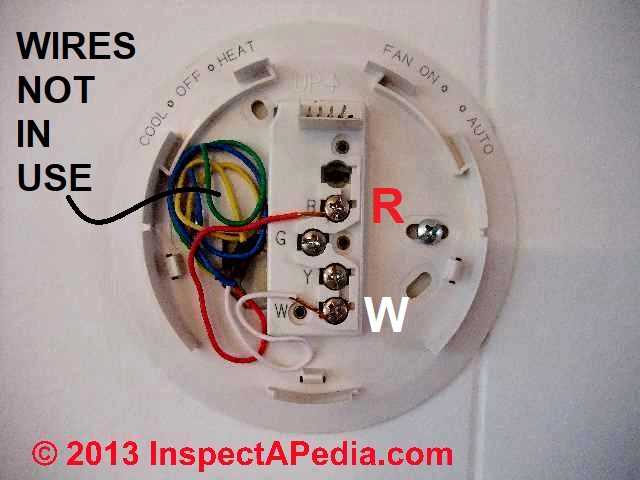
Before connecting any cables, examine the terminal markings on your device. They indicate the specific connections for heating, cooling, and power. Each terminal plays a critical role in ensuring proper functionality. For instance, the R terminal is used for the 24V power input, while W is designated for heating control. Proper identification prevents common mistakes during installation.
Next, focus on ensuring that each wire is correctly placed in the corresponding terminal. The C terminal, often used for the common wire, is crucial for completing the electrical circuit. If you are using a smart control system, check that your setup is compatible with the system’s specific wiring requirements to avoid malfunction.
Lastly, verify your connections before turning on the system. Incorrect installation could lead to malfunctioning or damage. If you notice any inconsistencies with the power or response time after activation, review the connections carefully, making sure they align with the recommended configurations.
Correct Wiring of a Climate Control Unit
Begin by examining the terminals marked with clear labels such as R, C, and W. These are typically the most important connections in a system, where R provides power from the transformer, and C acts as the common wire. Without correctly identifying these, your connections could lead to faulty operation or even damage the unit.
Proper Connection of Control Wires
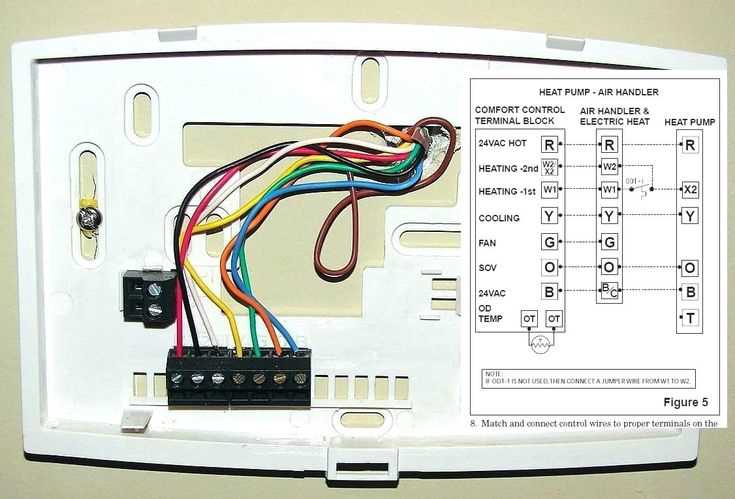
For precise control, connect the correct wires to the corresponding terminals: Y connects to cooling systems, while W is for heating. Check whether your unit requires an additional jumper between R and C to complete the loop if using a specific type of control. Always ensure that all connections are tight to avoid loose wiring, which could cause intermittent performance.
How to Identify the Terminals on a Climate Control Unit
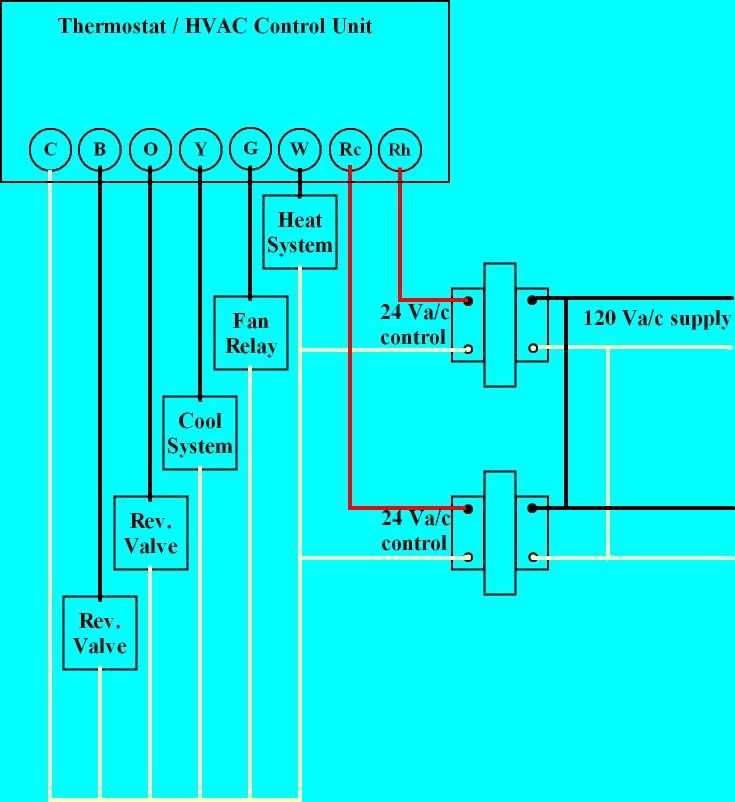
The first step is to locate the terminal labels on the control panel. Commonly, these are clearly marked with letters such as R, C, W, and Y. Each of these corresponds to a specific function, and correct identification is critical for proper setup. Start by identifying the power input terminal, typically labeled R (sometimes RH or RC), which provides the 24V power supply to the system.
Power and Common Terminals
The R terminal provides the 24V power supply, while the C terminal serves as the common wire, completing the electrical circuit. These two terminals are essential for powering the unit and ensuring a stable connection. If you are using a smart control system, the C terminal may be particularly important for keeping the system powered when the unit is not actively in use.
Control Terminals for Heating and Cooling
The W terminal is used for controlling heating, while Y is used for cooling systems. When connecting a furnace or air conditioning unit, it’s important to connect the appropriate wire to these terminals to ensure the system activates as expected. Double-check the color coding of the wires to avoid errors, as red typically corresponds to power, white to heating, and yellow to cooling.
Finally, always verify that the wires are securely fastened to their corresponding terminals to prevent issues like intermittent connections or malfunctioning. If you’re unsure, refer to the unit’s manual or manufacturer’s guidelines to ensure all connections are correct for the specific model. A properly configured system ensures reliable operation and can help avoid costly repairs down the line.