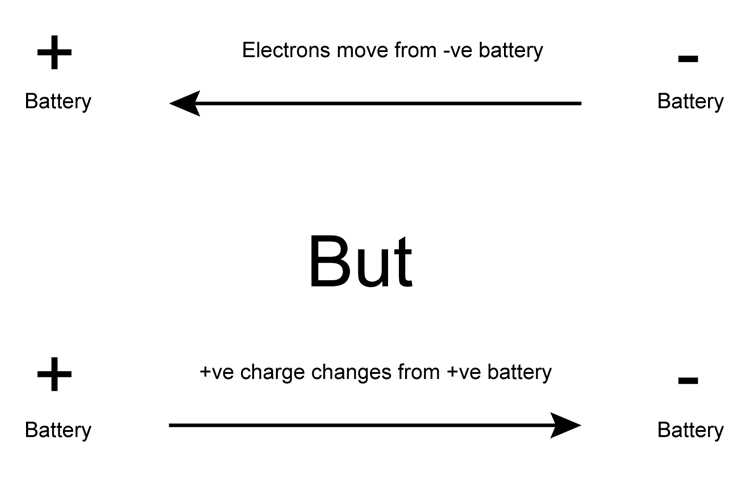
The conventional direction of electron movement in a diagram is from the negative terminal to the positive one, but this is often reversed in practical application. When working with electronic schematics, it’s crucial to follow the traditional current direction from positive to negative, as most components are designed to operate under these assumptions. This method of representation can sometimes confuse beginners, especially when considering that actual electrons move in the opposite direction.
To interpret any schematic correctly, always keep in mind that the flow shown represents the direction of positive charge movement, not the actual flow of electrons. Most diagrams will follow this convention unless specifically stated otherwise. In components like resistors, capacitors, and inductors, the symbols used should make it clear how to trace the path and identify polarity, ensuring proper functionality when you build or troubleshoot the system.
Which Way Does Current Flow in a Circuit Diagram
The direction represented in most electrical drawings shows the movement of positive charge from the positive terminal of a power source to the negative terminal. This is the conventional flow of electricity, which is used universally in schematics, regardless of the actual electron movement. Electrons themselves, being negatively charged, flow in the opposite direction, but this is not typically represented in standard symbols or wiring layouts.
It is important to remember that circuit diagrams generally follow this conventional current flow from positive to negative, even though actual electron movement occurs from negative to positive. This distinction is crucial when studying or designing systems, as most calculations and component behavior are based on this traditional approach. Make sure to follow the diagram conventions when troubleshooting or assembling your project to avoid confusion.
For devices like diodes, transistors, and LEDs, understanding the flow direction is especially important, as the correct polarity is needed for proper operation. In a diode, for example, the positive terminal of the power source must connect to the anode to allow current to pass through the device. Reversing the polarity can prevent the device from functioning or even damage it permanently. Therefore, checking the flow in the diagram ensures that these components are connected correctly.
The current direction is also influenced by how components are placed within the circuit. For example, in a series configuration, the flow path will be straightforward, while in parallel arrangements, the flow can branch out and follow multiple paths. Make sure to trace each path carefully when analyzing a schematic to understand the potential impact on voltage and resistance across various components.
When interpreting circuit diagrams for troubleshooting, understanding the flow of electricity helps identify potential short circuits, improper connections, or incorrect component placement. Incorrect flow paths can cause the entire system to malfunction, so follow the directional symbols and verify connections at every stage of the design or repair process.
In complex schematics, flow direction can sometimes be indicated with arrows or other markers to clarify the movement of charge. These are especially helpful in systems with alternating current (AC), where the direction reverses periodically. Understanding these markings will help you correctly visualize how power is distributed across the entire system and ensure all components receive the required voltage and current for proper operation.
Understanding Conventional Current vs Electron Flow
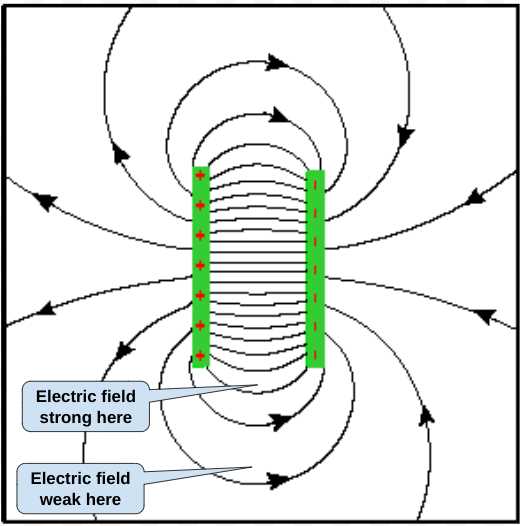
In most electrical designs, the flow of electricity is represented using conventional current. This assumes that positive charge carriers move from the positive terminal to the negative terminal of the power supply. Despite electrons actually being the charge carriers, they move in the opposite direction– from the negative terminal to the positive. It’s important to grasp this distinction because it can affect how you interpret schematics and troubleshoot systems.
Conventional current was adopted historically when the nature of electrical charge carriers was not fully understood. The decision to assume positive charge carriers allowed for easier mathematical modeling and uniform understanding across the scientific community. Today, while we know that electrons are the primary carriers, conventional current remains the standard for most diagrams and calculations.
Electron Movement vs Conventional Current in Components
In devices such as resistors or capacitors, conventional current flows from the positive side of the power supply toward the negative side. However, when considering the physical behavior of the electrons, they move in the opposite direction, from negative to positive. For example, in a simple resistor, the electrons enter the negative side and flow toward the positive terminal, but the conventional current is still drawn from the positive to the negative.
Despite the electron flow being opposite to conventional current, there is no difference in how these systems function in practical terms. When designing or analyzing systems, sticking with the conventional model makes it easier to follow standard practices and ensures compatibility with most resources, including textbooks, technical guides, and tools.
When it comes to troubleshooting, understanding this distinction can help clarify certain issues. For example, when diagnosing a malfunction in a diode or transistor, understanding the direction of both conventional and electron current can ensure you correctly identify any polarity issues or component failure modes. Diodes, for instance, only allow current to pass in one direction, based on the alignment of their positive and negative terminals.
Why Conventional Current Remains the Standard
Even with the knowledge that electron movement is in the opposite direction, conventional current continues to be used because it simplifies the understanding of complex circuits. When you follow conventional current, the voltage, resistance, and power calculations remain consistent across designs. This standardization has made it easier for engineers, students, and hobbyists to understand and create electrical systems.
Ultimately, while the electron flow direction might seem counterintuitive, adopting conventional current as the norm has streamlined much of the work in electrical engineering. As long as you remember the distinction, it will be easy to adapt your understanding for practical use without needing to rethink established conventions.