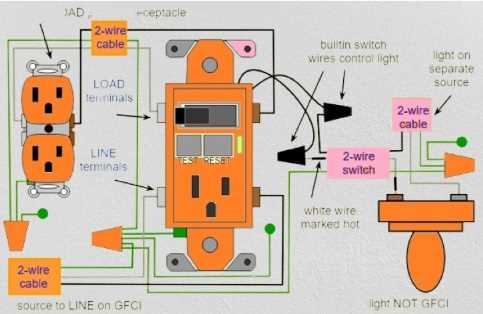
Connect the hot and neutral conductors directly to the designated input terminals while ensuring the ground is firmly attached to the green screw. This maintains proper trip functionality and prevents shock hazards.
Verify the load terminals are used only for downstream receptacles to extend protection correctly. Incorrect attachment can bypass internal safety features and expose connected devices to electrical faults.
Test the reset and trip buttons after every connection to confirm proper operation. A working test ensures that any imbalance between live and neutral currents will trigger a shutdown instantly, protecting users from shocks.
Mark all line and load conductors clearly to avoid confusion during future maintenance. Accurate labeling prevents accidental cross-connection that could render protection ineffective or damage connected equipment.
Use insulated tools and verify power is off at the breaker before making adjustments. Even momentary contact with live terminals can cause injury or arc damage inside the receptacle enclosure.
Inspect wire sizes to match terminal ratings and avoid overloading connections. Conductors smaller than the terminal rating can heat excessively, while oversized wires may prevent proper clamping, reducing the reliability of protection.
GFCI Receptacle Connection Guide
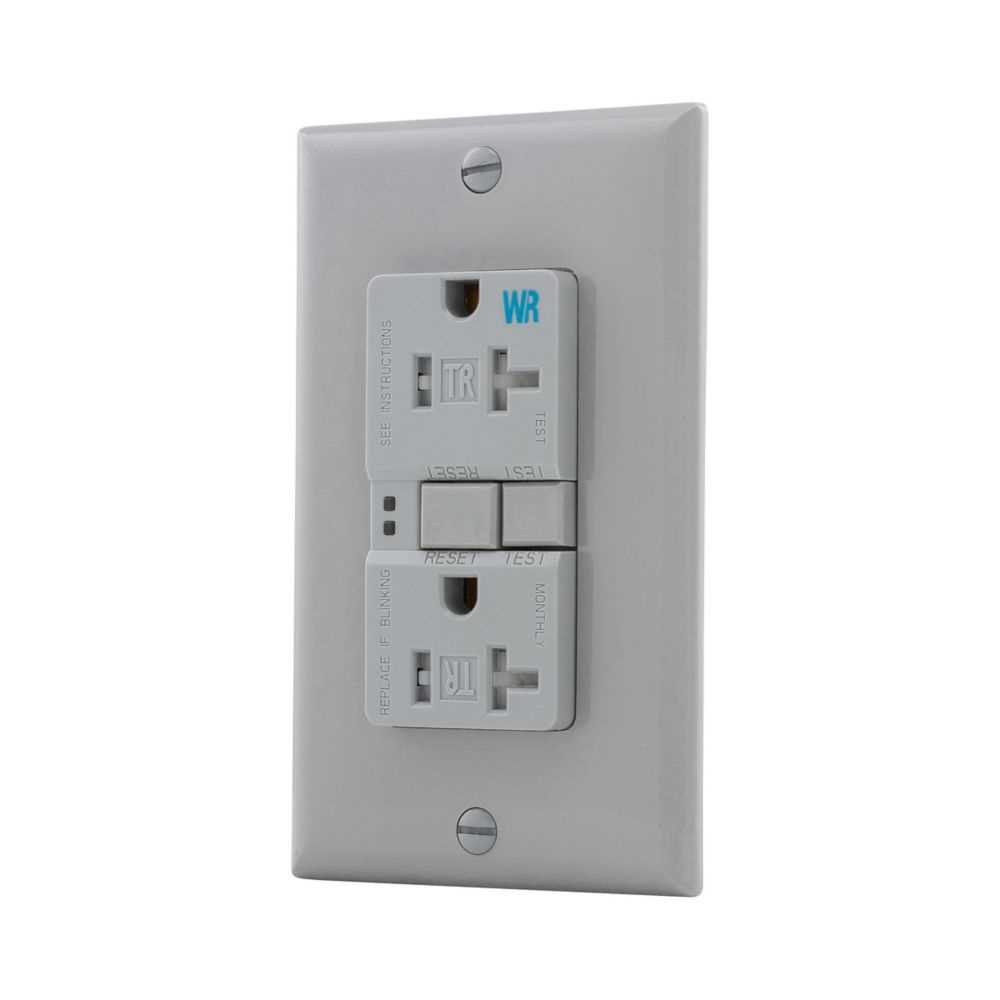
Attach the incoming hot conductor to the line terminal marked with brass screws and the neutral to the silver screws. This ensures the device can detect current leakage accurately and trip when needed.
Secure the grounding wire to the green screw before connecting any other conductors. A reliable ground path prevents electric shock and allows the receptacle to operate safely under fault conditions.
Identify downstream terminals carefully and use them only for extending protection to additional receptacles. Connecting upstream or crossing lines can compromise trip functionality and reduce safety.
Check all screw connections for tightness to avoid arcing or overheating. Loose terminations can cause intermittent tripping or permanent damage to the internal mechanism over time.
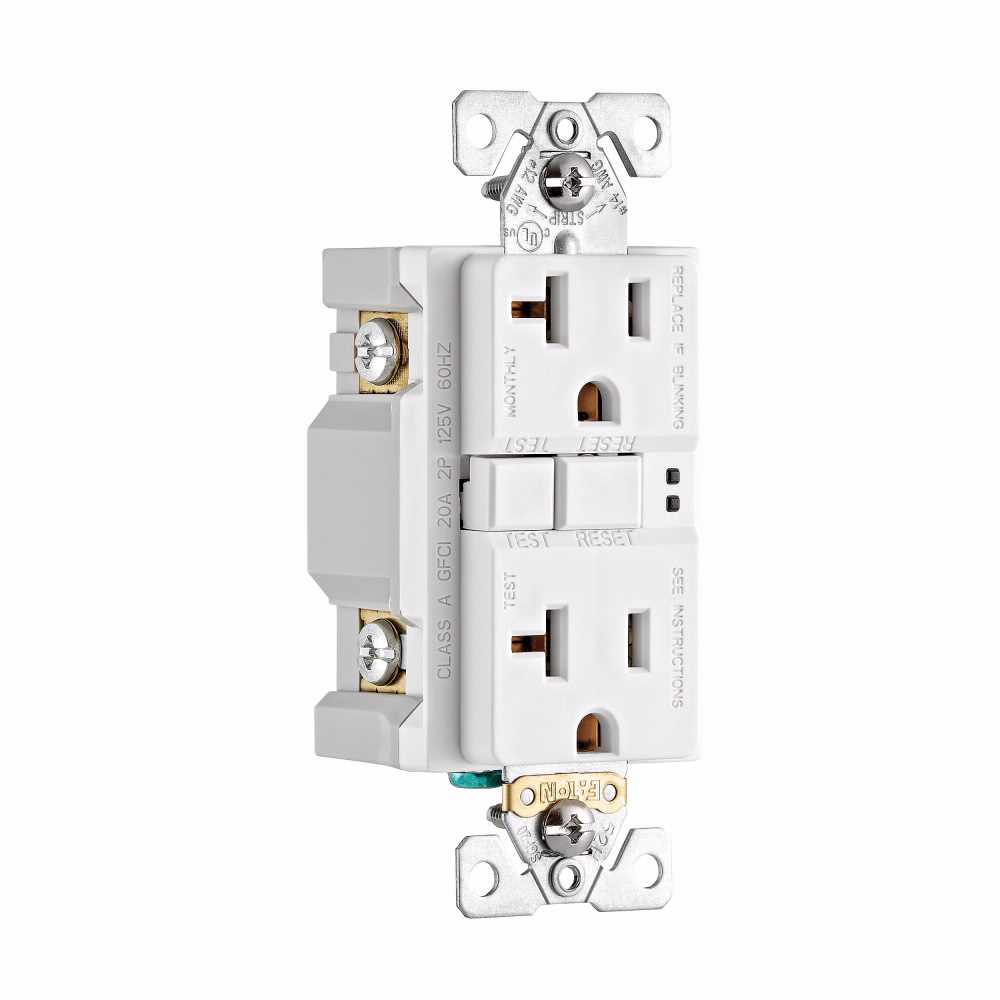
Test the built-in reset and trip mechanisms after installation. Pressing the test button should immediately cut off power, and the reset should restore normal operation, confirming proper installation.
Label all line and load conductors clearly inside the junction box. Accurate marking prevents confusion during future maintenance and ensures that protective features remain fully operational without accidental misconnection.
Identifying Line and Load Terminals
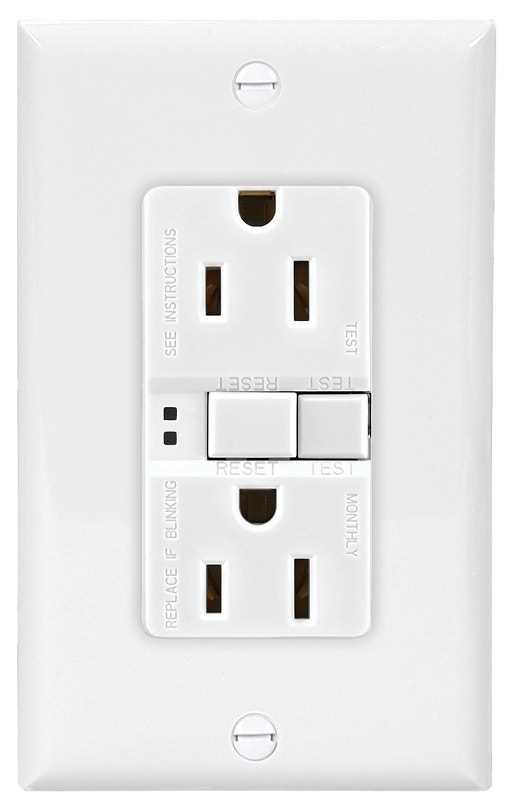
Connect the incoming power conductors to the terminals labeled for line. These are usually marked on the back of the receptacle and are designed to receive constant voltage. Proper identification ensures the device can monitor current flow accurately and trip when leakage is detected.
Use the load terminals exclusively for extending protection to downstream devices. Misconnecting these can prevent the protective mechanism from functioning correctly. Always verify connections with a voltage tester before completing the installation to maintain safety and proper operation.