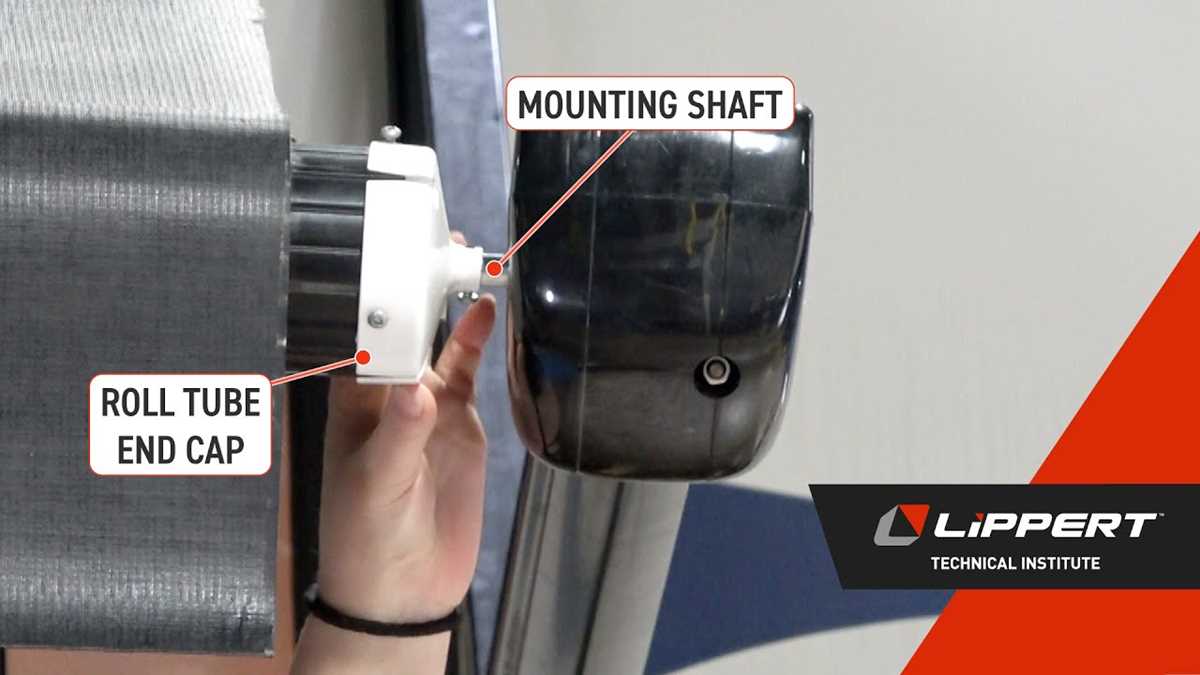
To ensure optimal performance and longevity of your outdoor shade system, it is important to understand the key components that make up the framework. First, identify the main assembly parts, such as the support arms, brackets, and mounting hardware. These elements are crucial for maintaining stability and ease of use when extending or retracting the system.
Next, inspect the motor and electrical components, which control the deployment mechanism. If there is an issue with the system not operating smoothly, it could be due to malfunctioning wiring or a worn-out motor. Identifying these issues early can help prevent costly repairs down the line.
Regularly check the fabric and tension springs for wear and tear. The material can stretch or tear over time, affecting the overall efficiency and appearance of the system. Replacing the fabric and ensuring the springs are adequately tensioned will restore functionality and maintain the system’s durability.
Shade System Components Breakdown and Repair Guide
Inspect the main support frame for any bent or loose brackets. Over time, the weight and tension from the canvas can cause the frame to shift, potentially leading to misalignment. Tighten any loose bolts and replace any bent components to restore stability.
Check the tensioning mechanism, which is critical for proper fabric extension. If the fabric fails to stretch evenly or gets stuck, it’s likely due to worn-out springs or broken tension rods. Replace these parts to maintain proper operation and prevent damage to the fabric.
Examine the motor and control components. If the mechanism doesn’t respond to the remote or switch, it could be a wiring issue, a malfunctioning motor, or a problem with the remote’s batteries. Test the motor using the manual override and replace any faulty electrical components to restore functionality.
Inspect the fabric for wear or tears. This part may degrade after prolonged exposure to sun, wind, and rain. Small rips can often be patched, but extensive damage might require replacing the entire covering to ensure adequate shade and protection.
Identifying and Replacing Common System Components
To ensure smooth operation, regularly inspect the primary structural components for any damage or wear. The support arms, which hold the system in place, can weaken over time and may need tightening or replacement if bent.
The fabric tensioning system is a common issue in systems where the material is stretched and rolled up frequently. If you notice uneven fabric movement or the system struggling to retract, it’s likely the tension springs need to be replaced. Here’s how to check:
- Unroll the fabric fully to expose the springs.
- Check for signs of rust, wear, or breakage on the springs.
- If damaged, replace the springs with the correct size and strength for your unit.
The motor assembly is a key part that can fail over time, particularly if the system isn’t maintained or cleaned properly. If the motor stops responding or makes unusual noises, check the following:
- Inspect the electrical connections for signs of wear or loose wiring.
- If the motor does not respond, check the battery and replace it if necessary.
- If the motor continues to malfunction, consult the manufacturer for a replacement unit.
The fabric can also wear out due to prolonged exposure to sunlight or harsh weather. Inspect the material regularly for rips or fading. If repairs aren’t possible, consider replacing the entire fabric to ensure maximum functionality.
Step-by-Step Guide to Installation and Assembly
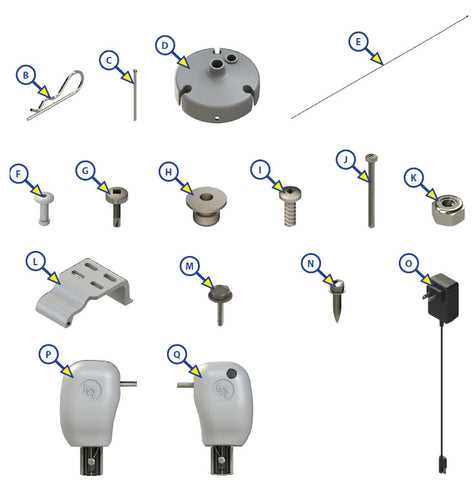
Begin by assembling all the necessary components: the frame, fabric, hardware, and any mounting brackets. Ensure you have the correct tools, including a drill, screwdriver, level, and wrench.
Start by attaching the mounting brackets to the structure. Measure the desired height to ensure the installation is level and secure. Using a drill, fasten the brackets into place with appropriate screws or bolts.
Next, install the frame onto the mounted brackets. This step may require assistance due to the size and weight of the frame. Carefully align the frame with the brackets and secure it using bolts. Tighten them until firm, but avoid over-tightening.
Once the frame is installed, proceed to attach the fabric. Align the fabric with the frame’s guide system, ensuring it’s stretched evenly across the structure. Secure the fabric to the frame using the designated fasteners or clips, making sure it is taut but not overly stretched.
Next, check the tension system. Attach the springs or adjust the tension mechanism as needed to ensure the fabric rolls smoothly and evenly. Test the movement by manually retracting and extending the structure to ensure proper tension.
Lastly, connect the electrical components if applicable, following the manufacturer’s instructions for wiring. Check for any loose connections and ensure all components are operating correctly. Test the motor (if installed) to verify that the system functions smoothly.
How to Troubleshoot and Fix Awning Issues
If the system isn’t retracting or extending properly, first check the power source and ensure that the motor is receiving power. Inspect the electrical connections for any loose wires or damaged components. If the power source is fine, check the tension spring mechanism for any signs of damage or misalignment.
If the fabric isn’t rolling evenly, inspect the guide rails for any obstructions or debris. Clear the tracks and make sure the fabric is securely attached to the rollers. Adjust the fabric’s tension to ensure it rolls smoothly without uneven stretching.
If the unit is making unusual noises, examine the moving parts for signs of wear. Lubricate the joints and tracks with a silicone-based lubricant. Check the frame for any misalignments or loose fasteners that could cause friction and noise during operation.
For any motorized systems, ensure the remote control is paired correctly. If the remote isn’t working, replace the batteries and verify the signal. In case of malfunction, check the motor’s circuit board for any visible damage or burn marks, which may indicate a need for replacement.
If the structure is loose or unstable, inspect the mounting brackets and fasteners. Tighten any loose bolts, ensuring the system is secure. For long-term stability, periodically check the hardware to prevent loosening over time.