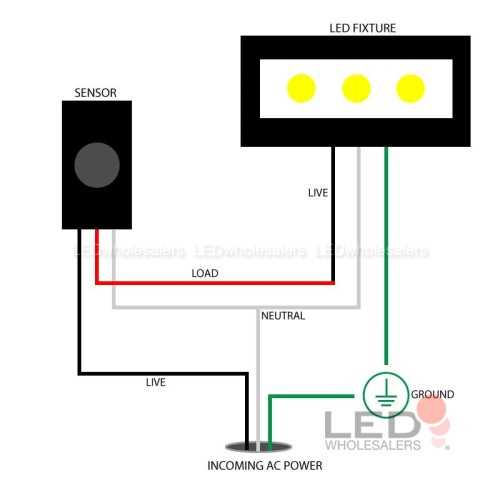
Before connecting any outdoor fixtures, make sure you use cables rated for outdoor conditions. These should be UV-resistant and capable of handling the potential exposure to the elements. Additionally, the circuit must be designed to handle the total wattage of all fixtures without overloading the system.
Ensure that each fixture is properly grounded to avoid any electrical hazards. The grounding wire should be connected to both the fixture’s metal parts and the power supply’s grounding system. This step is vital for reducing the risk of shocks and improving the safety of the entire system.
For installations involving multiple units, it is recommended to run the wiring in parallel, so each fixture receives consistent voltage. This helps avoid problems like dimming or malfunctioning caused by power loss along the circuit. If using motion detectors or timers, check their voltage and current ratings to ensure compatibility with your system.
Be mindful of local electrical codes and requirements for outdoor systems. Some areas may have specific rules for outdoor setups, such as the use of weatherproof junction boxes or special conduit. Failure to comply with local regulations could result in safety issues or legal consequences.
Once all components are connected, double-check each connection, paying close attention to ensure there are no loose or exposed wires. Test the system by switching it on to confirm that all units work properly. If issues arise, troubleshoot by inspecting each part of the setup carefully, focusing on connections and the power source.
Installing Outdoor Fixtures with Proper Power Connections
Start by connecting the power source to a weatherproof junction box. Make sure to use cables that can withstand outdoor conditions. Ensure that the ground wire is securely attached to both the fixture and the main power system to prevent electrical hazards. For multiple fixtures, run the wiring in parallel to ensure consistent power distribution to each unit.
When connecting the fixtures to the junction box, ensure the positive and neutral wires are correctly aligned. Use a weather-resistant conduit for any exposed wires to protect them from moisture. After completing the connections, test each fixture to confirm proper operation. If issues arise, recheck the wiring and connections for any loose contacts or faults.
How to Properly Connect Outdoor Lights to a Power Source
To begin, turn off the main electrical power at the breaker box before starting any installation. This ensures your safety during the entire process. If the existing power source is not in close proximity, you’ll need to run power cables to the installation point. Use an outdoor-rated extension cord or underground wiring to avoid any safety hazards.
Next, connect the positive and neutral wires to the appropriate terminals on the fixture. Ensure that all connections are tight and secure, using wire nuts to prevent any accidental disconnections. If the fixture requires a ground wire, attach it to the designated grounding point. Always check that each connection is properly insulated to prevent shorts.
For multiple fixtures, wire them in parallel to ensure each receives the same voltage. This setup guarantees that no fixture will be dimmer or have inconsistent power supply. Use appropriate connectors and clamps to secure the wiring in place, avoiding any slack or loose ends that might pose a risk over time.
If you are installing lights along a path or perimeter, consider running the cables inside a conduit for added protection. This helps safeguard the wiring from environmental elements such as water or physical damage. The conduit should be sealed to prevent moisture from entering and damaging the wires inside.
Once all connections are made, turn on the power at the breaker and test each light to ensure proper function. If any light does not work, double-check the wiring for any loose connections or faulty components. Use a multimeter to verify voltage at each connection point to troubleshoot any issues.
Finally, cover any exposed wiring and fixtures with weatherproof covers. These covers protect from rain and dirt, extending the lifespan of your outdoor lighting system. Additionally, regularly inspect the setup for any wear or corrosion, and replace parts as needed to keep the system in good working order.