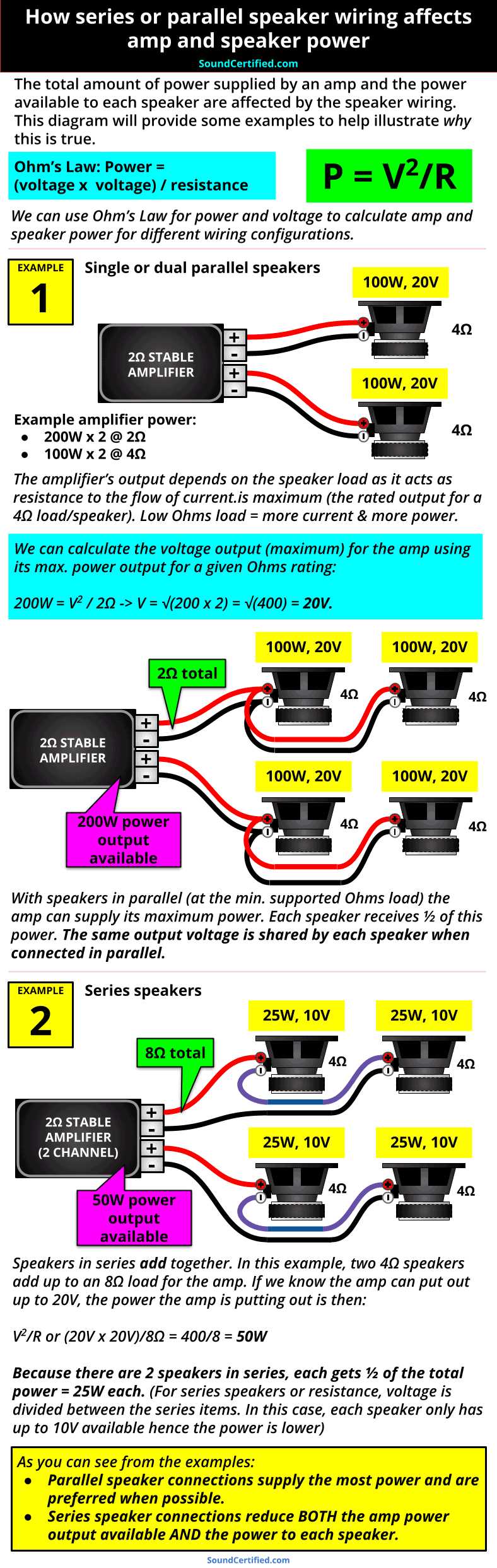
Ensure proper load matching by determining the total resistance before connecting the speaker to any amplifier. Use a multimeter to verify each winding measures close to 4 Ω and confirm continuity to avoid shorts during setup.
Decide between series or parallel connection depending on amplifier capability. Connecting the windings in series increases total resistance to 8 Ω, which reduces current draw but maintains full output per winding. Parallel connection drops total resistance to 2 Ω, increasing current demand and requiring the amp to handle lower loads safely.
Observe correct polarity for each terminal to prevent phase cancellation. Mark positive and negative leads for each winding and double-check connections before powering on. Miswiring can result in weak output or damage to the subwoofer.
Use quality connectors and insulated terminals to minimize resistance at junctions. Tight, corrosion-free connections maintain signal integrity and prevent overheating under heavy bass loads.
Test at low volume first. Gradually increase output while monitoring temperature and sound clarity. This ensures the amplifier and subwoofer operate within safe parameters and helps identify potential misconfigurations early.
Single 4 Resistance Dual Winding Speaker Connection Guide
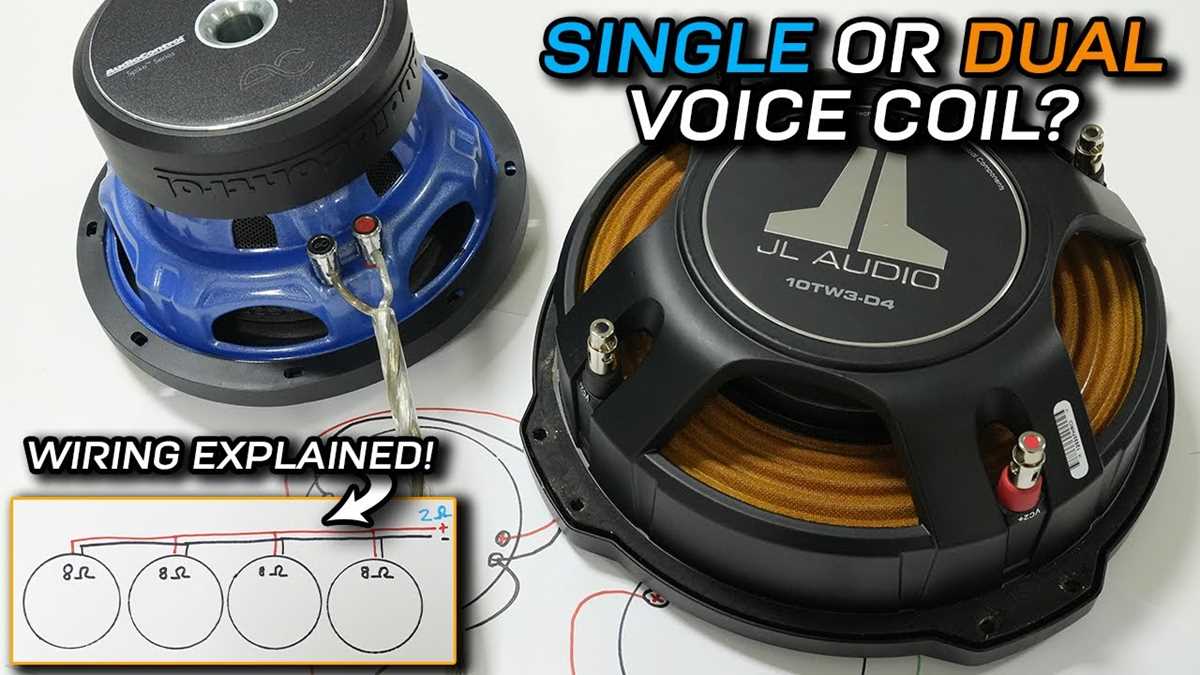
Measure each winding resistance before making connections. Use a digital multimeter to confirm both windings read close to 4 Ω and verify there are no shorts or open circuits. Accurate measurement ensures safe amplifier load matching.
Choose series or parallel configuration based on amplifier limits. Series connection combines windings to 8 Ω, reducing current draw, while parallel drops total to 2 Ω, demanding higher current capacity from the amplifier. Match configuration to your amp’s rated output.
Maintain consistent polarity. Mark positive and negative leads on both windings and confirm they align with amplifier terminals. Reversing polarity on one winding can cause phase issues and cancel low-frequency output.
Use high-quality connectors with secure crimps or solder joints. Loose or corroded connections increase resistance and can generate heat under high power, potentially damaging the speaker or amplifier.
Secure the speaker mechanically in the enclosure to prevent vibration-induced movement. Stable mounting preserves lead integrity and maintains consistent acoustic performance during operation.
Perform a gradual power test. Begin at low volume, observe thermal response, and listen for distortion. Slowly increase output to verify that both windings and the amplifier operate within safe thresholds without overheating.
Document your setup for future reference. Label series or parallel connections and note polarity to simplify troubleshooting or modifications. Clear documentation prevents errors when integrating additional speakers or upgrading components.
Series and Parallel Configurations for Single Dual Coil Subwoofer
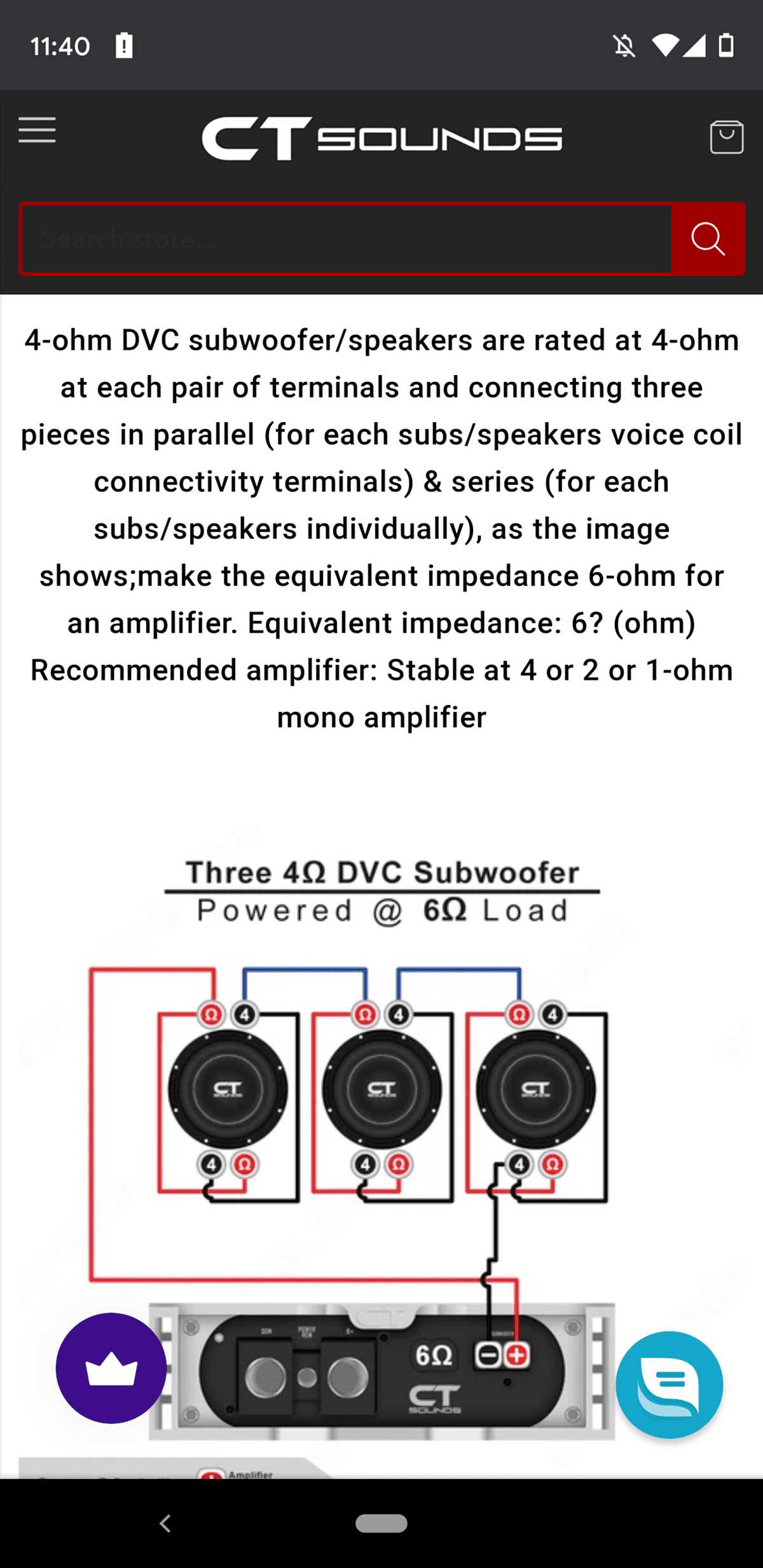
Connect windings in series to increase total resistance and reduce current demand on the amplifier. Join the positive terminal of the first winding to the negative terminal of the second, leaving the remaining terminals to connect to the amp.
Series setup raises impedance, which helps protect the amplifier from overheating on high-power systems. For example, two 4 Ω windings in series present an 8 Ω load, which is safer for amplifiers rated for higher impedance.
Parallel configuration lowers resistance. Connect both positive leads together and both negative leads together, then run to the amplifier. This reduces total load, providing maximum current flow and increased output, but requires an amp capable of handling lower impedance.
Parallel setup increases power handling by allowing the amplifier to deliver more current to the subwoofer. Two 4 Ω windings in parallel produce a 2 Ω load, which delivers stronger bass but stresses the amp if it is not rated for low-impedance operation.
Comparison of Series and Parallel
- Series: Higher total resistance, safer for amps with lower current capacity, slightly reduced output.
- Parallel: Lower total resistance, stronger output, requires robust amplifier to avoid overheating.
Test each configuration before permanent installation. Measure final resistance with a multimeter to ensure it matches the expected load. Confirm polarity and connection integrity to prevent phase cancellation or shorts.
Use insulated connectors or solder joints to maintain stable connections in both setups. Loose or oxidized terminals can cause resistance fluctuations, reducing efficiency and creating heat points during high-power operation.
Document your configuration including series or parallel choice and amplifier compatibility. This helps when expanding the system or troubleshooting issues, ensuring that subsequent modifications do not compromise performance or safety.