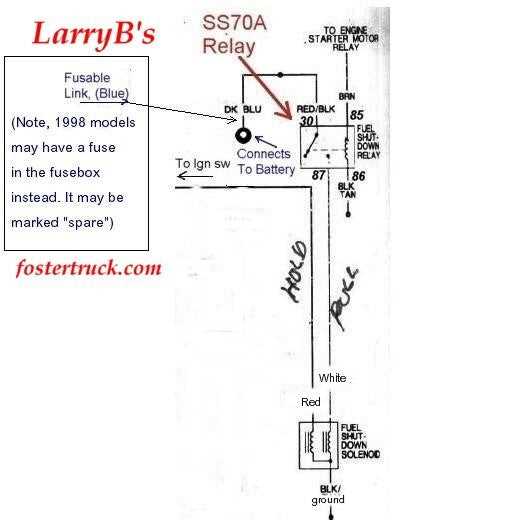
Connect the positive supply from the ignition source directly to one terminal of the electromagnetic valve and attach the second terminal to chassis ground. This configuration allows the device to pull the internal plunger when voltage is present, opening the diesel supply channel inside the injection pump. When voltage disappears, a spring returns the plunger and blocks the supply passage.
The control unit operates through a simple electromagnetic coil that reacts to 12 V or 24 V depending on the engine system. One conductor delivers power from the key switch or relay, while the return path completes the electrical loop through the engine block or grounding point. Stable grounding prevents voltage drop and weak plunger movement, which can cause the engine to stall or fail to start.
Mount the electromagnetic valve on the injection pump housing and route the conductors through heat-resistant insulation. Keep the supply lead separate from high temperature components such as exhaust manifolds. Excessive heat can damage insulation and interrupt current flow to the coil assembly.
During installation verify voltage with a multimeter while the ignition key moves to the run position. The coil should receive full system voltage within milliseconds. If the plunger does not retract, inspect grounding points, connector corrosion, and relay contacts supplying the control circuit.
2 Wire Fuel Shut Off Solenoid Wiring Layout and Power Connection Guide
Connect the positive lead from the ignition supply directly to one terminal of the electromagnetic valve mounted on the injection pump. Attach the second terminal to a solid chassis ground on the engine block. This layout creates a direct electrical path that energizes the internal coil when the key moves to the run position.
Use a conductor rated for engine compartment temperature, typically automotive-grade copper with insulation capable of handling 105–125°C. Route the supply lead from the ignition switch or relay panel through protective loom and secure it along the engine harness using clips spaced about 20–30 cm apart.
Power connection from ignition source
The electromagnetic valve activates only when system voltage reaches the coil assembly. Connect the positive conductor to a terminal that receives power during the ignition run position. In most diesel engines this point is the output side of the ignition relay or the control terminal from the engine control module.
Voltage level must match the coil rating. Many compact diesel engines operate with 12 V systems, while heavy equipment may use 24 V. Supplying lower voltage weakens plunger movement, while excessive voltage overheats the coil winding.
Grounding layout for stable coil operation
Attach the return conductor or ground lug to bare metal on the engine block. Remove paint or corrosion from the contact surface before tightening the bolt. Poor grounding increases electrical resistance and prevents the plunger from retracting fully.
Measure voltage across the coil terminals with a multimeter while the ignition key remains in the run position. A healthy installation normally shows system voltage within a tolerance of about ±0.5 V.
Install a protective fuse between the ignition supply and the electromagnetic valve. A rating between 5 A and 10 A suits most diesel stop valves and protects the harness from short circuits.
Inspect connectors periodically. Oxidized terminals reduce current flow and can cause delayed plunger response, leading to engine stall or failure during startup.
Terminal identification and polarity connection for a 2 wire fuel shut off solenoid
Identify the positive terminal of the electromagnetic valve before connecting the conductors from the engine electrical harness. One contact receives voltage from the ignition supply, while the second contact links to ground on the engine block or chassis.
Recognizing terminal roles on the valve body
Most electromagnetic stop valves use simple markings near the connector pins or studs. These marks help determine which contact receives supply voltage.
- “+” marking indicates the terminal connected to ignition power
- Unmarked or “–” contact connects to ground
- Stud terminals often use insulated bushings on the positive side
- Metal housing usually connects internally to the grounding side
Confirm polarity with a multimeter before attaching conductors. Measure continuity between the valve housing and each terminal. The contact that shows continuity to the housing normally serves as the ground side.
Correct polarity connection procedure
Attach the positive lead from the ignition relay or key switch to the designated supply terminal. Connect the second lead to a clean metal grounding point on the engine frame.
- Disconnect battery power before installation
- Clean terminal surfaces to remove oxidation
- Tighten connector nuts or plugs firmly without damaging insulation
- Reconnect battery and check voltage during engine start
Reverse polarity may prevent the plunger inside the electromagnetic valve from retracting. Some models still operate with reversed leads, yet prolonged operation under that condition can heat the coil and shorten service life.
After connection, turn the ignition key to the run position and listen for a short metallic click from the valve body. This sound indicates that the internal plunger moved and opened the diesel supply channel inside the injection pump.