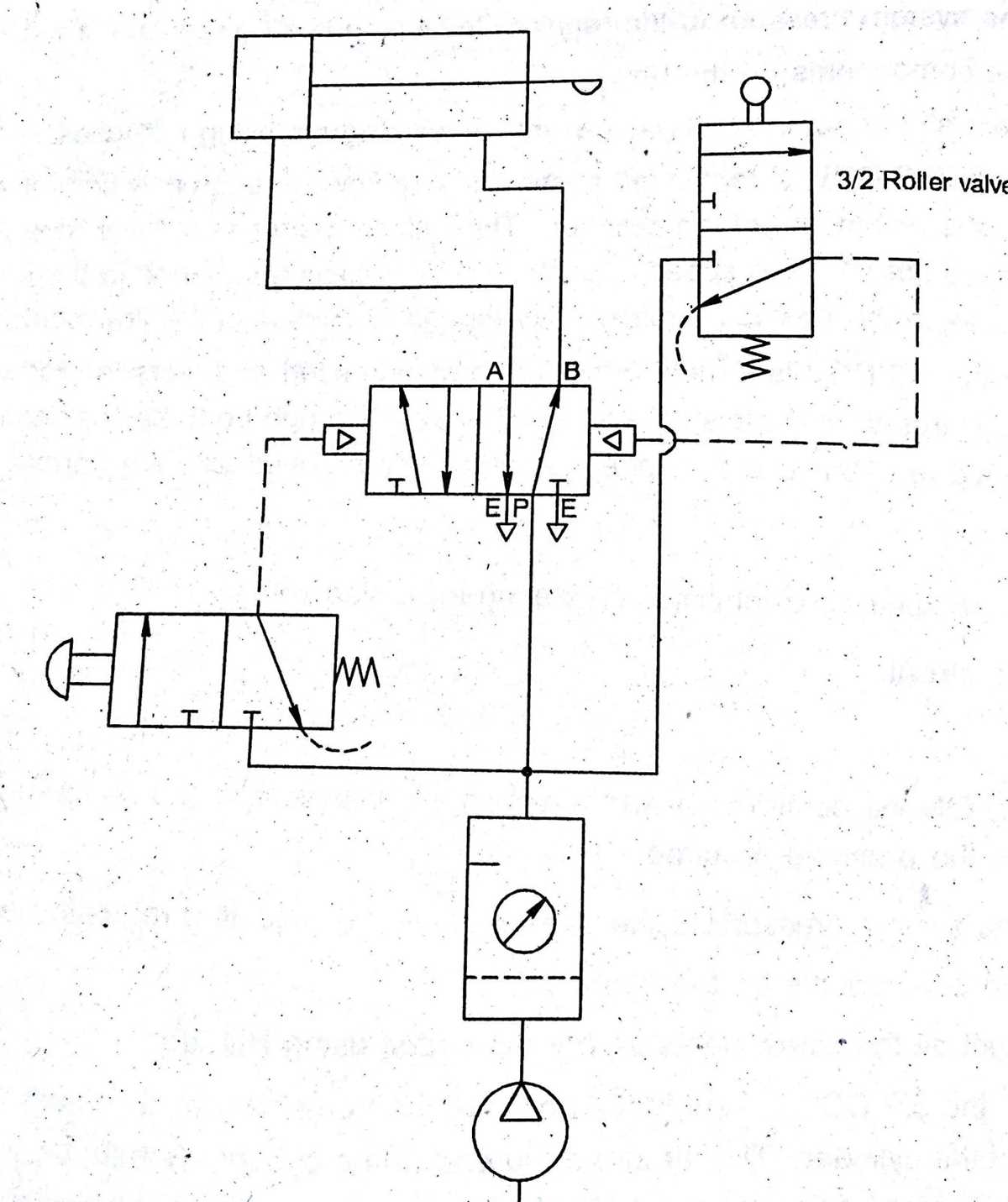
Start by understanding the basic layout of a system using a double-acting valve to control the movement of the rod. This setup ensures precise regulation of air flow for both extension and retraction phases of the mechanical process. It is recommended to choose a 5/2 valve, which is often the most straightforward solution for such systems, as it can effectively control the direction of flow with minimal complexity.
The key components to focus on include the air supply line, valve, and actuator. The valve needs to be properly sized and positioned to handle the necessary air volume and pressure. Pay attention to the sealing mechanism in the valve to prevent any leakage, as this directly impacts the precision of movement. Additionally, the actuator’s function can be optimized by controlling exhaust ports to manage speed and avoid damage to the internal components.
Common issues in these systems include incorrect valve positioning or improper pressure regulation. Ensure that the air pressure entering the valve is stable and matches the required specifications of the actuator. Over- or under-pressure can lead to slow or erratic movements, affecting the overall efficiency. Regular maintenance and pressure testing can help in identifying and correcting these problems before they lead to system failure.
Pneumatic System Setup for Simple Rod Movement
To design a system that controls the extension and retraction of a rod, use a valve that directs airflow into one side of the actuator while allowing exhaust from the opposite side. A 3/2 valve is often the most suitable choice for this purpose. It allows you to control the flow from the pressure line to the actuator and simultaneously exhaust the air after the movement is completed. Ensure that the valve is correctly oriented to prevent incorrect movement directions. You can also implement a spring return feature to automatically retract the rod when the pressure is cut off.
Optimizing Air Supply and Pressure Control
The air pressure needs to be stable and well-regulated to ensure consistent movement. A pressure regulator at the supply line is vital to avoid fluctuations that could result in slow or jerky motion. The regulator should be adjustable to suit the specifications of the actuator, as different applications may require varying levels of force. It’s also advisable to install filters to remove impurities from the compressed air, preventing any damage to the internal components of the system. Regular monitoring of pressure levels will help maintain reliable operation and prevent unnecessary wear on the equipment.
How to Design a Basic Pneumatic System for a Single Acting Cylinder
Begin by selecting the appropriate valve that will direct airflow to the actuator. A 3/2 valve is commonly used for this purpose, as it allows one-direction flow while enabling exhaust from the opposite side. Ensure the valve is properly matched to the specifications of the rod and the pressure system you plan to use.
The next step is to connect the air supply line to the valve. The valve should be positioned to control the entry of compressed air into the actuator when the system is triggered. The exhaust port on the valve should be carefully managed to release air when the rod retracts, ensuring that the movement is smooth and consistent.
When choosing the air supply, consider the pressure requirements of the actuator. The actuator must receive enough force to perform the necessary task without being over-pressurized, which could cause damage. Install a pressure regulator in the supply line to control air pressure and maintain system stability.
The system should include a filter to remove contaminants from the air supply. This ensures that no debris enters the actuator or valve, which could cause malfunctions or unnecessary wear. A clean, dry air source is vital for the longevity of the system and the smooth operation of the actuator.
After connecting the air supply, check the valve positioning to ensure correct operation. If the valve directs air to the wrong side of the actuator, it will result in improper movement or a failure to actuate at all. Carefully test the system and adjust the valve or pressure settings as necessary to fine-tune the operation.
Another important aspect is controlling the speed of the rod. This can be done by adjusting the exhaust ports or using a flow control valve. By limiting the rate at which air exits the actuator, you can reduce the speed of the rod’s movement, preventing sudden stops or jerks that could damage the system.
Finally, regular maintenance and monitoring of pressure levels will keep the system running reliably. Check for any signs of air leakage, wear, or irregular pressure drops that could affect the system’s performance. A well-maintained setup will provide consistent results with minimal downtime.