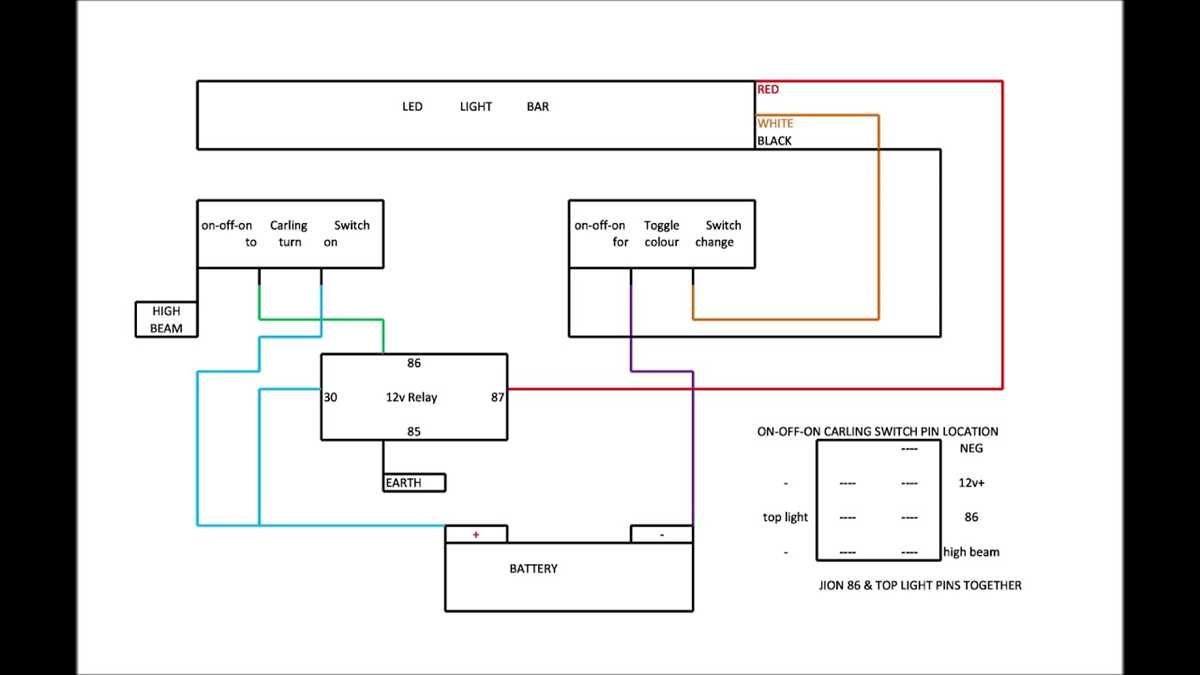
Attach the power lead to a fused source rated above the total amperage of the assembly. This protects the system from overload and ensures stable operation under continuous use.
Integrate the switch or control module inline with the positive lead. Ensure connectors are rated for the current and that terminals are fully seated to prevent intermittent operation or heat buildup.
Ground the negative terminal securely to a clean metal surface. Poor grounding can cause flickering, reduced output, or system failure. Verify continuity using a multimeter before completing installation.
Plan the cable route to avoid sharp bends and contact with moving parts. Protect wires with sleeving or conduit where necessary, and secure them with clamps to prevent wear and accidental disconnection.
Test the assembly under controlled conditions. Activate the switch and check all diodes or lamps for consistent illumination. Inspect for overheating at terminals and ensure the fuse remains within rating during operation.
Light Bar Connection Guide
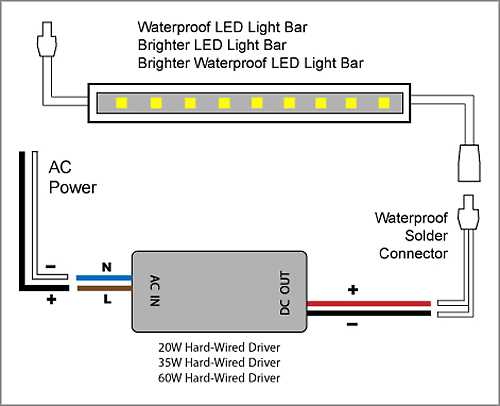
Connect the positive lead directly to a fused power source rated at least 20% above the total current draw of the assembly. This prevents voltage drops and protects components from sudden surges during operation.
Install an inline switch or relay with terminals rated for the amperage. Use secure spade or ring connectors and tighten all screws to manufacturer torque specifications to avoid intermittent contact.
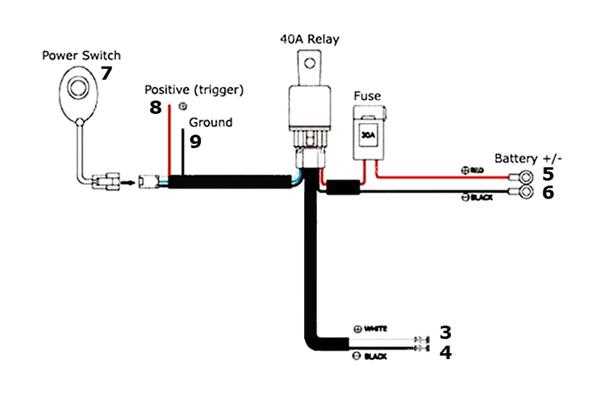
Ground the negative cable to a clean metal surface free of paint, rust, or grease. A weak ground can cause flickering, reduced output, and potential damage to diodes over time.
Route the harness along stable structural areas, avoiding sharp bends, hot engine parts, and moving components. Secure cables with zip ties or clamps every 12 to 18 inches to maintain integrity and prevent abrasion.
Include a fuse close to the power source, sized slightly above the total load, to safeguard the system against short circuits. Verify fuse holder terminals are tight and corrosion-free before finalizing the installation.
Test the assembly by activating the switch while monitoring voltage at the terminals. Check each module for consistent illumination, inspect connectors for heat buildup, and ensure the fuse remains intact under normal operation.
Selecting Proper Power Source and Fuse
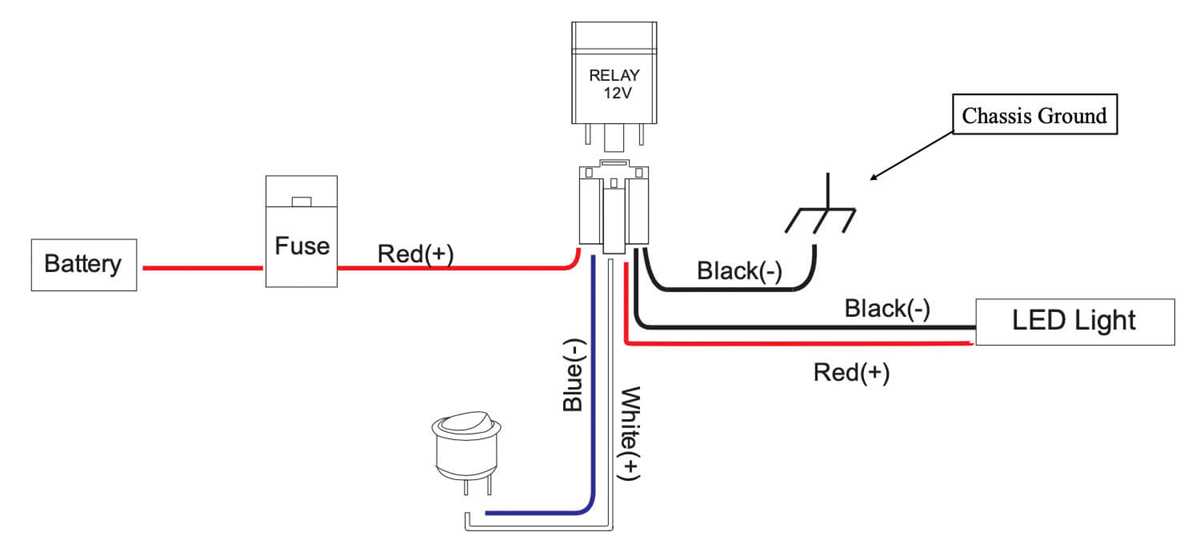
Use a stable 12-volt battery with a capacity at least 25% higher than the total current draw of the assembly. This prevents voltage sag during peak operation and ensures consistent performance under load.
Choose a fuse rated slightly above the total amperage required by all modules in the system. A typical guideline is 125% of the total draw to avoid nuisance blows while still protecting the harness and components.
Install the fuse as close to the positive terminal of the battery as possible. This minimizes the unprotected length of conductor and reduces the risk of short circuits along the harness.
When selecting fuse type, use an automotive blade fuse or ANL-style fuse suitable for high-current applications. Confirm that the holder can handle the maximum expected current without excessive heat buildup.
After installation, verify the voltage at the load while the assembly is operating. Check for minimal drop across connectors and ensure that the fuse holder remains cool to the touch during extended activation periods.