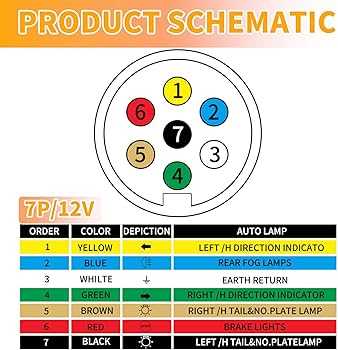
Begin by identifying each terminal on the connector and matching it to the corresponding function. Use labeled conductors for brake lights, turn signals, tail lights, reverse lights, and auxiliary power to prevent misconnection.
Inspect the male and female connectors for corrosion or damage. Clean any oxidation with a contact brush and apply dielectric grease to improve conductivity and reduce wear. Ensure all pins align properly before inserting the plug.
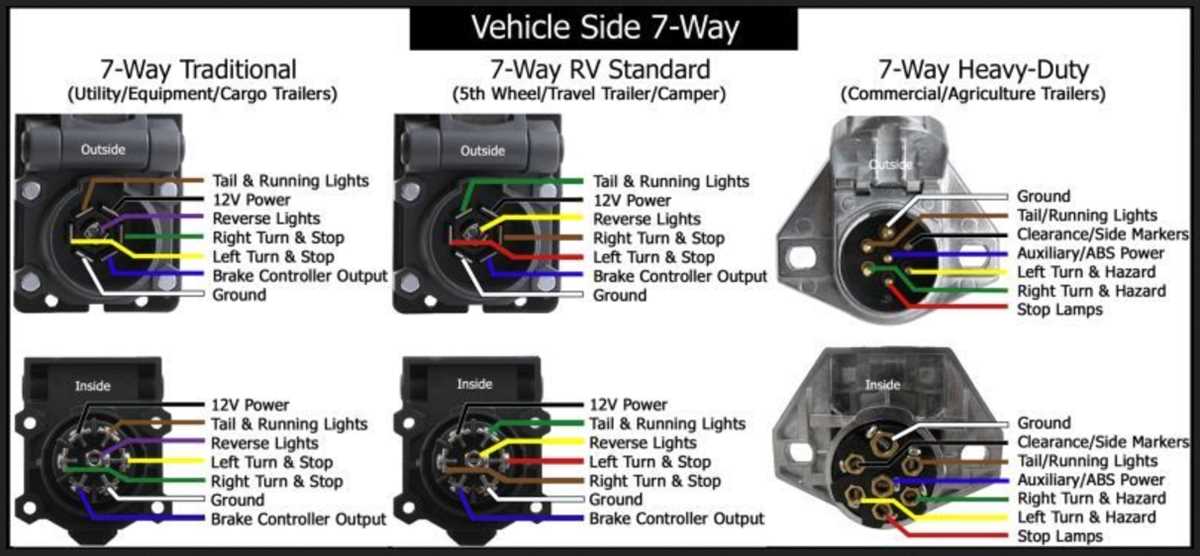
Route conductors along protected paths on the vehicle frame. Avoid sharp bends and contact with moving parts. Use clamps or zip ties to secure cables and prevent chafing during operation.
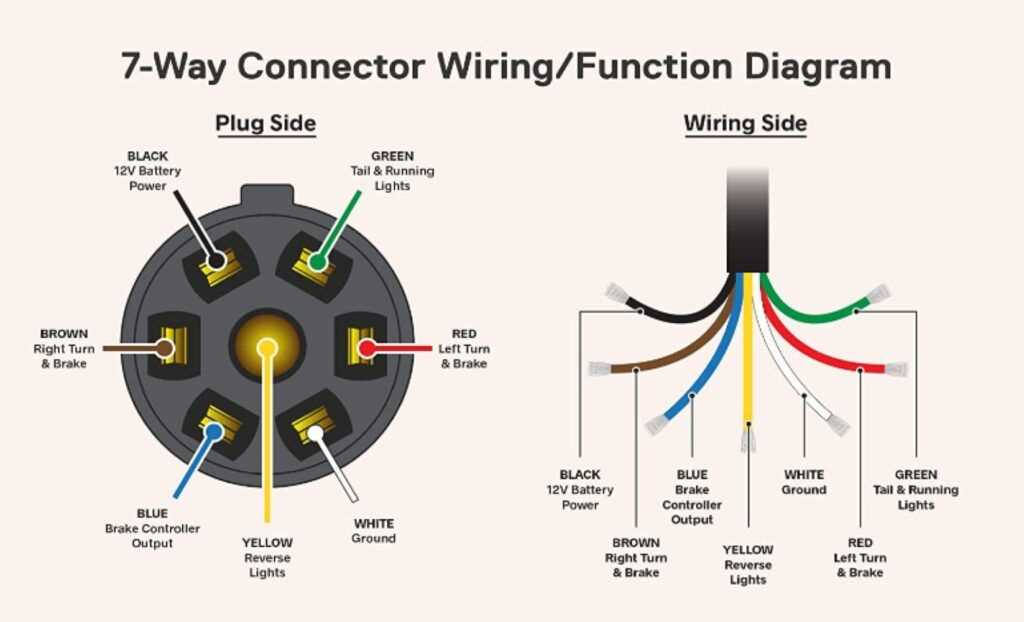
Test each lighting function individually after connecting the system. Activate brakes, turn signals, and reverse lights to confirm correct operation. Check for flickering or weak illumination, which may indicate loose connections or damaged conductors.
Complete Guide to Connecting and Operating a 7 Pin Trailer Electrical System
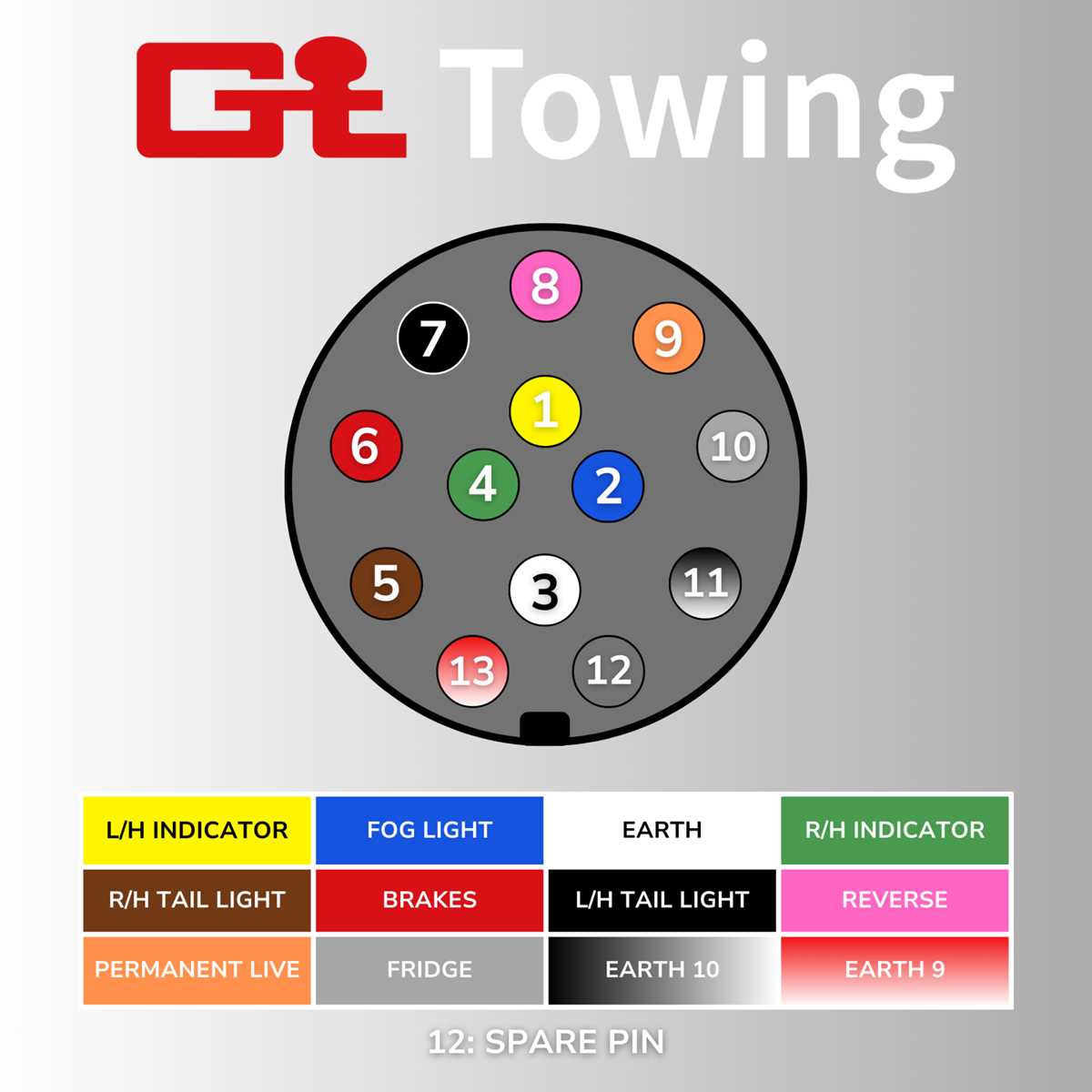
Start by matching each connector terminal to its designated function. Use labeled conductors for turn signals, brake lights, tail lamps, reverse lights, and auxiliary power. Ensure the mating connectors are clean and free from corrosion, and apply dielectric grease to improve conductivity and prevent oxidation.
Secure all cables along protected paths on the frame. Avoid sharp bends, moving parts, and areas with high heat exposure. After connections are complete, test each lighting function individually to verify proper operation and check for loose connections or dim lamps that could indicate contact issues.
Identifying Each Pin and Its Function
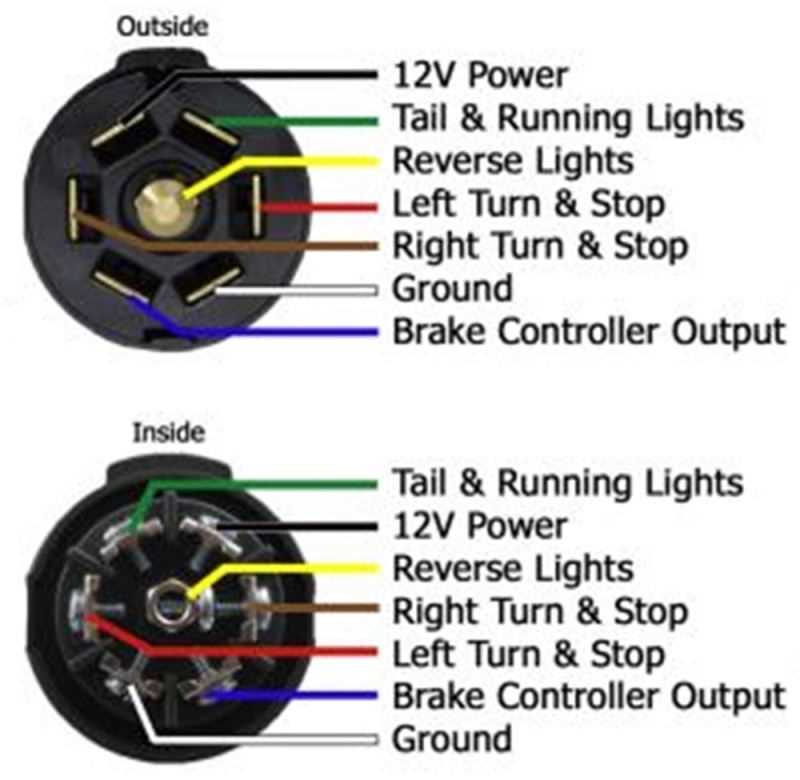
Start by labeling each terminal on the connector to match its specific function. Typical functions include brake lights, left and right turn signals, tail lamps, reverse lights, ground, and auxiliary power. Accurate labeling prevents misconnection and ensures safe operation.
Inspect each pin for corrosion, bent tips, or damage. Clean contacts with a non-abrasive brush and apply dielectric grease to maintain conductivity. Ensure each pin aligns properly when connecting to the mating plug to avoid loose or intermittent contact.
- Pin 1: Left turn signal – connect to the corresponding lamp circuit.
- Pin 2: Right turn signal – verify polarity before securing.
- Pin 3: Tail lamps – check that both lamps illuminate evenly.
- Pin 4: Brake lights – test with pedal actuation for proper response.
- Pin 5: Reverse lights – confirm operation when shifting to reverse.
- Pin 6: Ground – ensure solid connection to the chassis.
- Pin 7: Auxiliary power – use for additional equipment or lighting.
Route each conductor carefully along protected paths. Avoid contact with sharp edges, moving parts, or areas of high heat. Use clamps or zip ties to maintain neat organization and prevent chafing over time.
After all connections are made, test each function individually. Activate brakes, turn signals, tail, and reverse lights to confirm correct operation. Observe for flickering or dim illumination, which can indicate loose pins, poor contact, or damaged cables.