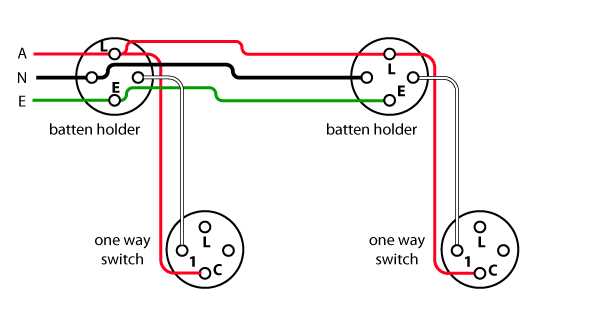
Label each line and fixture clearly before making connections. Assign identifiers to switches and outlets to prevent confusion during installation or future maintenance, and ensure that high-load devices have dedicated feeds with proper amperage.
Verify each connection for continuity using a reliable tester. Check that every switch, socket, and fixture is properly linked and that no line exceeds its recommended load to avoid tripping or overheating.
Plan the layout for even distribution. Space lines to minimize voltage drop across long runs and balance load among branches. This prevents dimming, flickering, and strain on supply points while maintaining stable operation.
Secure all terminals and connectors with screws or approved clips. Loose contacts can cause sparks, heat buildup, and intermittent operation. Ensure each box is properly bonded to maintain safety and consistent performance.
Document the configuration with a clear map or notes. Keep records of all connections and labels to simplify troubleshooting, future modifications, and verification of compliance with safety requirements.
Home Illumination System Guide
Label every feed and switch before connecting devices. Use tags or color-coded markers to identify which switch controls which outlet or fixture. This prevents confusion during installation and simplifies maintenance.
Balance the load across multiple lines. Divide high-demand lamps and appliances among separate branches to prevent overloading a single path. Calculate total amperage for each line to avoid frequent breaker trips.
Planning and Routing Feeds
Plan routes to minimize voltage drop. Keep runs as short as possible and avoid sharp bends in the cable path. Longer lines may require thicker conductors to maintain voltage levels and consistent brightness at all points.
Verify continuity and secure connections at every terminal. Use a multimeter to confirm no breaks exist before energizing. Tighten screws and check that all connectors are fully seated to prevent intermittent operation.
Install switches with proper spacing. Avoid placing multiple switches too close to one another to reduce interference and ensure accessibility. Consider separate control for high-demand fixtures to distribute load effectively.
Testing and Maintenance
Check each branch for stability after energizing. Confirm that all bulbs operate without flicker and that breakers remain within rated load. Monitor temperature at connection points to detect any heat buildup that could indicate poor contact.
Keep a detailed map of all lines and terminals. Note the placement of switches, outlets, and feeds. A clear record allows for faster troubleshooting, safer modifications, and reliable performance over time.
Planning and Labeling Lighting Lines
Identify all switch locations and fixture points before running any feeds. Map each room and mark where each device will be installed. This prevents overlapping connections and ensures each line serves the correct area without overloading.
Use consistent labeling for all lines. Assign a unique identifier to each feed and record it on a master sheet. Include the type of load, expected amperage, and terminal connections. Color-coded tags or numbered markers improve clarity during installation.
Balance high-demand loads across multiple lines. For example, split kitchen and utility room lamps onto separate feeds to prevent breaker trips. Calculate total wattage per line and compare to breaker rating to maintain safety and stability.
Keep a visual reference of all feeds using a simple sketch or digital plan. Note switches, outlets, and endpoints clearly. This aids future modifications, quick troubleshooting, and ensures that every feed can be traced without confusion.