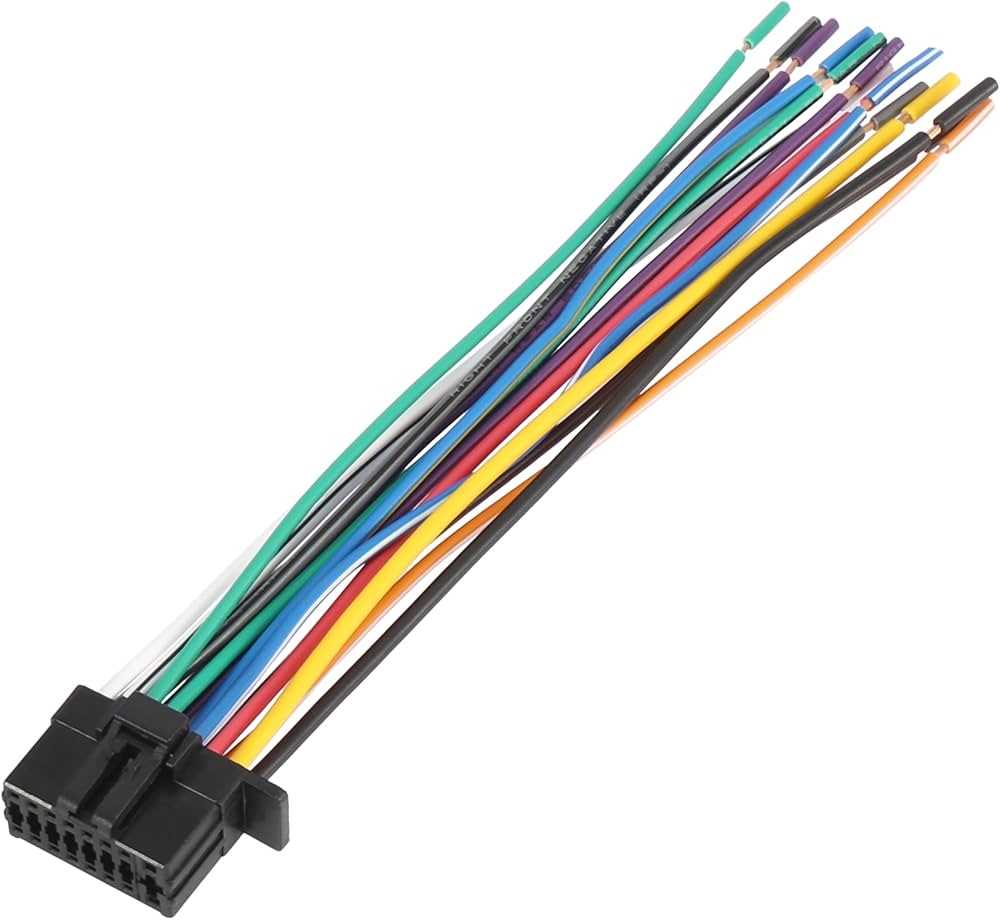
Match each wire by color and function before making connections to avoid short circuits and ensure proper signal flow. Use a multimeter to verify voltage at each terminal before attaching any connectors.
Locate the main power lead behind the dashboard and identify ground points on the chassis. Secure connections with crimped terminals or solder to maintain consistent contact and prevent intermittent failures.
Identify speaker feeds individually by tracing factory lines from the head unit to each door or rear panel. Label each lead to prevent cross-wiring channels, which can distort sound or overload the amplifier.
Test low-voltage signal lines for continuity before full installation. This reduces the risk of damage to the amplifier module or head unit during the initial power-up sequence.
Use insulated connectors and protective sleeves on all exposed conductors to prevent accidental shorts, especially near metal mounting brackets and sharp edges in the dash cavity.
Confirm polarity on each speaker line to maintain phase integrity. Reversed leads on one speaker can cancel sound waves and diminish overall audio performance.
Perform a step-by-step power-on check after connecting each module. Verify audio output from each channel individually and adjust mounting hardware to reduce vibrations that may loosen terminals over time.
Stereo System Installation and Connection for 1998 Ford Ranger
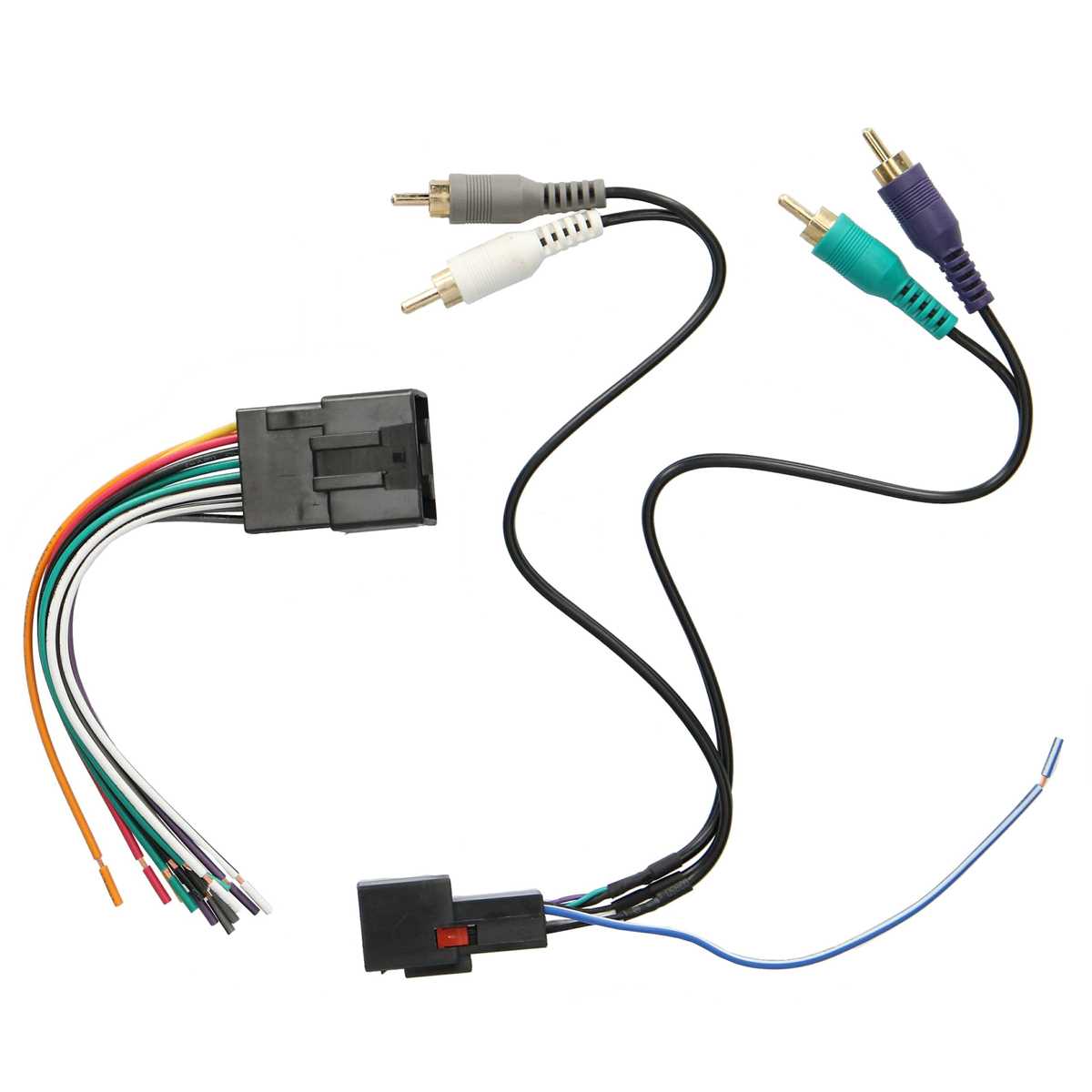
Secure the head unit using the factory mounting bracket and ensure all support clips are aligned. Tighten screws gradually to avoid cracking the dashboard trim or misaligning the connector ports.
Identify power and ground terminals before attaching the main harness. Confirm a steady 12V supply at the ignition line and use the chassis as a reliable ground point to prevent voltage drops during high-volume playback.
Connect speaker lines individually by following color-coded leads. Maintain consistent polarity across all doors and rear panels to prevent phase cancellation that can reduce sound quality.
Route auxiliary and antenna connections away from high-current cables to minimize interference and signal noise. Use zip ties or cable channels to keep wiring secure and reduce wear from vibration over time.
Perform a full system test after all connections are complete. Adjust balance and fader controls, check each speaker for proper response, and inspect connectors for firm contact to prevent future audio interruptions.
Identifying Factory Color Codes and Wire Functions
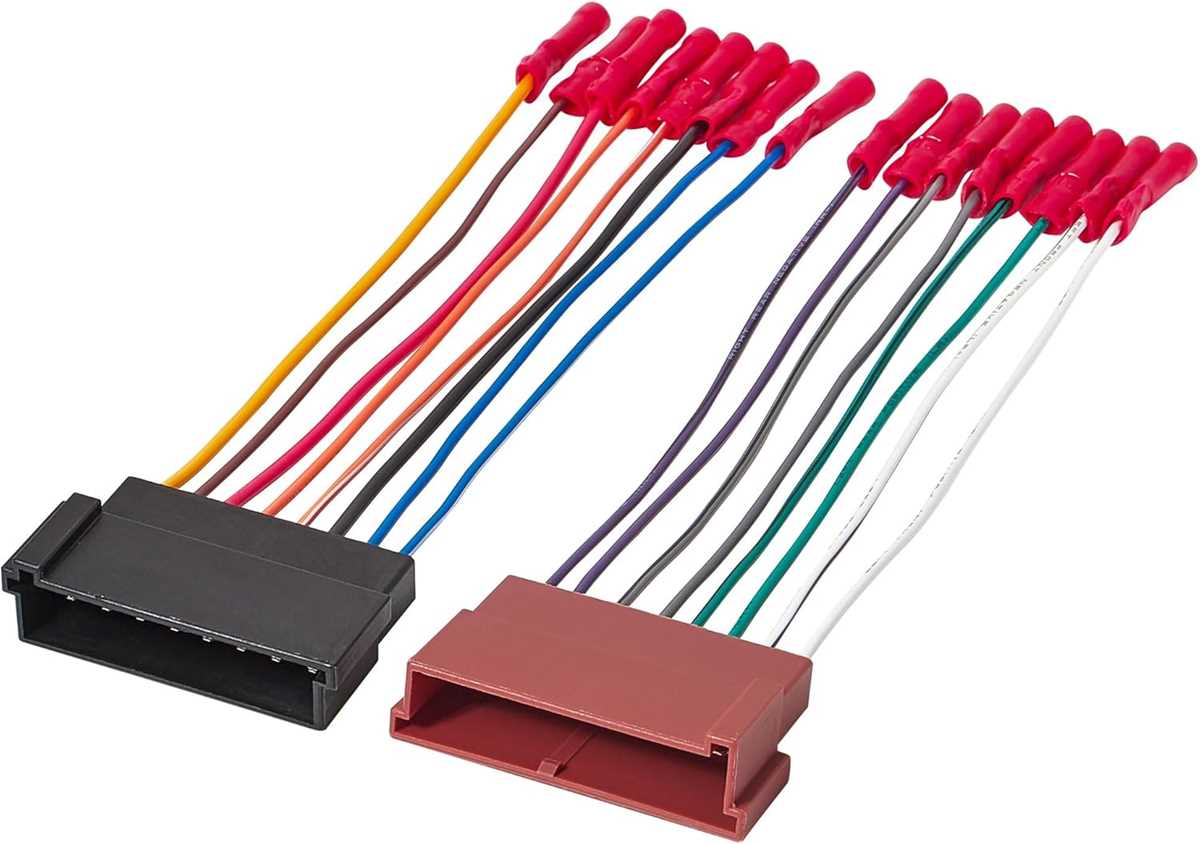
Refer to the factory color legend to distinguish power, ground, and signal lines accurately. Typical colors include red for ignition power, yellow for constant power, black for ground, and blue for antenna or amplifier trigger.
Check each wire using a multimeter before making connections. Confirm voltage presence and continuity to prevent misidentifying lines that could damage the head unit or speakers.
Label each lead during disassembly using masking tape or pre-printed tags. This ensures correct reconnection and prevents polarity errors that can invert speaker output or mute channels.
Separate speaker and control wires in your harness layout. Keep matching color pairs together for front left, front right, rear left, and rear right channels to maintain correct audio staging.
Verify functions after connections by briefly applying power. Test each speaker, check accessory outputs, and confirm that dimmer and illumination wires respond properly to dashboard controls.