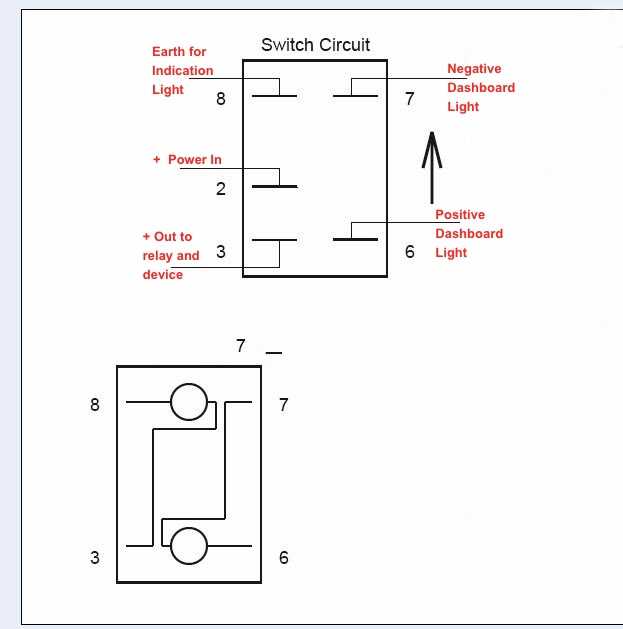
Verify each terminal on the control toggle before connecting any conductor. A 6-contact toggle device typically includes power input, load output, and integrated LED indicator lines. Correctly matching each line with its corresponding terminal prevents reversed polarity, blown LEDs, or inactive loads.
Most automotive and panel-mounted toggles use color-coded wires to simplify identification. Red or red-striped conductors carry positive supply, black serves as common return, and green or blue lines often handle auxiliary outputs or LED backlighting. Ensure insulation is stripped to expose 5–7 mm of copper before insertion.
LED illumination depends on proper polarity and current limiting. Incorrect connection can result in non-functioning or dim LEDs. Use a multimeter to confirm voltage across the designated terminals before final tightening of screws.
Load lines controlling motors, lights, or relays should be routed separately from signal lines to reduce interference. Twisted pairs can be applied for LED circuits exceeding 1–2 meters in length to minimize voltage drop and flicker.
Final inspection involves gently tugging each conductor to confirm secure clamping and testing the toggle in all positions. Observe that each output engages correctly and the indicator illuminates consistently with the active state. Misconnected lines often produce reversed or intermittent responses.
6 Pin Rocker Switch Wiring Diagram with Terminal Functions and Connection Layout
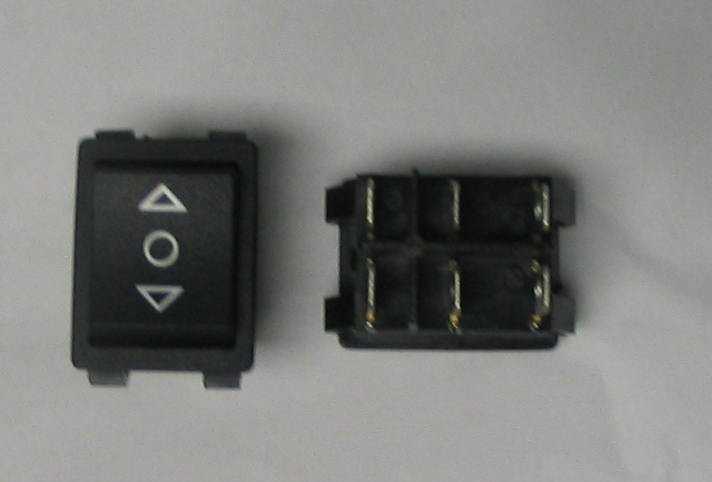
Identify each contact on the toggle device before inserting conductors. A typical 6-contact unit includes two supply lines, two load outputs, and two LED indicator connections. Correct alignment prevents reversed current, blown LEDs, and inactive load circuits.
Color coding helps with accurate connection. Red or red-striped conductors usually carry positive supply voltage, black is reserved for the common return, and blue or green lines control auxiliary loads or backlighting. Strip 5–7 mm of insulation before securing each wire under the terminal clamp.
LED backlighting requires proper polarity and may include a built-in resistor. Connecting these lines in reverse can cause the LED to remain off or flicker. Test voltage across the LED terminals with a multimeter prior to final tightening to ensure correct orientation.
Load outputs should be routed separately from indicator lines to reduce electromagnetic interference. When cables exceed 1–2 meters, using twisted pairs for LED leads helps maintain stable illumination and reduces voltage drop.
After securing all conductors, manually operate the toggle in each position. Confirm that each output engages the intended load and that the LED illuminates only when the corresponding circuit is active. Misplaced lines often produce reversed responses or intermittent operation.
Regular inspection of terminal screws is recommended to prevent loosening over time. Slightly loose connections can cause overheating, voltage drops, or failure of connected devices. Check and tighten screws periodically for reliable long-term performance.
6 pin rocker switch terminal layout and identification of power load and LED pins
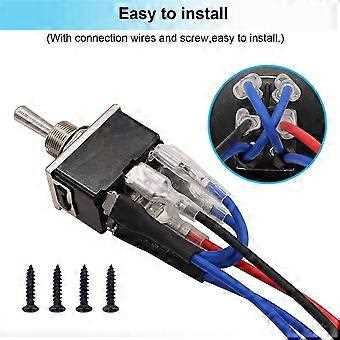
Verify each contact before connecting any conductor. A standard 6-contact toggle contains two supply terminals, two output lines for loads, and two LED indicator connections. Accurate identification prevents reversed current, inactive loads, or non-functioning illumination.
Color coding helps distinguish each function. Red or red-striped wires generally carry positive voltage, black is the common return, and green or blue lines manage auxiliary loads or LED illumination. Strip 5–7 mm of insulation before inserting into the terminal clamp to ensure a secure connection.
The table below summarizes typical terminal functions and corresponding wire colors:
| Terminal | Function | Recommended Wire Color |
|---|---|---|
| 1 | Positive supply input | Red |
| 2 | Common return | Black |
| 3 | Load output A | Blue |
| 4 | Load output B | Green |
| 5 | LED positive | Red or Orange |
| 6 | LED negative | Black or White |
LED illumination depends on proper polarity. Reversing the LED conductors may prevent it from lighting or cause flickering. Use a multimeter to confirm voltage across LED terminals before securing the connection.
Load outputs should be routed separately from indicator lines to minimize interference. For circuits longer than 1–2 meters, using twisted pairs for LED leads helps reduce voltage drop and maintains stable illumination.
After securing all conductors, operate the toggle in each position. Confirm each load engages correctly and the LED lights only in its intended state. Misplaced conductors can produce reversed operation or intermittent engagement.
Regularly inspect terminal screws to ensure they remain tight. Loose contacts can cause overheating, voltage drops, or failure of connected devices. Periodic checks maintain stable and reliable performance.