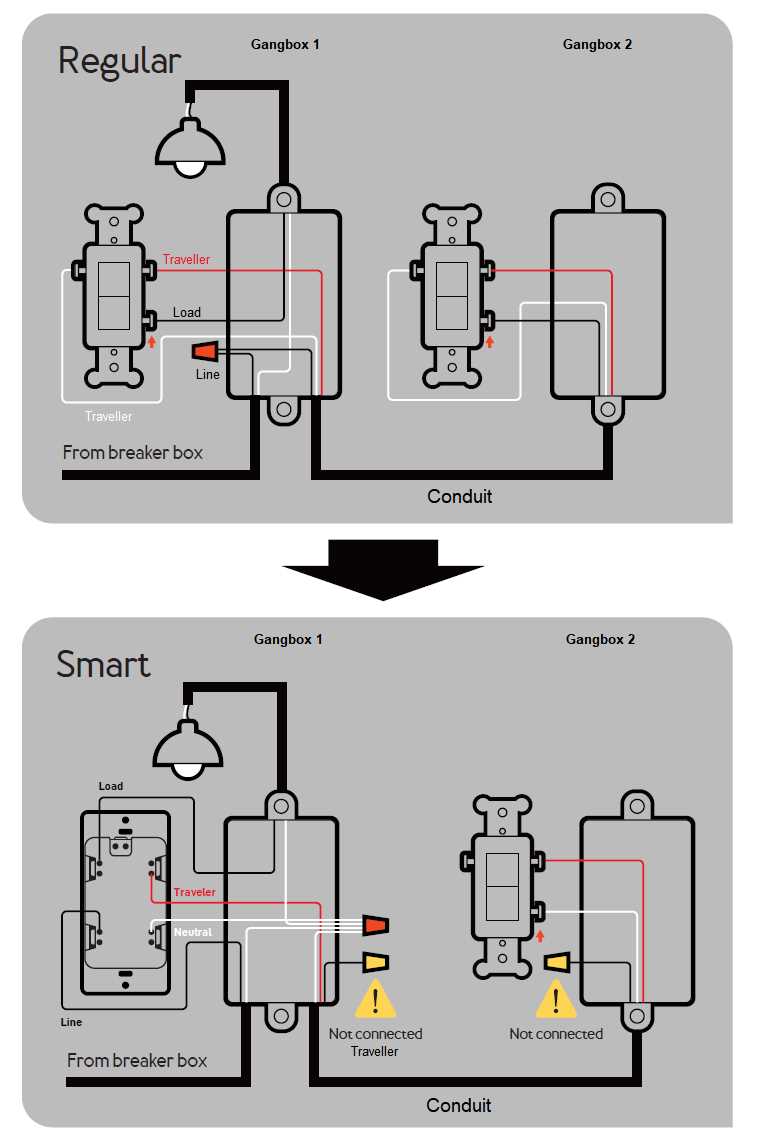
Connect the traveler cables correctly between the two control points to ensure both units can operate the fixture from different locations. Use a tester to verify voltage on each line before finalizing connections.
Mark all terminals clearly during installation to prevent confusion. The common terminal must attach to the line power or load depending on the configuration chosen, while traveler terminals link the two devices directly.
Check continuity after securing all screws and before closing wall boxes. This prevents short circuits and ensures reliable operation. Using proper wire nuts and grounding each component reduces the risk of electrical hazards.
Three Point Control Connection Setup
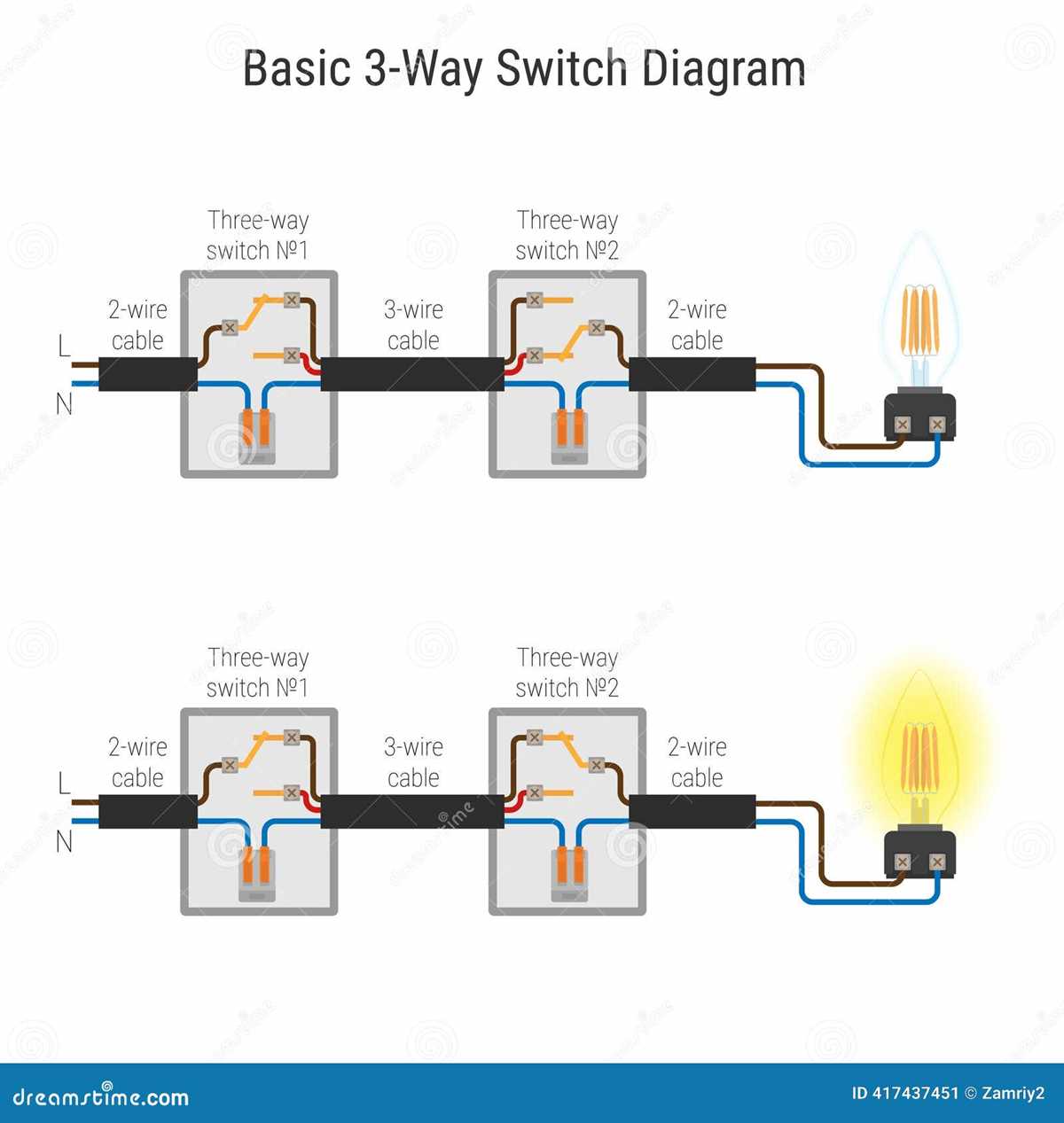
Connect the hot wire to the common terminal on the first device and run two traveler conductors to the second unit. Ensure each line is stripped to ¾ inch and securely fastened under the terminal screws to maintain a stable connection.
Use color-coded cables to distinguish between travelers and the load line. Black or red can mark active travelers, while white is typically neutral. This labeling prevents mistakes during testing or future maintenance.
After all connections are made, test each path individually with a voltage tester before installing cover plates. Confirm both units control the fixture from either location and verify grounding continuity for safety.
How to Identify and Prepare Wires for a Three Point Control
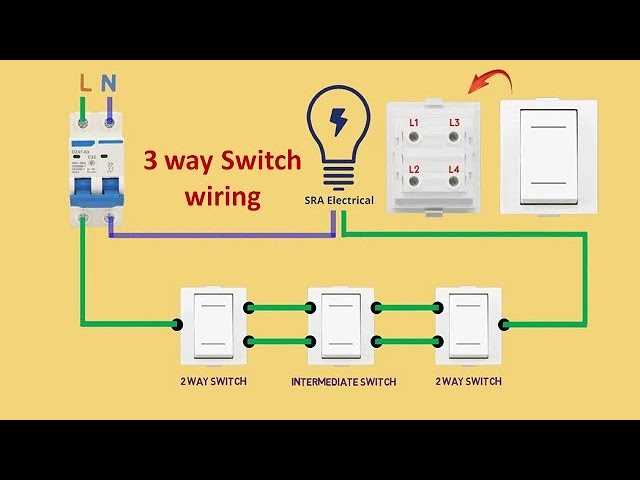
Turn off the circuit breaker before touching any cables. Use a non-contact voltage tester to confirm that all lines are de-energized, including those hidden behind junction boxes.
Label each conductor clearly with tape or colored markers. Assign one for the hot feed, two for travelers, and one for the load connection. This ensures accurate assembly and reduces errors during installation.
Strip insulation to the correct length, typically ¾ inch, for terminal screws. Ensure strands are not frayed to prevent loose connections or short circuits when clamped under the screws.
Separate neutral and grounding conductors from active lines. Twist exposed copper ends of ground wires together and attach to the grounding terminal for a continuous protective path throughout the circuit.
Verify each cable’s continuity using a multimeter. Check that traveler lines connect between both control points without interruption, and confirm the hot and load conductors lead to the proper terminals at each device.
Use wire nuts rated for the conductor size to join or extend lines when necessary. Maintain consistent torque on each nut to avoid overheating or loose connections over time.
Keep cables organized inside boxes with slight bends rather than sharp angles. Prevent overcrowding to allow easy access for testing and maintenance while avoiding insulation damage.
Before securing devices, recheck all markings and connections. A final verification ensures each line functions correctly, minimizing troubleshooting after the installation is complete.