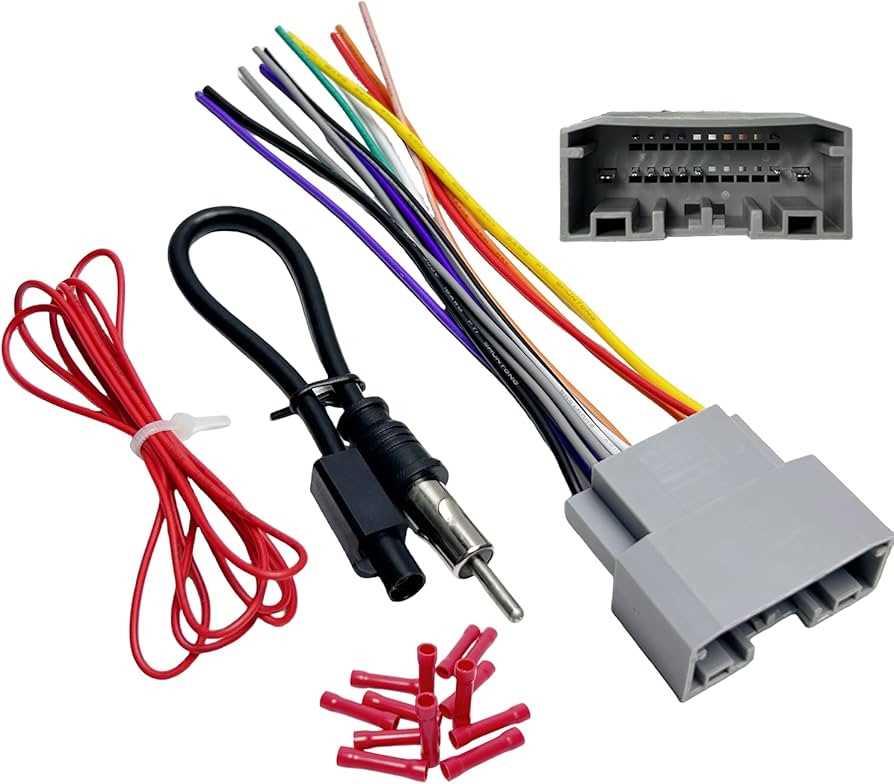
Match each color-coded line to its correct terminal before attempting any installation. Yellow wires supply constant power, red lines carry switched ignition power, and black cables serve as grounding points for safe operation.
Identify speaker outputs clearly to avoid short circuits. Front and rear channels are usually marked with white, gray, green, and purple strands. Pair positive and negative leads accurately for each door or cabin speaker.

Disconnect the battery to prevent electrical damage. Remove the factory head unit carefully, noting each connector’s location. Labeling every plug can reduce installation errors and ensure a smooth reconnection of aftermarket components.
Follow torque recommendations when fastening screws and brackets. Loose connections can cause intermittent sound or voltage spikes, while over-tightening may damage mounting points or the electrical harness.
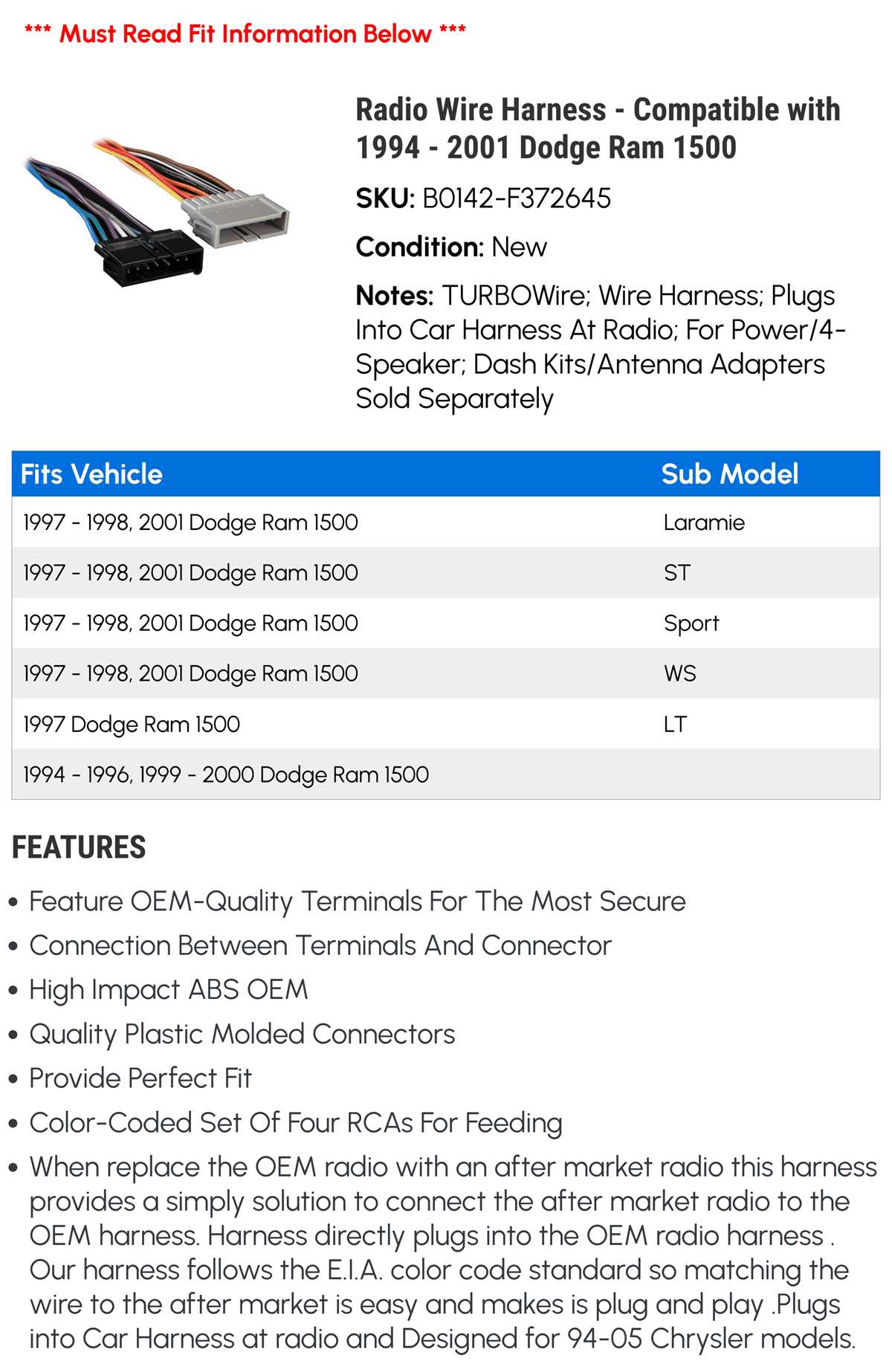
Audio Connection and Installation Guide for Pickup Model
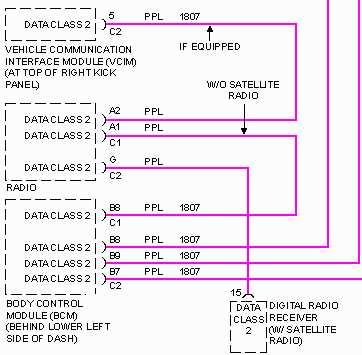
Begin by labeling each power and signal line before detaching the old head unit. Constant voltage lines are usually yellow, while ignition-switched circuits appear red. Black leads must connect securely to the chassis ground for stable operation.
Front and rear channels require careful identification. White and gray strands generally correspond to the front left and right speakers, while green and purple manage the rear outputs. Ensure positive and negative terminals are matched to prevent phase issues and distortion.
Remove the dash panel carefully to access factory connectors. Retaining screws and brackets in an organized layout helps maintain alignment when mounting the replacement unit. Avoid forcing plugs; they should slide smoothly into matching sockets.
Double-check all signal paths before reassembling. Test each speaker individually by applying a brief power pulse. Verify that low, mid, and high frequencies reproduce correctly to confirm proper connection of all audio lines.
Identifying Wire Colors and Functions for Audio Connections
Start by matching each line to its specific role. Yellow cables carry continuous battery voltage, red leads deliver power switched by the ignition, and black strands serve as grounding points to prevent shorts.
Speaker channels require precise identification. Follow this standard color coding:
- White – front left positive
- White with black stripe – front left negative
- Gray – front right positive
- Gray with black stripe – front right negative
- Green – rear left positive
- Green with black stripe – rear left negative
- Purple – rear right positive
- Purple with black stripe – rear right negative
Check auxiliary and control lines. Blue wires typically manage amplifier or antenna activation, while orange cables handle illumination adjustments. Correct identification prevents malfunction or damage to audio modules.
Test each connection before final assembly. Use a multimeter to verify voltage and continuity. Confirm that each speaker produces sound individually, ensuring all leads correspond to the correct channel before securing the head unit back into place.