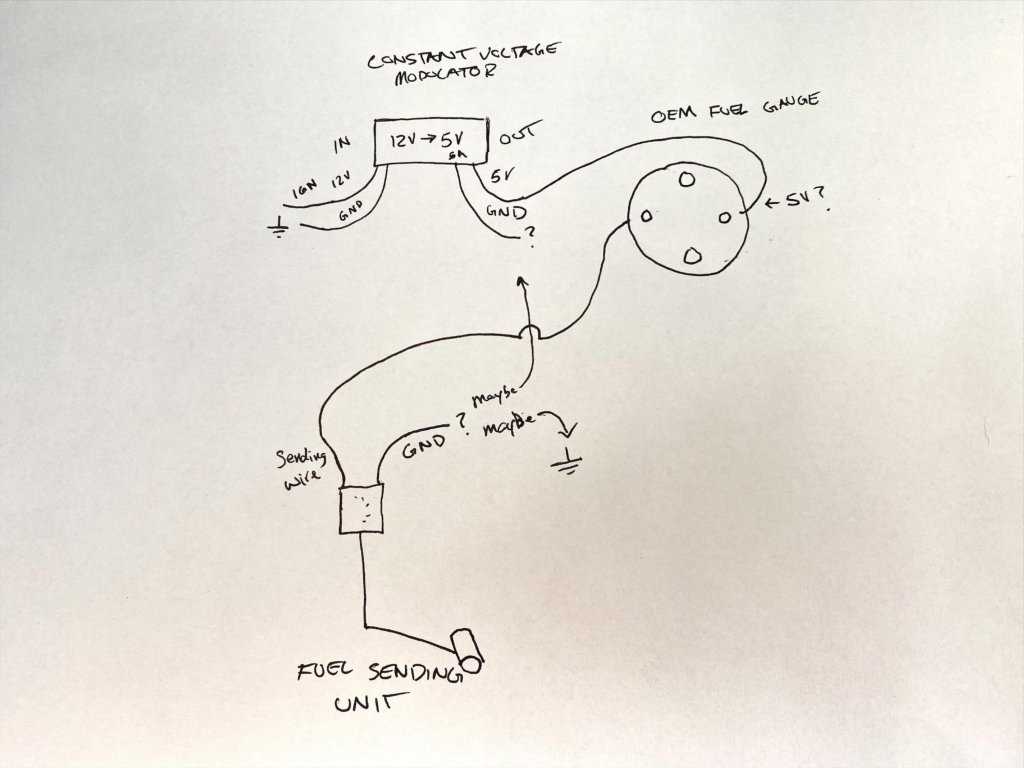
Connect the sender unit directly to the cluster input terminals using appropriate connectors rated for automotive current. Ensure terminals are clean and free of corrosion to maintain consistent readings. Use a multimeter to confirm continuity before final installation.
Route the signal conductor away from high-current lines to prevent interference from starter motors or ignition systems. Keep total conductor length under three meters when possible to reduce voltage drop and preserve measurement accuracy.
Verify sender resistance range against the cluster specification to ensure compatibility. Typical tank sensors vary from 10 to 180 ohms, and mismatched values can cause full or empty misreads.
Secure all connections with crimped or soldered terminals and insulate with heat shrink tubing. Loose or exposed terminals increase the risk of erratic readings and short circuits.
Test the complete loop with power applied before finalizing installation. Simulate empty, half, and full tank conditions to ensure the instrument responds correctly.
Tank Level Instrument Connection Guide for Precise Vehicle Readings
Connect the sender unit directly to the cluster input terminals using high-quality automotive connectors. Ensure that all contact points are clean and firmly seated to prevent intermittent readings.
Route signal lines away from high-current components such as starter motors or ignition coils. This minimizes electromagnetic interference and maintains stable sensor output.
Verify that the sensor resistance matches the instrument specification. Typical resistance ranges from 10 to 180 ohms, and mismatched values can cause full or empty misreadings.
Securing Connections
Use crimped or soldered terminals and cover with heat shrink tubing for insulation. Loose connections or exposed metal increase the risk of fluctuating readings and short circuits.
Check for continuity along the entire loop before final installation. Measure resistance between the cluster input and sender terminals to detect any breaks or high-resistance joints.
Testing and Calibration
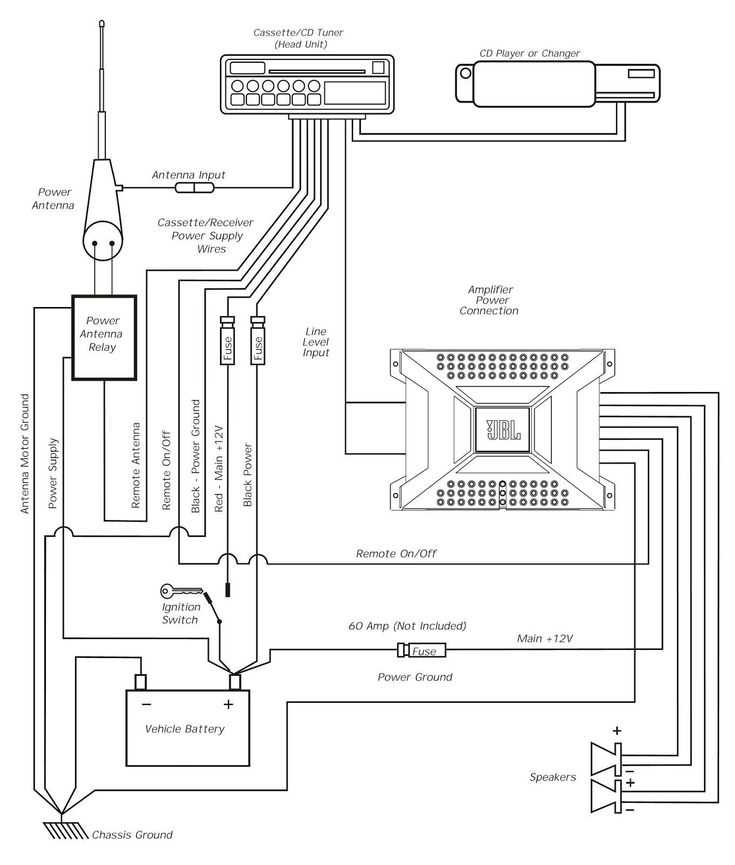
Simulate different tank levels while the instrument is powered. Verify full, half, and empty positions to confirm the instrument accurately reflects the sender’s output.
After testing, secure all lines with cable ties and protective sleeving. Proper mechanical support prevents vibrations from loosening connections and ensures long-term accuracy.
Identifying Sender Terminals and Correct Connector Placement
Locate the sender unit terminals by identifying the common, signal, and ground pins. Label each connection clearly to avoid cross-contact during installation.
Use high-quality connectors that match the terminal size and type. Loose or undersized connectors can cause fluctuating readings or intermittent signal loss.
Check resistance values at each pin. Typical sensor output ranges from 10 to 180 ohms, and verifying these values ensures proper communication with the instrument cluster.
- Connect the signal pin directly to the cluster input without splices.
- Attach the common terminal to the vehicle chassis or dedicated return line.
- Secure the ground pin to a clean, paint-free metal surface to maintain stable reference voltage.
Route all lines away from heat sources, moving components, and high-current circuits. Proper placement prevents insulation damage and signal interference.
After connections, apply dielectric grease to terminals and use locking clips or sleeves. This reduces corrosion, vibration-induced disconnection, and ensures long-term reliable sensor performance.