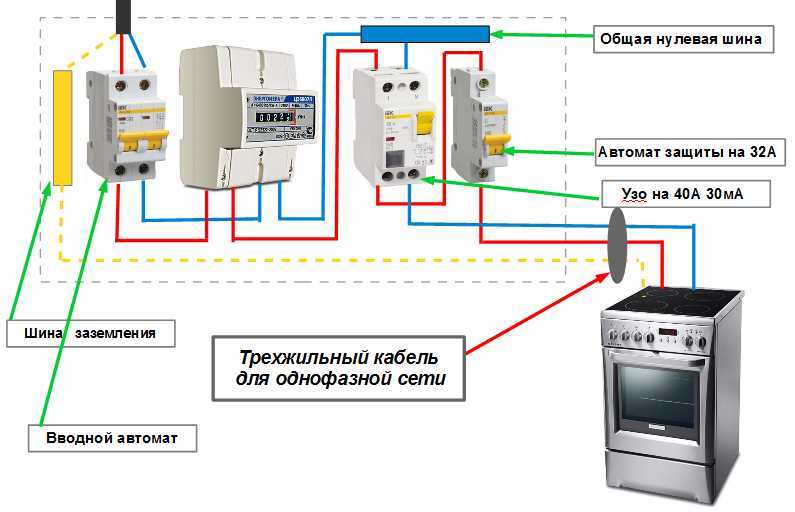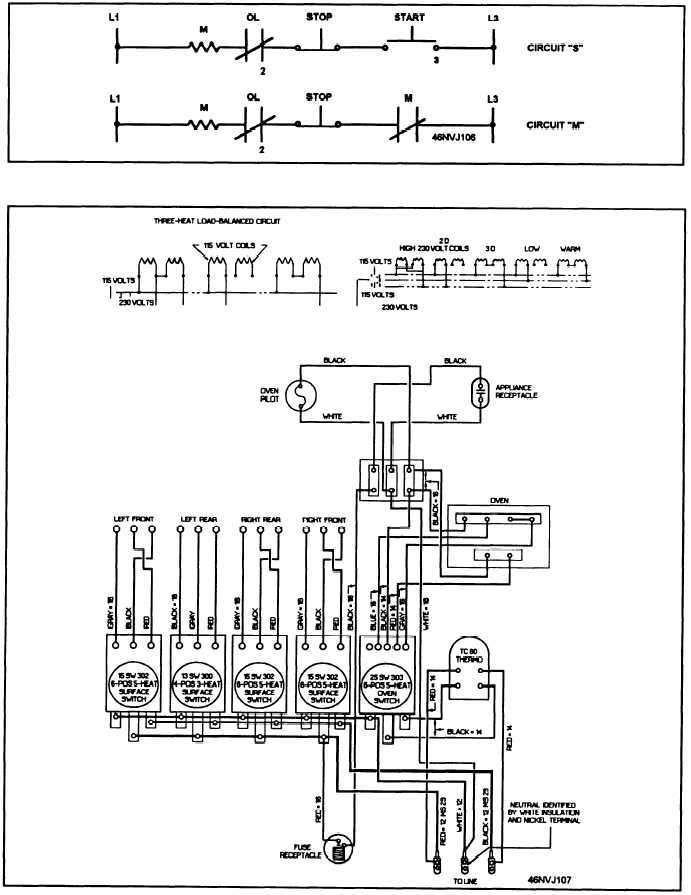
Ensure the power supply matches the appliance rating. Use a dedicated 220-240V circuit with a properly rated breaker to prevent overheating or electrical faults during operation.
Check terminal screws and connections for tightness before applying power. Loose connections can cause arcing, damage to components, or unreliable heating performance.
Label all lines clearly including live, neutral, and ground. Correct identification prevents reversed connections that could compromise safety and functionality.
Use heat-resistant cables and insulation suitable for high-current loads. This reduces the risk of melting or short circuits when the appliance draws full power during peak heating cycles.
Verify functionality step by step by switching on each heating element individually. Measure current draw to confirm it aligns with the rated specification and avoid overloading the supply.
Electric Stove Connection Guide
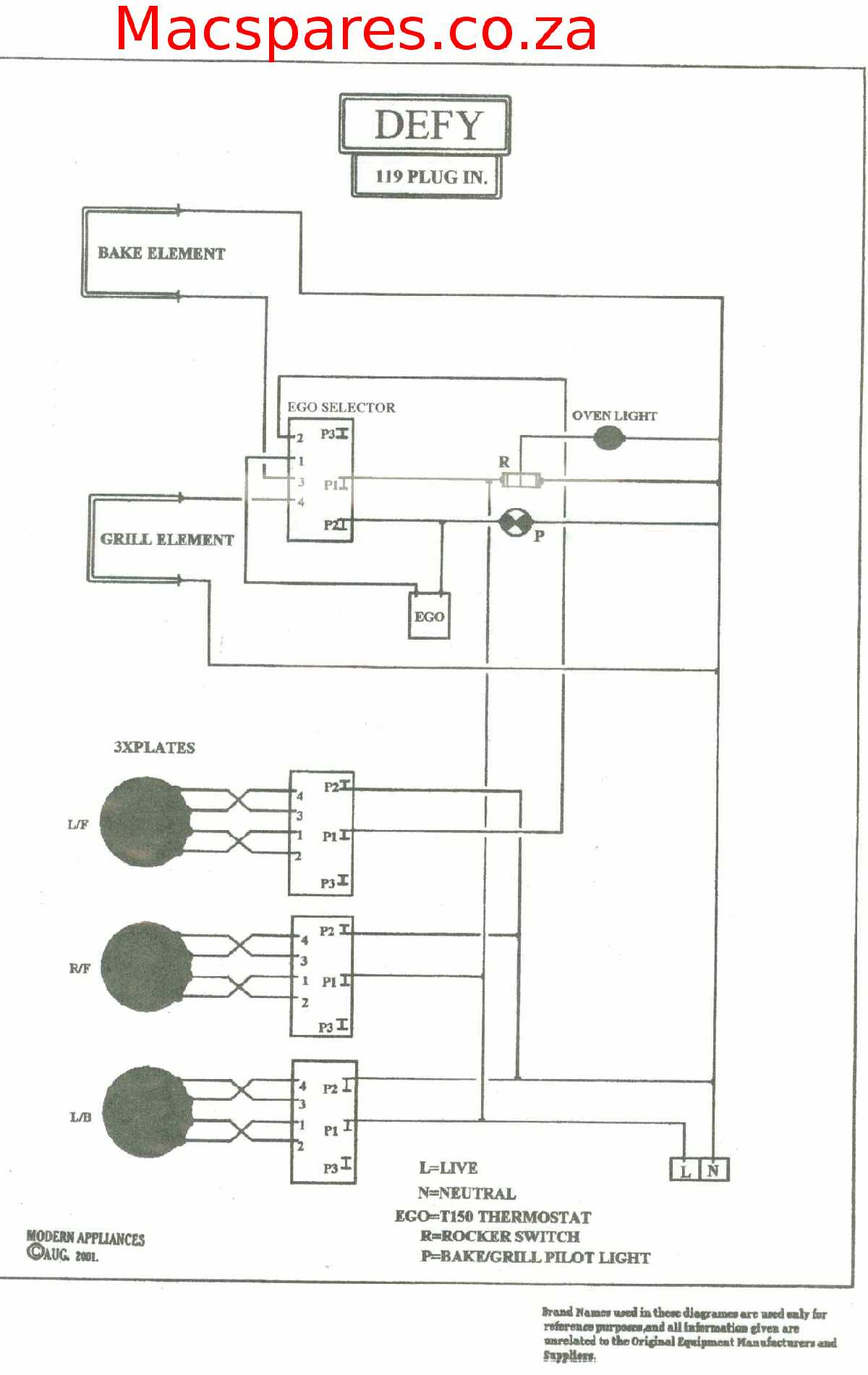
Verify the power supply rating before connecting the appliance. Use a dedicated 220-240V line with a breaker rated for at least 30A to prevent overheating or short circuits during high-load operation.
Secure all terminal connections tightly including live, neutral, and grounding wires. Loose screws can cause sparking, uneven heating, and potential damage to internal components.
Test each heating element individually after connection. Measure the current draw with a multimeter to ensure it matches the specified ratings, and inspect for any abnormal heating or voltage drop across terminals.
Select Proper Power Supply and Circuit Breaker
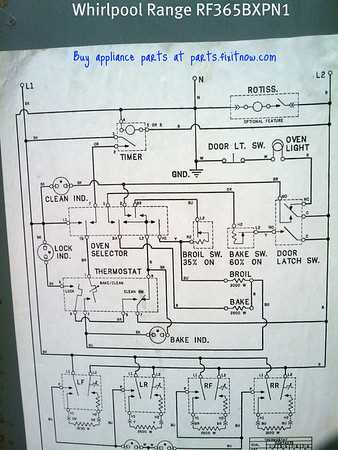
Use a dedicated high-current line rated for 220-240V with minimal voltage drop. Ensure the cable gauge supports at least 30A to handle peak heating loads without overheating.
Install a breaker that matches the appliance’s maximum current draw. A 30A double-pole breaker provides reliable protection while allowing sufficient margin for temporary surges during element activation.
Check grounding and neutral connections to prevent electrical hazards. Grounding must be continuous, and the neutral should carry only return current to avoid overheating or tripping the breaker prematurely.
Consider using a surge protector or line filter. This reduces the risk of voltage spikes affecting heating elements or internal electronics, extending the lifespan of the appliance.
Test the supply line with a clamp meter or multimeter before final connection. Confirm voltage consistency under load to avoid unexpected shutdowns or uneven heating during normal operation.