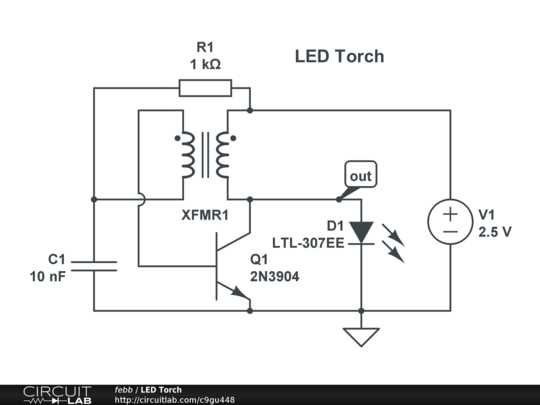
Use a standard 3V battery with a single LED for a compact portable illuminator. Connect the positive terminal to a small resistor rated at 220 ohms to limit current and prevent overheating of the light element.
Position the switch inline between the power source and the emitter to control the flow of electricity without causing short circuits. Ensure all metallic contacts are clean and secure to maintain consistent brightness.
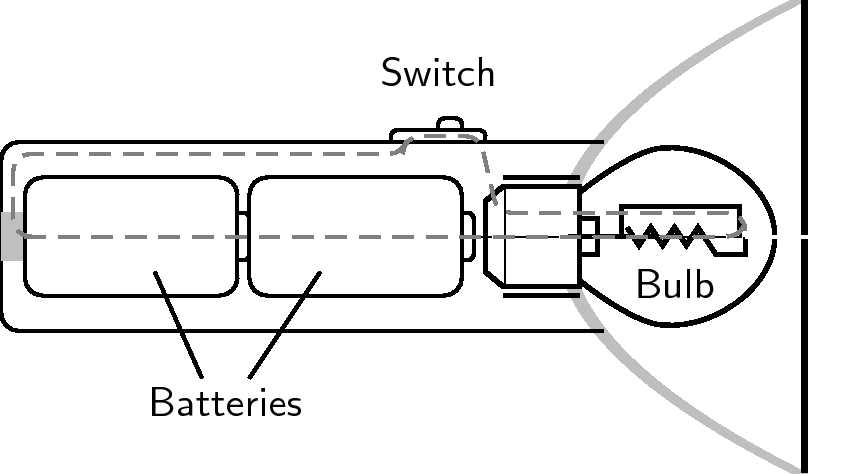
Select wires with low resistance, ideally 22–24 AWG, to reduce voltage drop and maintain stable operation. Mount components on a small breadboard or solder onto a perforated board for a reliable assembly that withstands movement.
A Circuit Layout for a Handheld Light
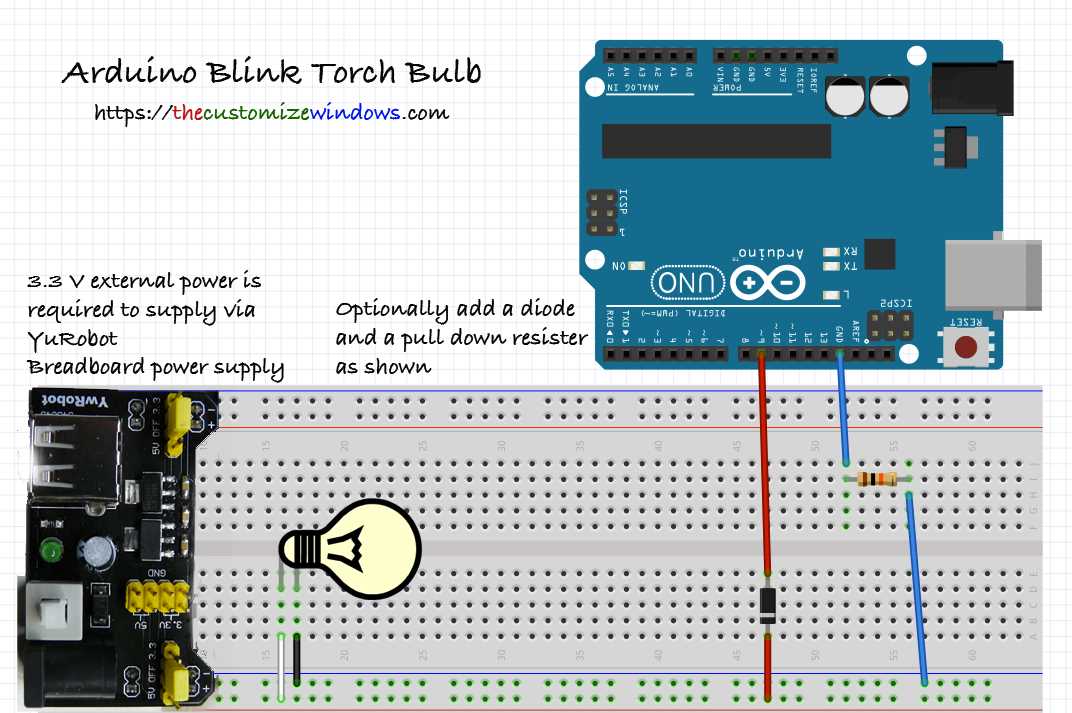
Start by connecting a 3V coin cell battery to a single LED through a 220-ohm resistor to control current. Position the positive lead from the battery to the resistor first, then attach it to the anode of the LED.
Install a small SPST switch between the power source and the emitter to turn the light on and off without creating a short. Ensure the switch contacts are fully engaged for reliable operation.
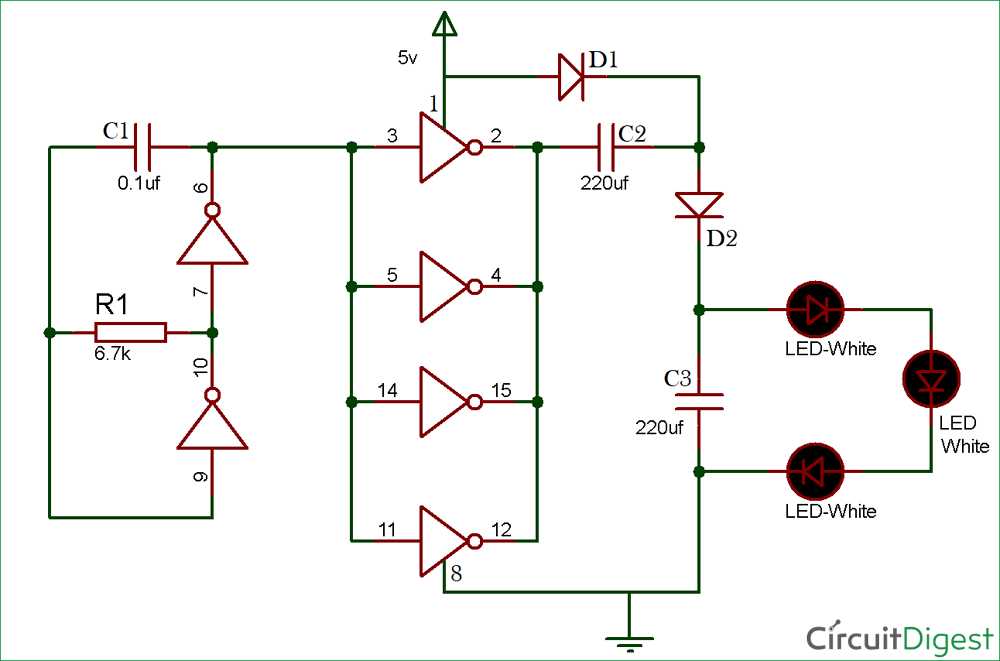
- Use 22–24 AWG copper wire for all connections to reduce energy loss.
- Twist and solder wires where possible to prevent disconnections during handling.
- Insulate exposed contacts with heat shrink tubing or electrical tape to avoid accidental shorts.
Arrange components on a compact breadboard or perfboard. Keep the LED elevated slightly to allow airflow and reduce heating over prolonged use.
Check polarity before connecting the battery. Reversing the LED leads will prevent it from lighting and could damage the component if power is applied continuously.
- Attach the resistor to the positive battery terminal.
- Connect the resistor to the LED anode.
- Link the LED cathode to the switch, then the switch back to the battery negative terminal.
Test the assembly by activating the switch. Adjust wire lengths to minimize tension and prevent strain on solder joints for long-term durability.
Identifying Key Components and Their Connections
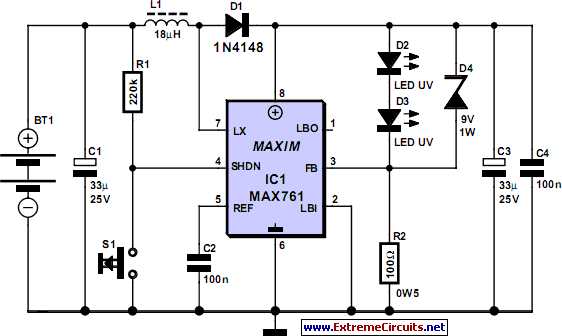
Begin by selecting a suitable LED rated for 20 mA with a forward voltage of 2V. Pair it with a resistor calculated using Ohm’s law: R = (V_supply − V_LED) / I_LED. For a 3V battery, use a 50-ohm resistor for precise current control.
Include a small SPST switch to manage power flow. Connect one terminal to the LED cathode and the other to the negative battery terminal to ensure safe on/off operation. Confirm that switch contacts are rated above the LED current.
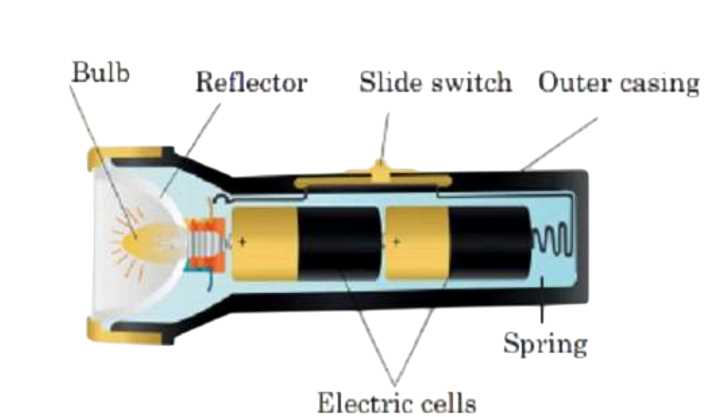
Use insulated copper wires of 22 AWG for short connections, and maintain minimal distance between components to reduce resistance and voltage drop. Secure each lead with solder and reinforce with heat shrink tubing for stability under frequent handling.
Verify polarity before completing assembly: the LED anode must attach to the resistor output, and the cathode must connect to the switch. Test the setup by applying power briefly, checking for consistent brightness without flickering or heating that exceeds component limits.