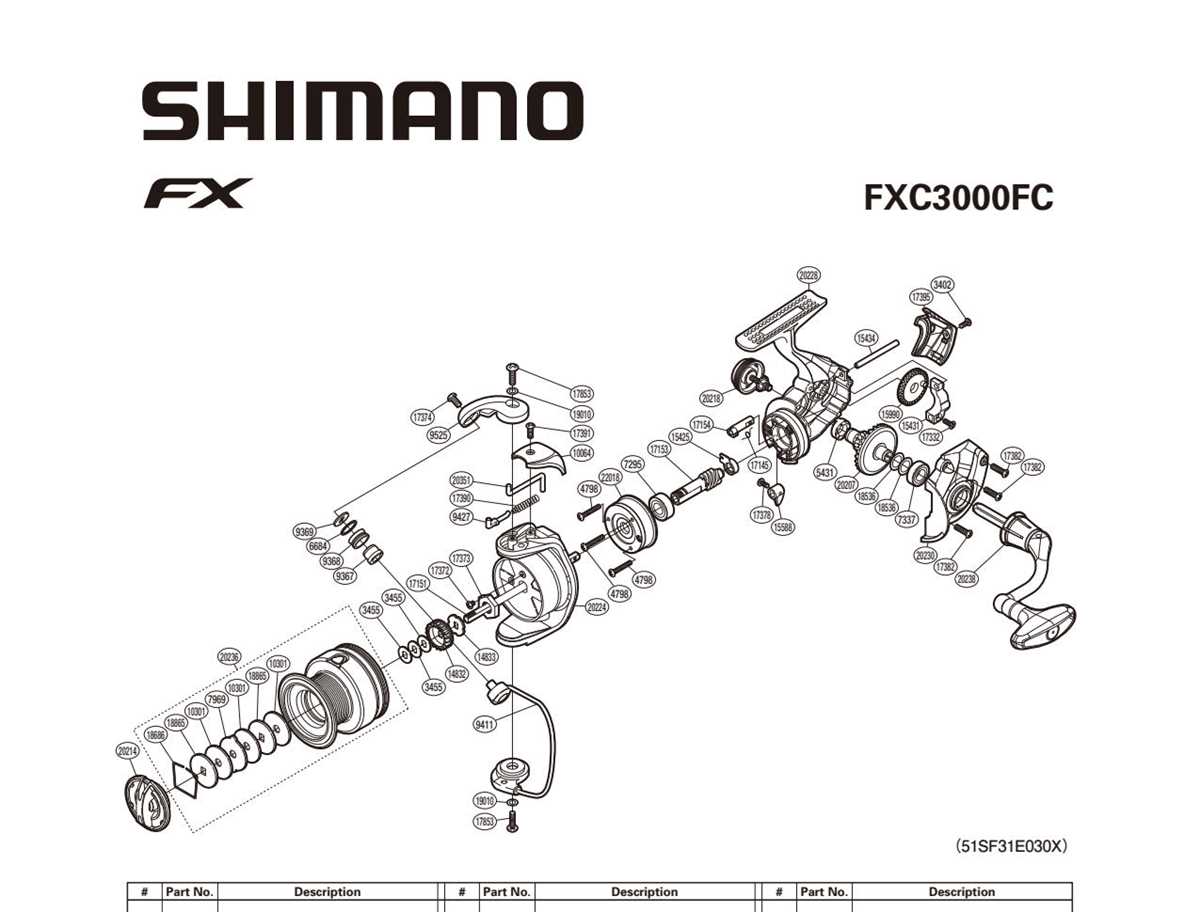
If you’re looking to fix or replace specific components of your fishing equipment, understanding each part’s function and its placement is key. Start by reviewing the breakdown of your equipment’s internal components. For smooth operation, regular maintenance and timely repairs are a must.
Begin with checking for worn-out or damaged sections, as these can affect performance. Common issues like a stuck spool or irregular drag can often be fixed with simple part replacements. Ensure you’re familiar with the parts list to quickly identify what needs replacing.
When replacing broken components, use high-quality replacements designed for your model. This will not only prolong the lifespan of your gear but also improve its reliability on the water. Take care of key components like bearings, gears, and line guides, as these are prone to wear with frequent use.
Understanding the Key Components of Your Fishing Equipment
To ensure your gear is operating at its best, it’s important to familiarize yourself with its internal structure. The main components you need to focus on include the spool, drag system, bearings, and drive gears. Each of these elements plays a significant role in the smooth functioning of your gear, so keeping them well-maintained is crucial.
Start with the spool, which is responsible for holding the line. Inspect it for any signs of wear or damage, such as cracking or excessive friction. A damaged spool can lead to line issues or even breakage. The drag system, which controls the tension of the line, should be tested for smoothness and consistency. Any irregularity in the drag can affect your ability to land fish successfully.
Next, check the bearings and gears. Bearings should be lubricated regularly to reduce friction and prevent corrosion. Worn or rusted bearings can cause noise and affect performance. Gears, particularly the drive gear, must mesh smoothly to ensure efficient operation. Misaligned or worn gears can lead to slipping or jerky movement, reducing the effectiveness of your equipment.
How to Identify Key Components in Fishing Gear
Begin by inspecting the following elements:
- Spool Assembly: Check for smooth rotation and ensure no wobble. The spool should engage with the line smoothly and not be misaligned.
- Drag Mechanism: Turn the drag dial to test the resistance. It should adjust evenly across all settings, providing consistent tension.
- Handle: Tighten the handle and check for any looseness. It should rotate smoothly without any play or resistance.
- Gear System: Rotate the handle to ensure the gears mesh seamlessly. Listen for any grinding noises that could indicate wear.
- Bearings: Spin the bearings manually. They should rotate without any roughness or noise, indicating smooth operation.
- Anti-Reverse Feature: Pull the handle gently in reverse to ensure the mechanism locks instantly, preventing backward movement.
Performing these checks will help identify and maintain the key components, preventing premature wear and ensuring optimal performance.
Step-by-Step Guide to Replacing Fishing Gear Components
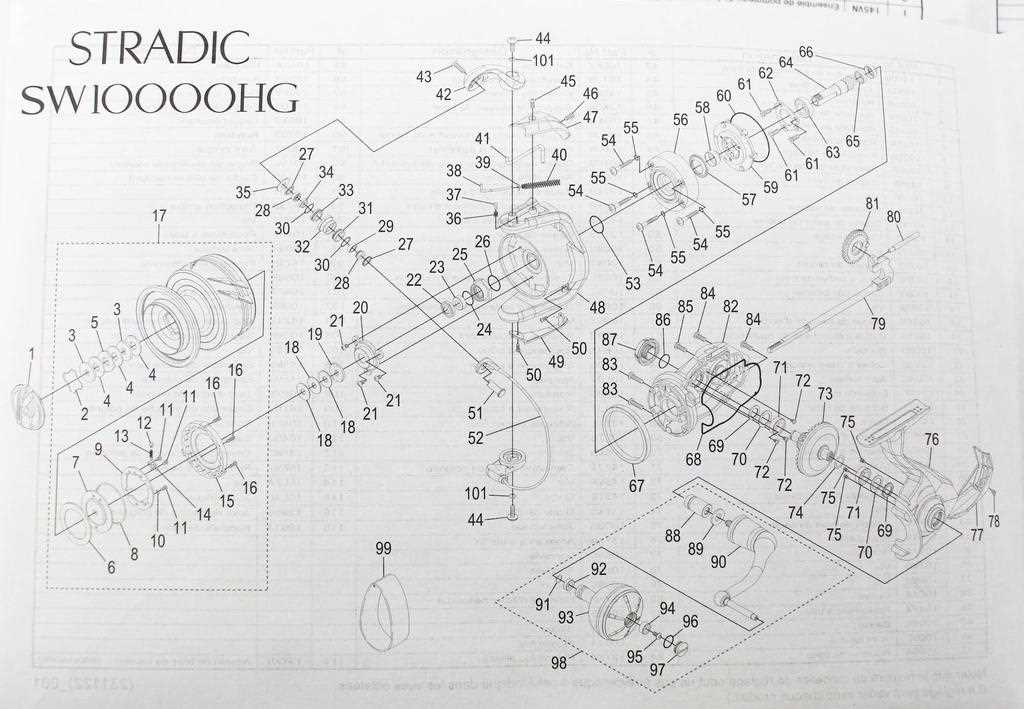
Follow these steps to replace key elements of your equipment:
- Disassemble the Gear: Remove the handle and unscrew the body. Keep track of small components like washers and screws. Place them in an organized manner.
- Inspect the Damaged Component: Identify the broken or worn-out part, whether it’s the drag system, spool, or gear. This is the part to replace.
- Remove the Old Part: Using appropriate tools, gently remove the damaged component. If necessary, use a soft cloth to grip slippery parts.
- Install the New Component: Align the new part correctly and ensure it’s securely fitted in place. Apply any lubrication as needed to ensure smooth operation.
- Reassemble the Gear: Reattach the body and handle, ensuring everything is tightly secured. Avoid over-tightening screws.
- Test Functionality: Spin the handle to check the smoothness of movement. Test all features (drag, anti-reverse, spool tension) to ensure proper operation.
These steps will help you replace worn-out components and maintain your equipment’s performance.
Common Issues in Fishing Gear and How to Fix Them
1. Gear Slippage: If the gear slips or doesn’t engage properly, check the drive gear and pinion gear. Clean them thoroughly, and if needed, replace the worn-out components. Lubricate the gears with appropriate grease to ensure smooth operation.
2. Handle Not Turning Smoothly: This could indicate an issue with the bearing or the handle assembly. Inspect the handle and bearing for any dirt or damage. Clean or replace the bearing, then reassemble carefully.
3. Drag Not Working Properly: If the drag is too tight or too loose, check the drag washers. Over time, these washers can wear out. Replace them with new ones and apply proper lubrication to ensure the drag system functions smoothly.
4. Spool Tension Issues: If the spool is not winding evenly or gets stuck, check for debris around the spool and bearings. Clean and lubricate these components to restore smooth function.
5. Loud Clicking Sound: A loud clicking sound may be caused by a misaligned anti-reverse mechanism or worn bearings. Inspect the anti-reverse clutch, clean or replace it as needed, and lubricate all moving parts.
6. Broken Bail Arm: If the bail arm is not functioning or is broken, remove the old bail and replace it with a new one. Ensure proper alignment before tightening the screws.
By following these steps, you can address common issues and restore the functionality of your equipment.