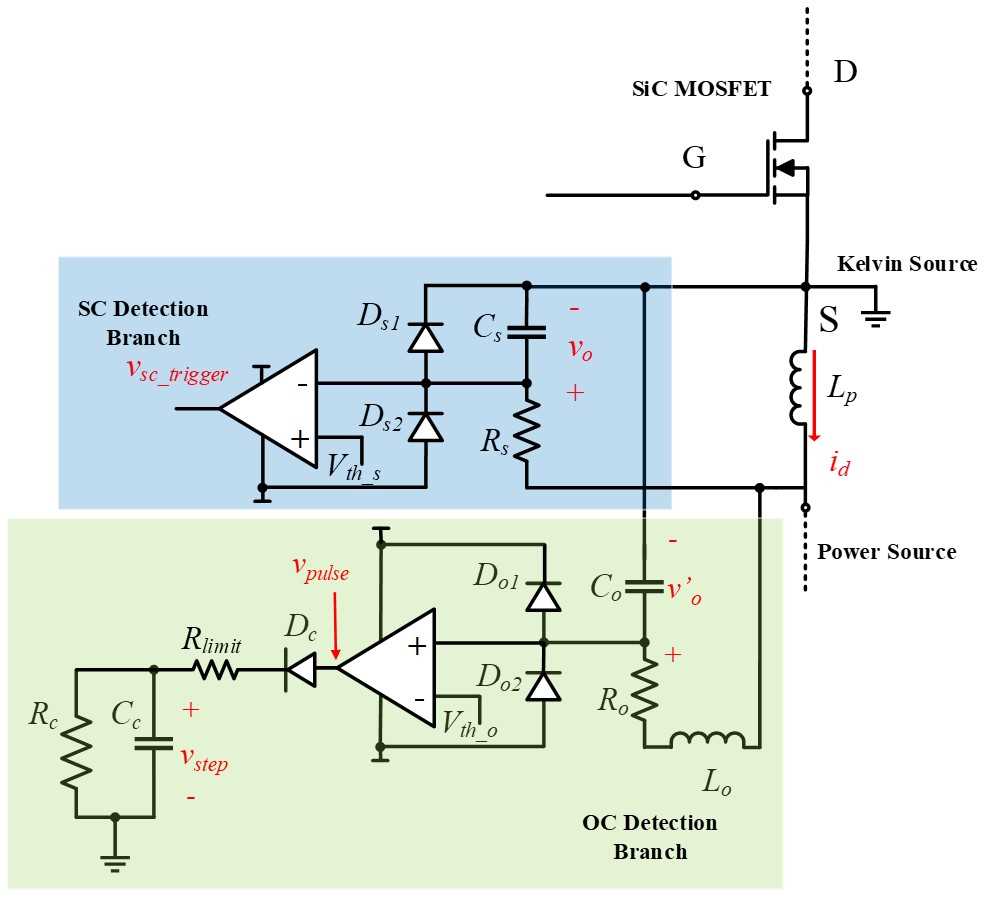
Select a fuse rated slightly above the normal load to allow standard operation while cutting off excessive flow. Use fast-blow or slow-blow types depending on whether the load has short-term spikes or steady draw.
Include resistors or PTC thermistors to limit excessive flow in sensitive sections. Verify wattage ratings to ensure components can handle peak conditions without degradation.
Connect protective elements close to the supply entry point. Minimize lead length to reduce voltage drop and response time. Ensure secure terminal connections to prevent arcing or intermittent interruptions.
Test the assembly with a controlled load to confirm the trip points operate as expected. Measure voltage drop and component temperature to ensure safe operation under simulated overload conditions.
Overload Trip Guide
Select a fuse rated slightly above the expected load to allow normal operation while cutting off excessive flow. Fast-blow fuses handle steady loads, whereas slow-blow types accommodate temporary spikes without tripping unnecessarily.
Integrate PTC thermistors or resistors in series with sensitive sections. Confirm wattage ratings to ensure they can withstand peak draw without overheating or degrading over time.
Position protective components close to the main supply entry point.
- Reduce lead length
- Minimize voltage drop
- Ensure rapid response to excessive flow
Secure all connections
tightly to prevent arcing or intermittent faults.
Include visual indicators such as LEDs or pilot lamps in parallel with the protective device. Check resistor values to limit current through the indicator while showing the status clearly under normal and fault conditions.
Test the assembly with a controlled load and gradually increase draw to verify trip thresholds. Measure voltage drop, thermal rise, and response time to ensure components operate within safe limits during overload conditions.
Regularly inspect all terminals, fuses, and series devices. Replace worn components promptly to maintain reliability. Keep enclosures clean and free from dust or moisture that could create leakage paths or reduce the effectiveness of the overload response.
Choosing the Right Fuse and Components
Select a fuse rated slightly above normal load to allow standard operation while cutting off excessive flow. Fast-blow types are suitable for steady loads, while slow-blow variants handle brief spikes without unnecessary tripping.
Resistors and Thermistors
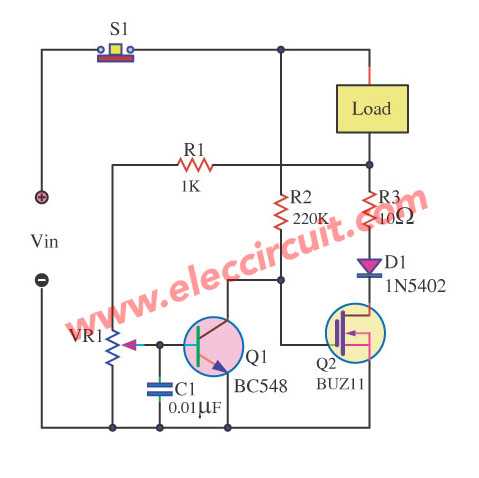
Use series resistors or PTC thermistors to limit excessive flow in sensitive sections. Verify wattage and resistance ratings to ensure components can withstand peak conditions without overheating or degrading over time.
Position fuses and series devices close to the supply entry point. Minimize lead lengths to reduce voltage drop and improve response time. Tighten all terminal connections to prevent arcing and intermittent failures.
Indicators and Auxiliary Components
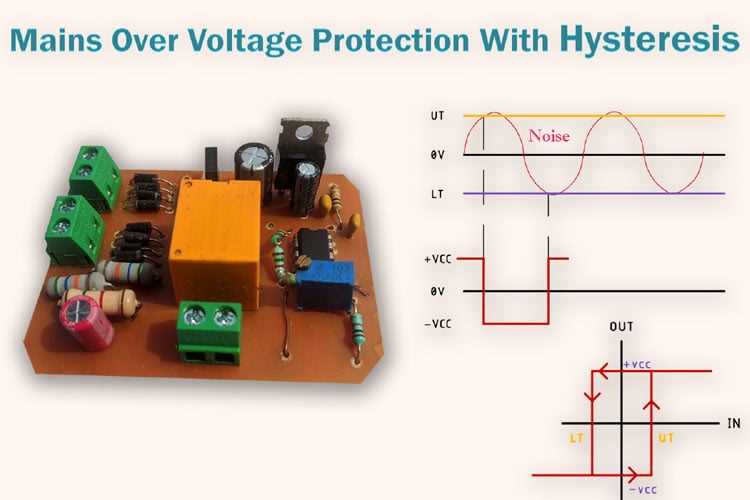
Include visual indicators like LEDs or pilot lamps in parallel with protective devices. Choose appropriate resistors to limit current through the indicator while clearly signaling operational status or trip events.
Test the assembly with a controlled load, gradually increasing draw to verify trip thresholds. Measure voltage drop, response time, and thermal rise to ensure safe operation under fault conditions.
Inspect fuses and series devices periodically. Replace worn or degraded components immediately to maintain reliability. Keep enclosures free from dust and moisture to prevent leakage paths that could compromise device function.