Ensure proper attachment of the charging unit by identifying the main terminal and confirming a secure connection to the positive post of the starting battery. Use a high-amp rated cable and tighten the clamp to prevent voltage drops.
Grounding is critical for stable operation. Attach the negative side directly to a clean metal surface on the engine block or chassis. Inspect for corrosion and clean contact points to maintain consistent current flow.
Check the internal regulator setting before final installation. Many single lead generators have built-in regulation, so ensure the output voltage matches the battery requirements. Use a digital multimeter to verify voltage at idle and under load to prevent overcharging or undercharging.
Secure all connections with protective covers to prevent accidental shorts. Route the cable away from moving parts and high-heat areas to extend the life of the installation and maintain vehicle safety.
Complete Guide to Connecting a One Lead Generator for Vehicle Charging
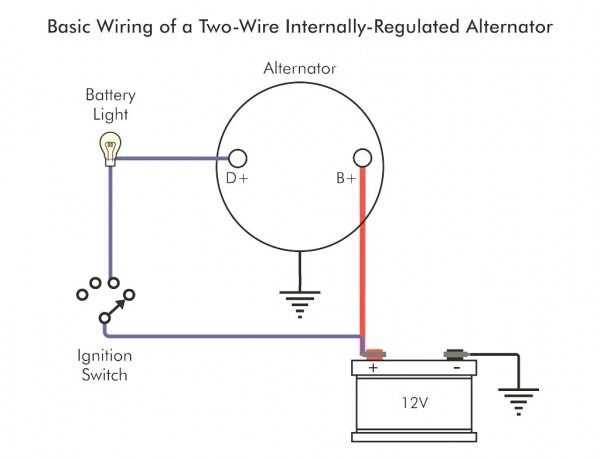
Begin by identifying the single output terminal on the charging unit and connecting it directly to the positive post of the starter battery. Use a cable rated for at least 10% above the maximum output amperage to avoid overheating during prolonged operation.
Ensure the engine block provides a solid ground path. Attach the negative side to an unpainted, corrosion-free metal surface. Test continuity with a multimeter to confirm minimal resistance before operating the generator.
Verify the built-in regulator settings by measuring output voltage at idle and at 2,500 RPM. Adjust the terminal connection if necessary to maintain a stable charging voltage between 13.8 and 14.5 volts for a standard 12-volt system.
Route the output cable away from heat sources and moving components. Secure it with clamps and protective sleeves to prevent insulation wear and accidental shorts that could damage the charging unit or electrical system.
Inspect the alternator mount for tightness and alignment. Improper tension on the drive belt can cause slippage and reduced charging efficiency. Check belt condition and adjust tension to manufacturer specifications before final testing.
After initial connection, monitor battery performance for at least 30 minutes under normal engine load. Look for consistent voltage rise without significant drops to ensure the generator is delivering adequate current and the system is stable.
Install a protective cover over the output terminal to prevent accidental contact with metal tools or engine components. Regularly inspect connections and clean terminals to maintain long-term reliability and prevent corrosion from affecting charging performance.
Identifying the Generator Terminals and Vehicle Connections
Locate the main output terminal on the charging unit and connect it directly to the positive post of the primary storage cell. Ensure the terminal is clean and free of corrosion to maintain optimal conductivity and prevent voltage drops.
Check the mounting points and grounding path. Attach the negative lead to an unpainted metal surface on the engine block. Confirm continuity with a multimeter to guarantee minimal resistance between the generator body and the vehicle frame.
Identify the regulator lead if present, which may appear as a small terminal marked “F” or “S”. This lead stabilizes voltage output and can influence charging performance if not properly connected to the ignition or voltage sensing circuit.
Inspect auxiliary terminals for any diagnostic or indicator functions. Some units include an “L” terminal for lamp connection to monitor charging status. Connect this only according to the manufacturer’s specifications to avoid short circuits.
Route cables safely away from moving components and high-heat zones. Use protective sheaths and clamps to prevent abrasion and maintain long-term reliability of the electrical path from the generator to the battery system.
After all connections are secured, perform a voltage check. Start the engine and measure the voltage at the battery terminals to verify proper current delivery and ensure that the generator is functioning correctly under load conditions.