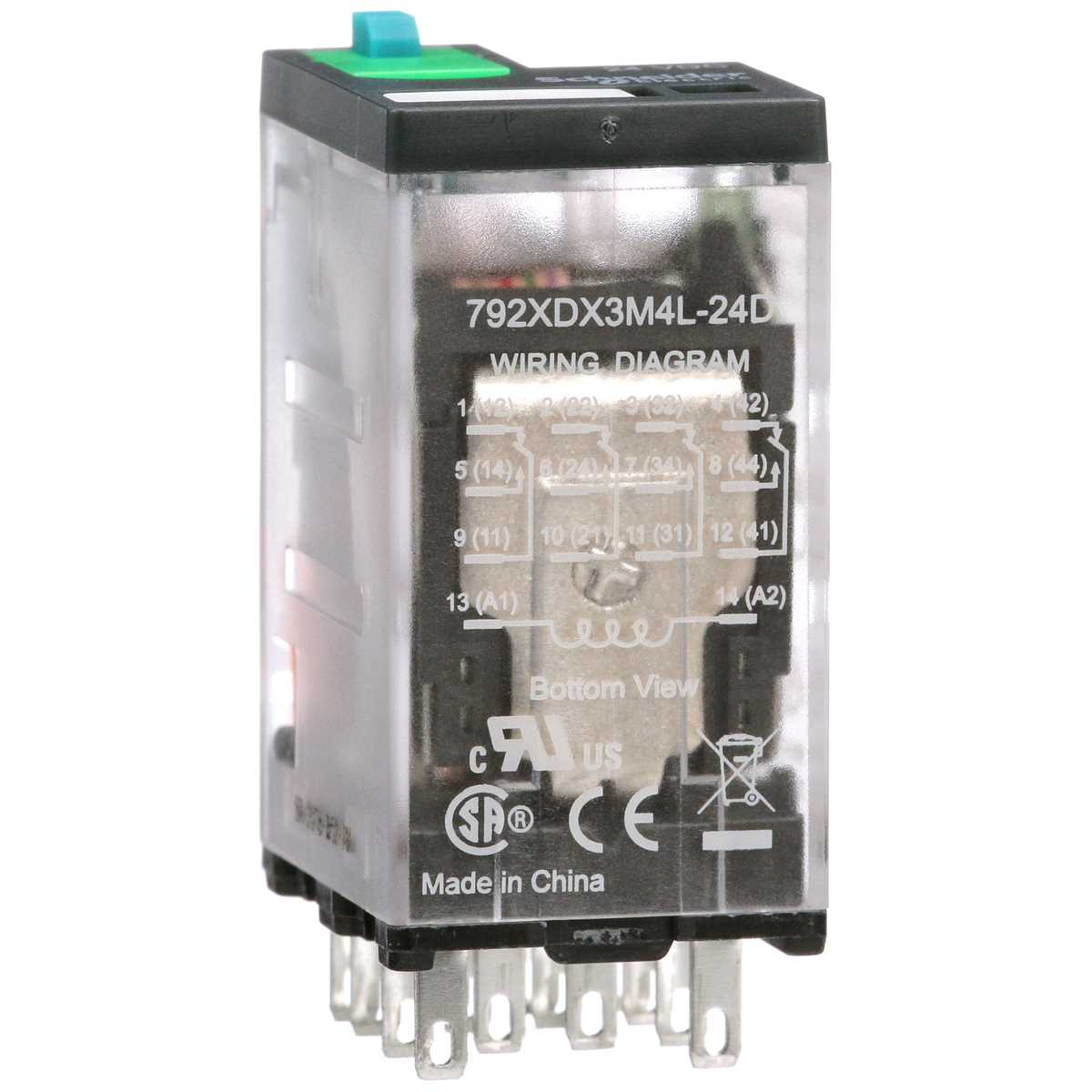
Ensure proper identification of coil and contact points before applying any current. Mislabeling terminals can cause shorts or prevent proper operation. Use a multimeter to confirm continuity between pins.
Maintain consistent polarity across all input and output paths. Some modules have polarized coils that can fail if reversed. Mark positive and negative lines clearly to avoid mistakes during assembly.
Secure mounting reduces vibration-related faults. Fasten the component to a stable surface to prevent loose connections and contact wear. Tightening screws without over-torquing ensures reliable performance.
Use appropriately rated conductors for each connection. Cross-check amperage limits against load requirements. Undersized wires can overheat and degrade insulation, leading to intermittent failures or fire hazards.
Compact Electromechanical Switch Connection Guide
Identify coil terminals accurately before energizing the module. Use a continuity tester to confirm which pins form the electromagnetic coil. Misidentification can result in short circuits or failure to actuate the contacts.
Attach the control voltage lines securely. Soldering or crimped connectors rated for the coil’s current prevents loose connections. Check voltage ratings to avoid overloading and potential insulation breakdown.
Connect load terminals according to current flow. Mark input and output paths clearly, ensuring that contacts handle the load amperage without excessive heating. Oversized loads require protective fuses inline with the terminals.
Install the component on a stable, non-conductive surface. Prevent vibration or accidental shorts by securing the device with screws or brackets. Maintain clearance from metallic surfaces to avoid unintended grounding.
Verify contact operation mechanically before applying full power. Press the actuator manually or use a low voltage source to ensure the switch engages and releases smoothly. Adjust alignment if contacts bind or fail to snap properly.
Use protective elements for sensitive circuits. Flyback diodes across the coil terminals prevent voltage spikes that can damage semiconductor controls. Ensure diode orientation matches polarity to absorb transient energy effectively.
Identifying Coil and Contact Terminals
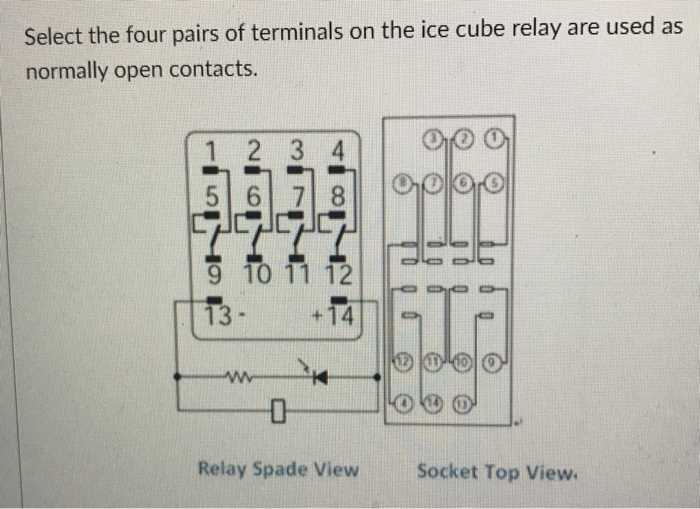
Test each pin with a multimeter to locate the electromagnetic coil connections. Measure resistance across terminals; the coil will show a low but measurable ohmic value. Pins with infinite resistance are likely part of the load contacts.
Label terminals clearly to prevent cross-connection. Use colored markers or adhesive labels to distinguish control inputs from output paths. This reduces the risk of miswiring during installation.
Check for polarity indicators on the module housing. Some devices mark coil terminals with “+” and “-” symbols, which helps prevent incorrect voltage application that could degrade performance.
Trace contact pins using continuity testing. With no power applied, use a tester to determine which terminals close when the coil is energized. This confirms the normally open (NO) and normally closed (NC) configurations.
Observe mechanical operation during testing. Apply a controlled voltage to the coil and watch the movement of contacts. This ensures that identified pins correspond to expected switching behavior and reduces troubleshooting later.
Distinguishing Load Paths from Control Lines
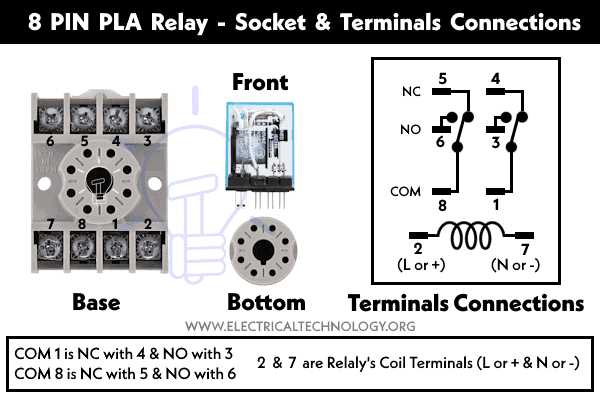
Measure voltage drop under low-current conditions. Apply a small test current to suspected contact terminals; proper load paths should conduct fully with minimal voltage drop. Coil pins will not pass significant current.
Use a circuit tester to confirm switching sequence. Connect indicators or LEDs to suspected contacts while energizing the coil. Verify which pins close and open in sequence to map functional connections accurately.
Document Terminal Assignments
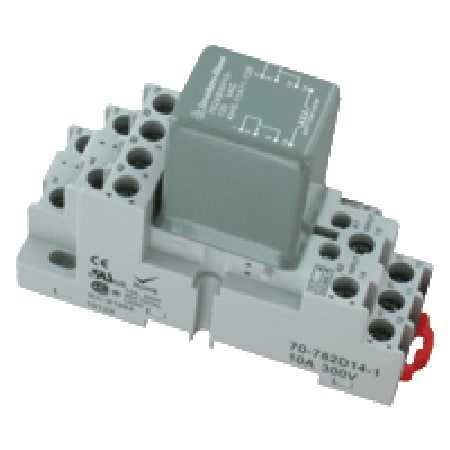
Create a reference chart for installation and maintenance. Record each terminal’s function, pin number, and expected voltage range. A detailed chart prevents errors during replacements or integration into larger control panels.