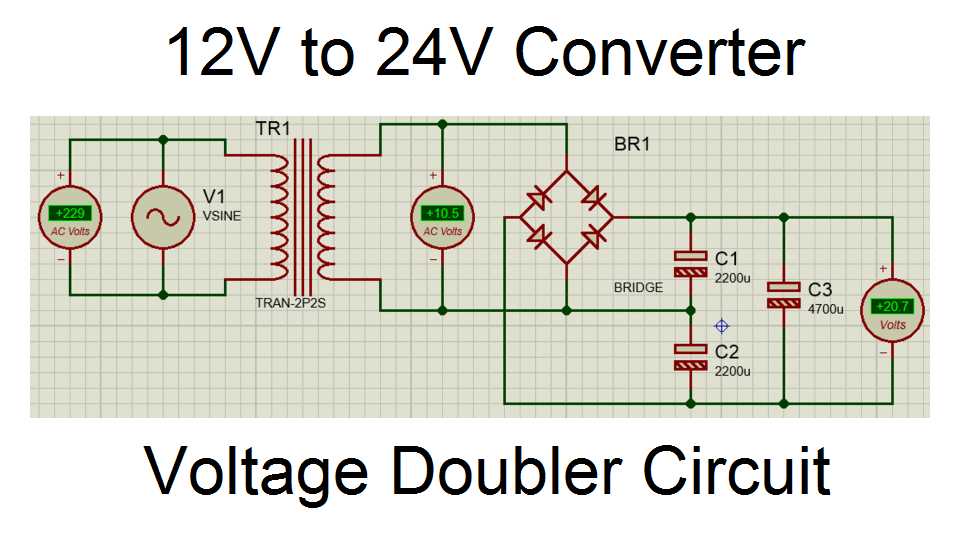
Use a buck-type regulator with a switching transistor to safely lower a high-voltage DC source to a stable low-voltage output suitable for small electronics. Include a heat sink to prevent thermal overload during continuous operation.
Select inductors and capacitors rated for at least 25% above your maximum input voltage to ensure ripple reduction and maintain steady output under load variations. Ceramic capacitors help reduce high-frequency noise while electrolytic capacitors provide bulk energy storage.
Integrate a diode with low forward voltage drop to minimize energy loss in the path from input to output, ensuring high conversion efficiency. Schottky diodes are preferred for switching regulators due to their fast response.
Monitor output voltage with a digital multimeter while adjusting potentiometers on the regulator board to achieve precise low-voltage settings. Ensure no overcurrent occurs by using inline fuses rated slightly above your load requirements.
Check connection polarity carefully to prevent reverse biasing components, which can lead to permanent damage of the module. Always test with a small resistive load before connecting sensitive electronics.
Step-Down DC Module Construction and Setup
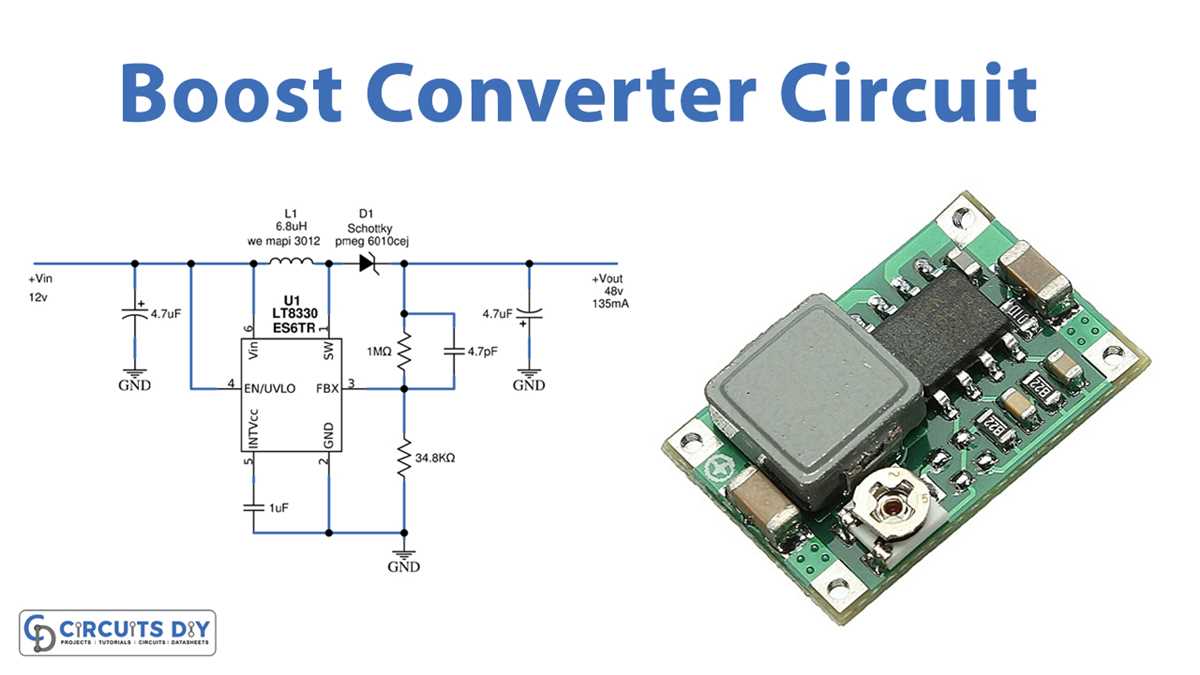
Begin with selecting a switching regulator board rated for at least 30% above the high-voltage input to handle current spikes. Solder input and output terminals carefully, ensuring secure connections that will support repeated load changes without loosening.
Install filter capacitors and an inductor in the power path to smooth voltage fluctuations. Use a Schottky diode in series with the input to reduce energy loss and prevent backflow. Test the module with a resistive load before connecting sensitive electronics to verify stable low-voltage output.
Adjust the onboard potentiometer while monitoring voltage with a multimeter to set precise output levels. Add a thermal pad or small heatsink to the switching transistor to maintain temperature under continuous operation. Ensure polarity is correct and fuse protection is included to prevent overloads or damage during setup.
Selecting Components for a Step-Down DC Module
Start with the switching regulator rated for at least 3 amperes to handle transient loads. Ensure it supports input voltages above 25 volts to maintain stability during peak conditions and avoid thermal shutdowns under continuous operation.
Choose capacitors with low equivalent series resistance to reduce voltage ripple. Place a high-capacity electrolytic capacitor at the input for bulk filtering and a smaller ceramic capacitor near the output for fast transient response.
Inductor selection is critical for smooth voltage regulation. Use a ferrite core inductor with a saturation current rating above the maximum load and a value between 100 to 220 microhenries for typical step-down applications, which balances ripple reduction with response time.
Include a fast-recovery diode on the output if using a non-synchronous regulator. Select a Schottky type with voltage tolerance above the input and current rating above the maximum load to minimize heat generation and energy loss during switching.
Adjustable resistors or a precision potentiometer can set the output voltage accurately. Ensure the potentiometer is rated for voltage and current in the module, and check connections with a multimeter before powering sensitive electronics to prevent overvoltage damage.