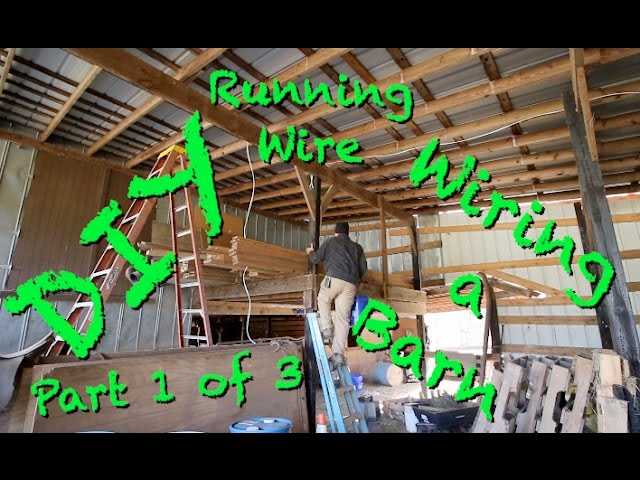
Install circuits according to load requirements by first calculating the total amperage needed for lighting, outlets, and machinery. Include a safety margin of at least 20% above anticipated usage to prevent overloads and frequent breaker trips.
Position main panels strategically near the structure’s central area to minimize conductor lengths. Use labeled branch circuits for separate functions such as lighting, tool outlets, and climate control systems to simplify future maintenance.
Select proper conductor types suited for the building environment. Use THHN or XHHW cables for indoor conduits and UF or outdoor-rated lines for exposed areas. Always ensure grounding conductors are sized according to code requirements for enhanced safety.
Distribute outlets and switches logically along walls and workstations to reduce reliance on extension cords. Place GFCI-protected outlets in damp or exterior locations and install dedicated circuits for heavy-duty equipment to avoid nuisance tripping.
Label all panels and junction points clearly to make troubleshooting faster. Use durable tags or permanent markers to indicate circuit function, breaker rating, and the specific section served by each line.
Incorporate surge protection to safeguard sensitive tools and electronics from voltage spikes. Consider whole-building protection at the main panel and additional point-of-use devices near valuable equipment.
Plan for future expansion by including extra breaker spaces in the main panel and routing conduits with additional capacity. Anticipate adding lights, outlets, or machinery without major modifications to the system.
Pole Barn Electrical Planning and Connection Strategies
Determine total load requirements by summing all devices, lighting, and machinery. Include a 25% margin for future additions to avoid circuit overloads and frequent breaker trips. Break down calculations by area to allocate branch lines effectively.
Position main panels and sub-panels strategically near central work zones. Use labeled circuits for lighting, outlets, and equipment, ensuring each section has independent protection to streamline maintenance and troubleshooting.
Select appropriate conductors and protection devices
- Use THHN or XHHW cables for indoor runs and UF-rated lines for exterior or exposed areas.
- Install GFCI outlets in damp zones and near entry points.
- Include surge protection at both main and sub-panels to protect sensitive electronics.
Plan outlet and switch placement logically to minimize extension cord use and distribute power evenly. Place heavy-load equipment on dedicated lines, and cluster lighting controls near entry points to simplify operation.
Prepare for expansion and safety compliance
- Reserve extra breaker slots in panels for future circuits.
- Run conduits with spare capacity to accommodate additional lines.
- Label all junctions, breakers, and panels clearly to meet code and facilitate maintenance.
Determining Power Requirements and Circuit Placement
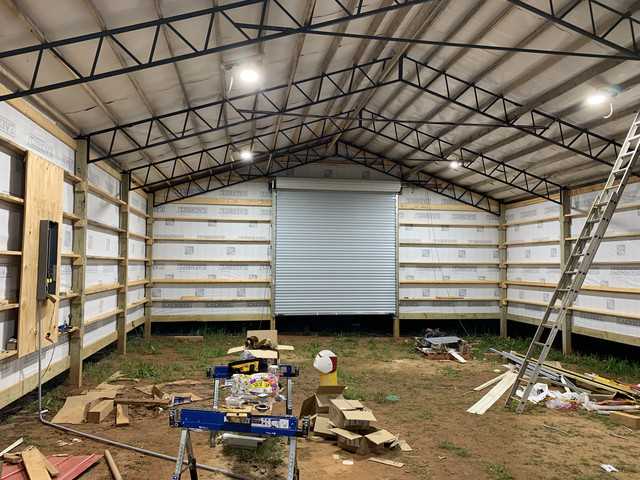
Calculate total load accurately by listing every device, lighting fixture, and machinery intended for use. Include peak power ratings and add a 20–30% buffer to prevent overloads during simultaneous operation. Separate calculations by zones to allocate branch lines efficiently.
Design circuits according to load type to prevent tripping and voltage drops. High-draw equipment such as compressors or heaters should have dedicated lines with proper breaker ratings. Light-duty outlets can share circuits but maintain GFCI protection in moisture-prone areas.
Plan panel locations to minimize line length and voltage loss. Centralize the main panel where feasible, and install sub-panels near remote work areas. Use clearly labeled circuits to identify zones, making troubleshooting and future modifications faster and safer.
Anticipate future expansions by leaving extra breaker slots and running conduits with spare capacity. Document each line and connection point thoroughly, marking amperage limits and intended usage to ensure safety compliance and simplify upgrades later.