When studying equine anatomy, it’s critical to familiarize yourself with the main structures that influence the animal’s movement and health. Focus on the muscle groups, bones, and joints that support its overall function. For example, the legs are crucial for speed and strength, while the neck and back control posture and agility. Understanding these key components is fundamental for both caretakers and riders.
Refer to a well-labeled illustration for precise identification of each region. Knowing the location and role of each muscle, tendon, and ligament will help diagnose injuries or conditions. The visual representation allows for a quick reference to ensure you’re working with the correct area, whether you’re caring for the animal or preparing for veterinary treatment.
By analyzing the structure, you can also enhance training techniques, improving performance by focusing on the appropriate muscles. This will be valuable for both physical conditioning and therapeutic exercises. The more familiar you are with the internal layout, the better you can ensure the health and longevity of the animal.
How to identify key anatomical features in a horse body diagram
Start by locating the main muscle groups, particularly the forelimbs and hind limbs, which are critical for movement and strength. These areas support much of the animal’s weight and are essential for walking, running, and jumping. Pay attention to the muscles around the shoulder, the back, and the hips, as these are key to its agility and posture.
Next, focus on the skeletal structure. The spine and ribs provide structural support, while the legs and hooves bear the weight. Ensure to spot the joints, such as the knee and hock, which play a major role in mobility. These features often indicate areas prone to stress or injury.
Finally, identify the vital organs and respiratory system. The lungs and heart are located within the ribcage and are essential for the animal’s endurance and overall health. Knowing these areas will help with diagnosing health conditions and monitoring the horse’s performance during physical activities.
Understanding the function of each body part in a horse anatomy diagram
The head plays a key role in sensory input, with the eyes providing vision, ears detecting sound, and the nostrils assisting with scent identification. The mouth and teeth are critical for consuming food and beginning the digestive process.
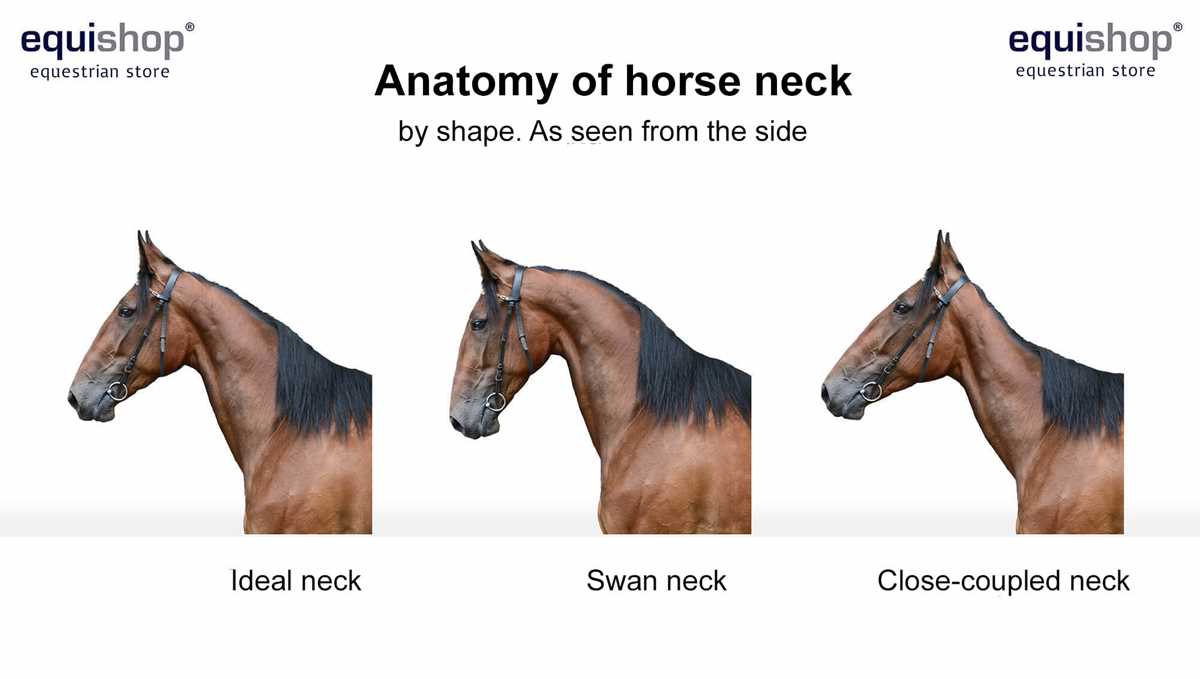
The neck is crucial for flexibility, allowing the animal to graze, forage, or interact with its environment. The muscles along the neck support head movement, essential for communication and balance during motion.
The front limbs are primarily responsible for support and propulsion. The shoulder joints provide the necessary range of motion for forward movement, while the forelegs help distribute weight evenly across the body. The hooves at the end of each limb act as shock absorbers and provide traction during movement.
The torso, including the spine and ribs, serves to protect vital organs like the heart and lungs. The spine also plays a role in transmitting force from the hind limbs to the rest of the animal’s structure, allowing for coordinated movement.
The hind limbs are the primary source of propulsion, with strong muscles in the hips and thighs aiding in pushing the body forward. The tail is used for balance, communication, and controlling insects in the animal’s environment.