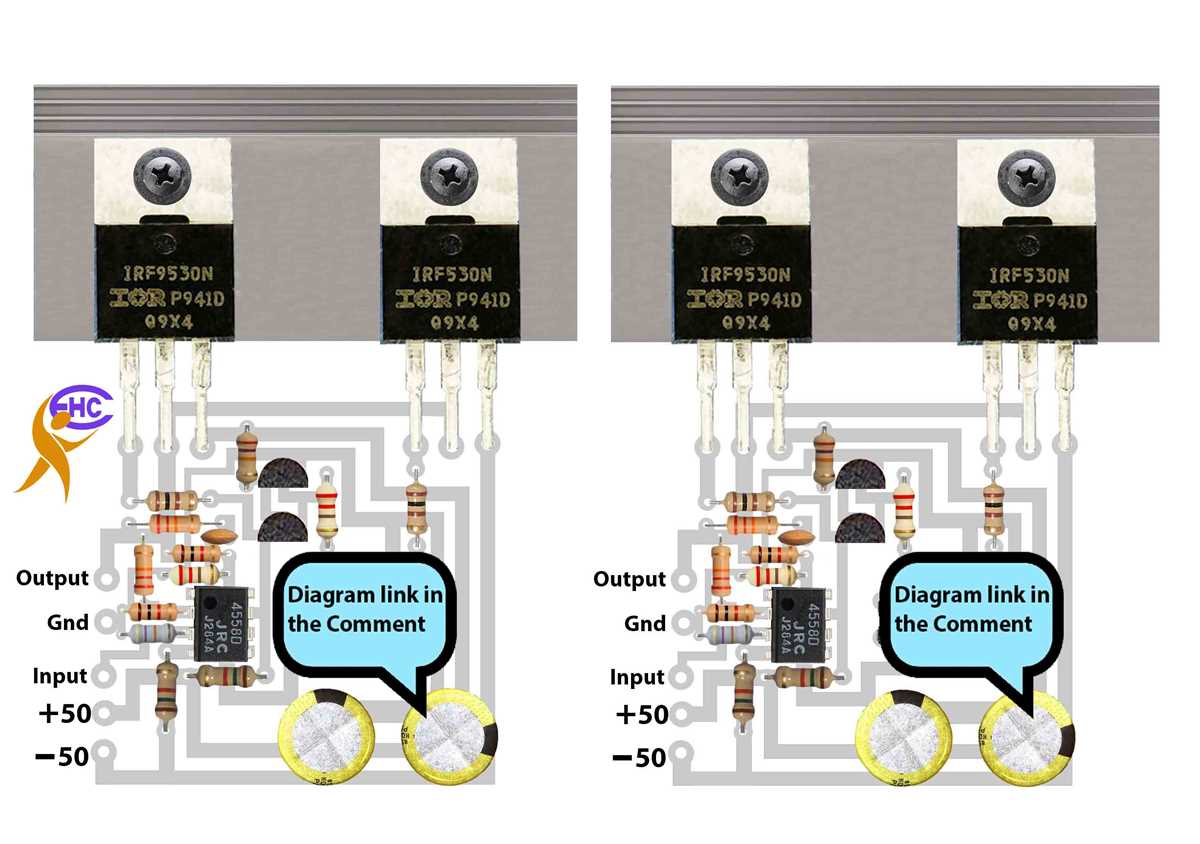
Use low Rds(on) enhancement-mode transistors rated for at least 100V and 20A to handle dynamic load swings without distortion. Opt for devices with a thermal resistance below 1.5°C/W to maintain stable operation under continuous output.
Place gate resistors between 10Ω and 22Ω to prevent oscillations and reduce switching noise. Coupling capacitors of 470µF or higher should be positioned close to the input stage to stabilize low-frequency response and minimize hum.
Follow a direct signal path layout with short, thick traces to reduce parasitic inductance. Ensure feedback loops are tightly routed near the output transistors to maintain gain linearity and protect against phase shifts that could cause instability.
Verify bias voltages using a digital multimeter before powering the setup fully. Adjust the idle current to around 50–100mA per transistor for a balanced trade-off between thermal dissipation and signal fidelity, preventing crossover distortion in push-pull configurations.
High-Current Transistor-Based Signal Booster Setup
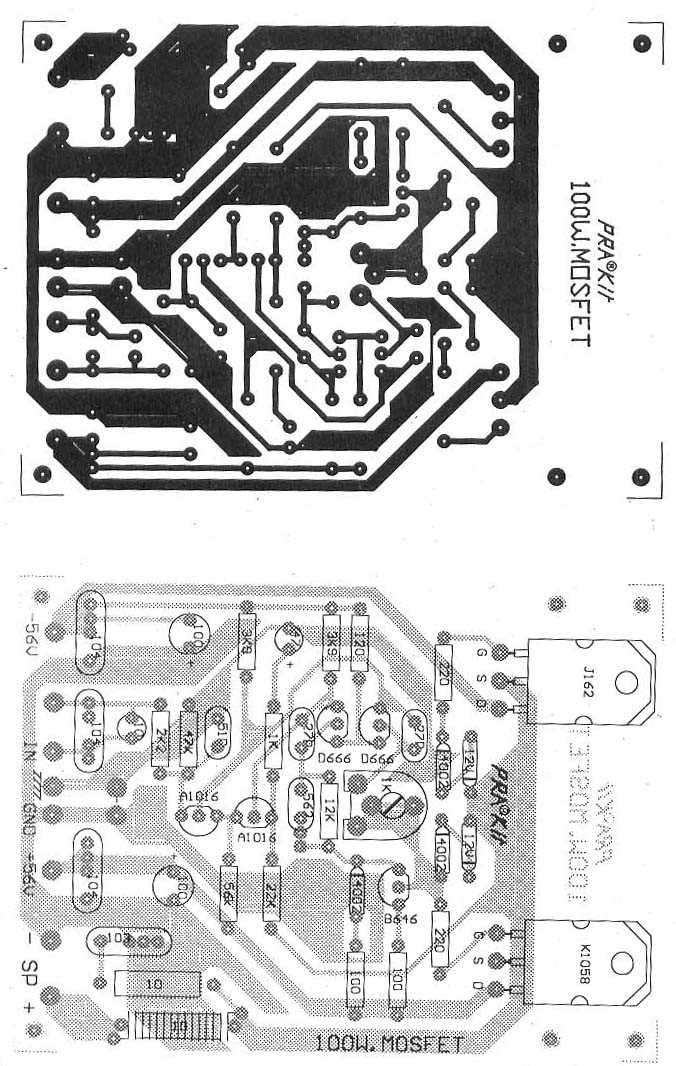
Select enhancement-mode transistors rated for at least 80V and 15A to handle dynamic load swings. Ensure the thermal resistance is below 2°C/W to maintain stability under prolonged operation.
Arrange the input stage with 470µF coupling capacitors near the pre-driver section to stabilize low-frequency response and minimize hum from the power rails.
Gate and Bias Configuration
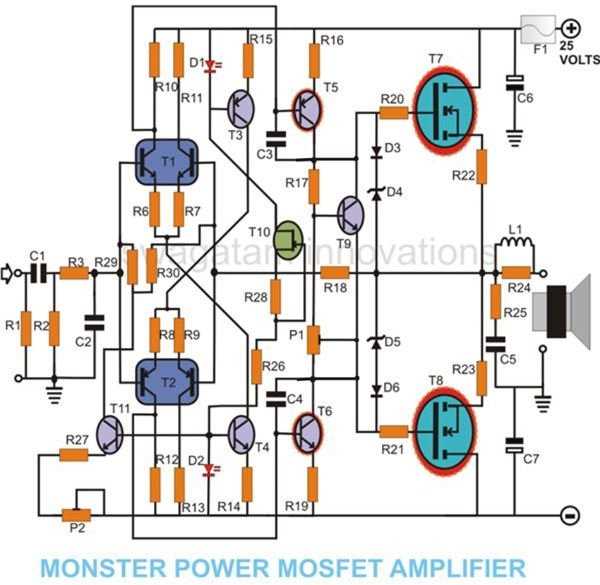
- Install gate resistors between 10Ω and 22Ω to reduce oscillations and switching noise.
- Adjust idle current to 50–100mA per transistor to balance thermal dissipation and minimize crossover distortion.
- Check bias voltages with a multimeter before applying full load to prevent thermal runaway.
Follow a compact signal path layout with short, wide traces to reduce parasitic inductance. Keep feedback connections close to the output devices to maintain linearity and prevent phase shifts.
Use heatsinks with a minimum surface area of 200cm² per transistor and thermal paste to improve heat transfer. Attach fans if ambient temperatures exceed 35°C for continuous operation.
For speaker protection, insert fuses rated at 10A per channel and incorporate a delay relay to prevent turn-on thumps. Include a clamping diode network across the output stage to absorb voltage spikes.
Test the completed setup with a low-frequency signal around 50Hz and a 1kHz sine wave at moderate amplitude. Observe voltage at the output terminals and measure idle current to confirm stability and signal fidelity before full-range operation.
Selecting Suitable Transistor Types for High Current Signal Output
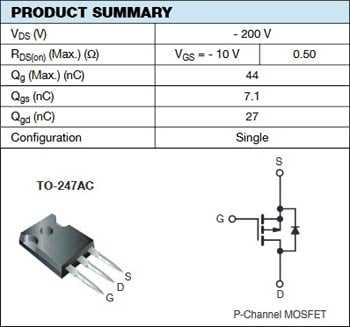
Choose enhancement-mode transistors with a voltage rating at least 25–30% above the maximum supply rails to prevent breakdown during transient spikes. Devices rated for 80–100V handle standard dual-rail configurations effectively.
Check continuous current ratings and pulse current tolerance. For outputs exceeding 15A, select components capable of handling short-term surges of 30A or more without exceeding junction temperature limits.
Prioritize low on-resistance values below 0.05Ω to minimize conduction losses and maintain linearity under heavy load. Devices with Rds(on) above 0.1Ω may introduce heat and reduce overall signal fidelity.
Consider gate charge specifications to ensure switching speed matches the driver stage. Total gate charges below 80nC allow faster transitions and reduce cross-conduction risks in complementary pairs.
Thermal resistance must be low, ideally under 2°C/W from junction to case, with adequate heatsinking. High-power setups benefit from TO-220 or D2PAK packages for improved heat dissipation.
Verify that the safe operating area (SOA) covers the intended voltage and current range. Devices rated with a wide SOA prevent secondary breakdown during dynamic load swings and provide stable operation under peak conditions.
Test selected transistors individually with dummy loads to confirm thermal stability and voltage drop under full load. Measure gate thresholds and drain-source leakage currents to ensure consistent performance across all matched pairs.