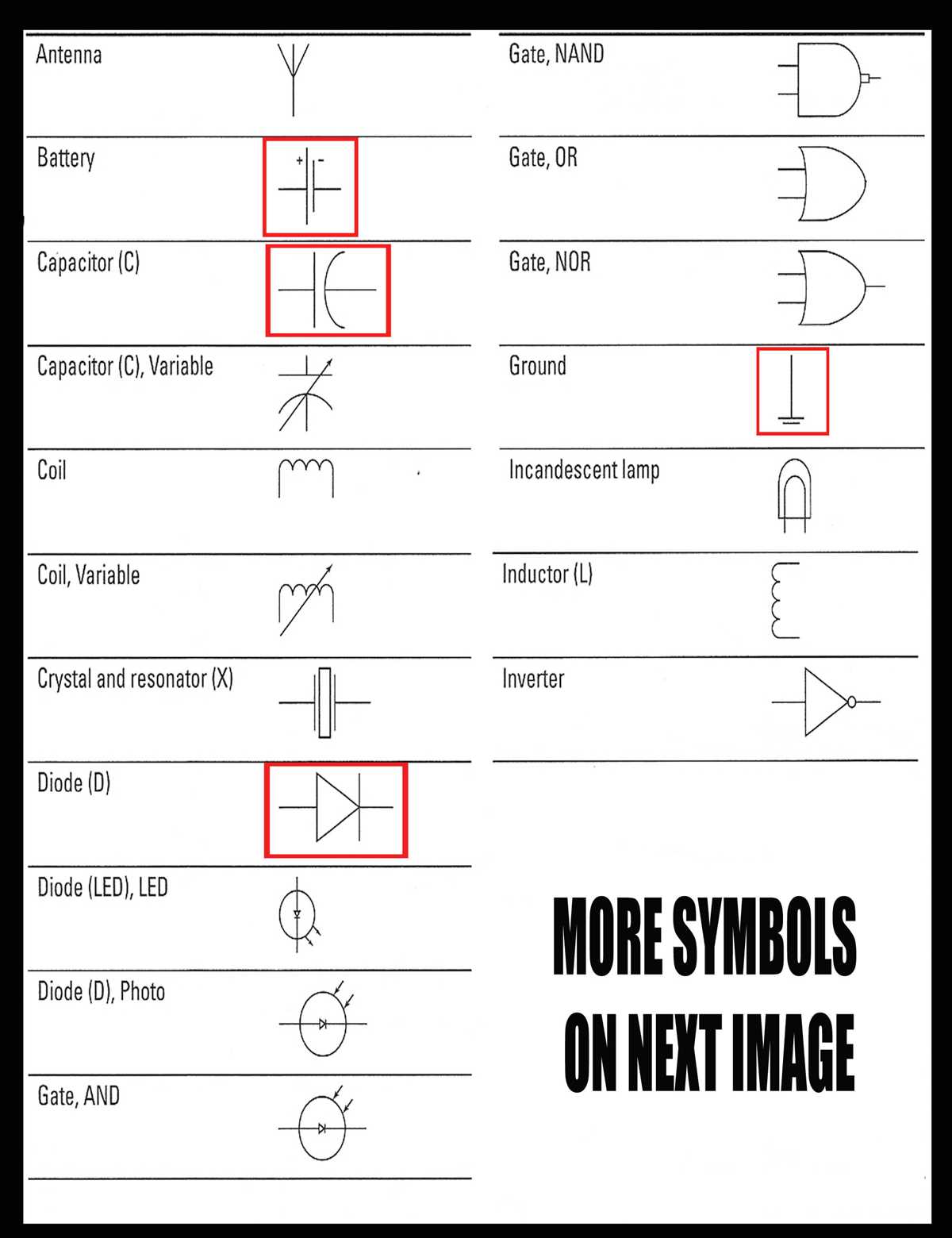
Start by identifying each component symbol and noting its function in the system. Pay attention to resistors, switches, and relays as they define current paths and control points.
Trace the connections step by step from the power source to each load. Follow each line to ensure terminals are correctly linked and no paths are missing or shorted.
Verify voltage and current ratings for each section before applying power. Compare measured values with specification tables to avoid overloading elements or control devices.
Check grounding points and safety devices for proper placement. Confirm fuses and breakers are correctly rated to protect the system from surges or accidental faults.
Document your observations including terminal labels and measurement readings. This record assists in troubleshooting and future maintenance by providing a clear reference of connections and conditions.
Understanding Electrical Connection Layouts
Identify each symbol and its function within the schematic. Resistors, capacitors, switches, and relays control current paths and must be correctly interpreted for accurate setup.
Tracing Paths and Connections
Follow every line from the power source to the end devices. Mark terminals and note intersections to prevent shorts and ensure continuity. Use a checklist for critical connections:
- Main supply lines
- Load terminals
- Control relays and switches
- Grounding points
Verify ratings and test each section before applying full power. Check voltage and current against specifications, ensure fuses and protective devices are in place, and observe for irregular readings to prevent overload or component damage.
Identifying Symbols and Component Functions
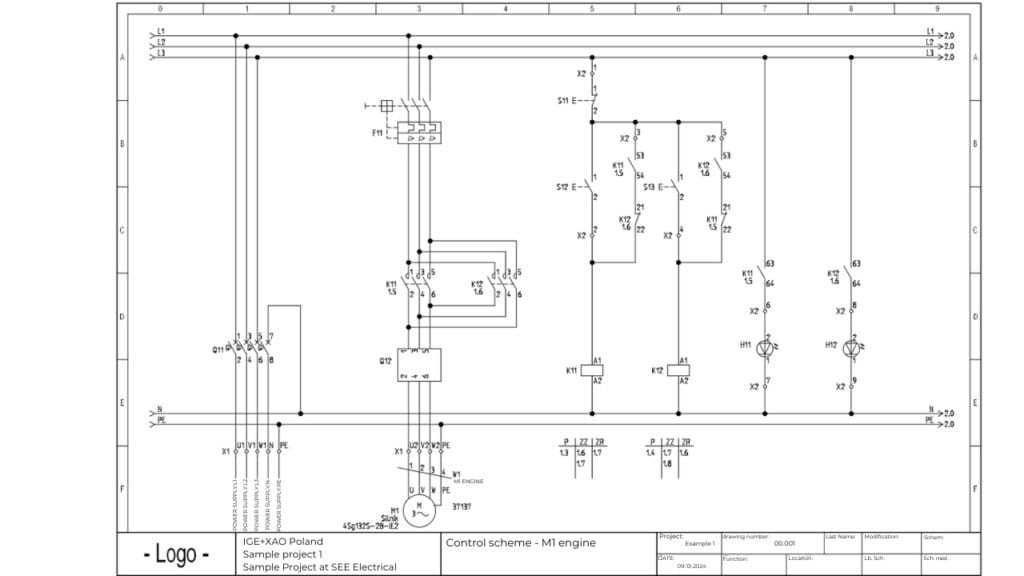
Focus on memorizing the standard graphical representations for switches, resistors, capacitors, and relays. Switch symbols often appear as a simple break in a line, sometimes with an angled lever, while relays include a coil and one or more contacts. Recognizing the orientation and connection points of each symbol prevents misinterpretation of current paths and device roles.
Trace the functional flow by following lines between components: solid lines indicate direct electrical connections, dashed lines usually represent control or signal links. Pay attention to annotations like voltage ratings, pin numbers, or polarity markers. These details define operational limits and the sequence in which devices activate.
Cross-Referencing Component Codes
Component labels such as R1, C5, or K2 correspond to the parts list and datasheets. Match each symbol with its numeric identifier to confirm resistance, capacitance, or switching type. This cross-reference allows verification of component suitability for the circuit and helps detect potential conflicts before assembly or troubleshooting.