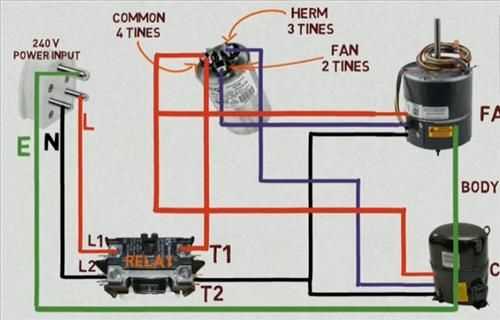
Choose the correct type of electrolytic unit based on the motor voltage and current rating. For a 120V single-phase motor drawing 5A, a 250V capacitor with 50–60µF provides sufficient torque for initial rotation and smooth operation.
Position each component properly near the motor terminals to reduce lead length and minimize voltage drop. Secure terminals with corrosion-resistant connectors and use heat-shrink insulation to prevent accidental shorts.
Include protective elements such as fuses or circuit breakers inline with the main supply. A 10A fuse is appropriate for small motors up to 1/3 HP, protecting the system against overloads and prolonging component lifespan.
Test connections under load using a multimeter to measure voltage across each unit. Ensure polarity is correct, especially for electrolytic types, and observe motor startup behavior to confirm smooth acceleration without humming or stalling.
Perform routine maintenance by inspecting leads and terminals for signs of heat damage or corrosion. Replace components showing excessive wear to maintain consistent performance and prevent failure during operation.
Connecting Motor Electrolytic Units for Reliable Operation
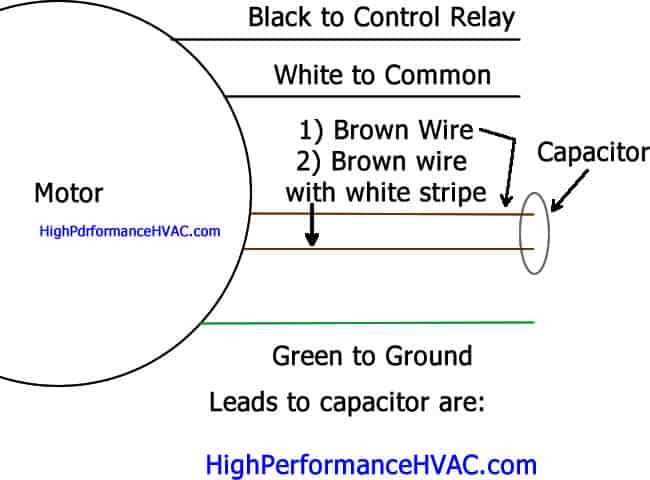
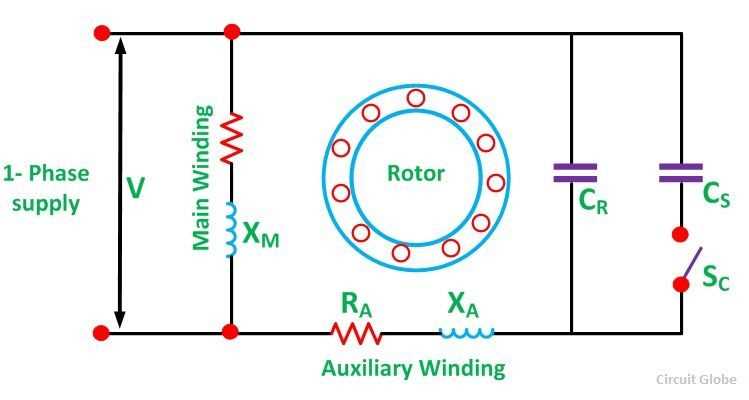
Install the high-capacitance unit directly between the main and auxiliary terminals of the motor. Use short, insulated leads and secure terminals with corrosion-resistant connectors to reduce voltage drop and prevent arcing. For a 120V single-phase motor drawing 6A, a 55µF electrolytic unit rated at 250V is appropriate to provide sufficient torque at startup.
Attach the lower-capacitance unit in parallel with the auxiliary winding using properly rated leads and a protective inline fuse.
- Confirm correct polarity of electrolytic units.
- Check terminal tightness to prevent intermittent operation.
- Test voltage across each component under no-load conditions before full operation.
This ensures smooth motor acceleration and reduces humming or stalling during initial rotation.
Selecting Capacitor Types and Ratings for AC Motors
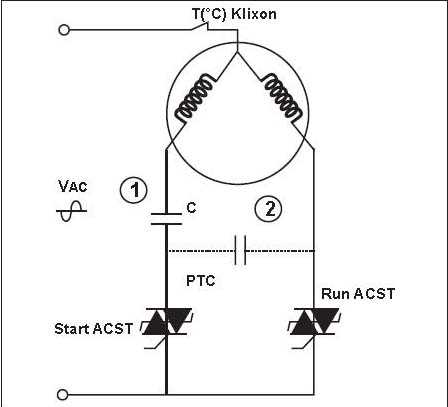
Choose a permanent split unit for continuous operation in single-phase motors. For a 230V motor with 1/2 HP load, a 12µF capacitor rated at 370V AC maintains proper phase shift and prevents overheating of the winding.
Use electrolytic types with higher capacitance for auxiliary torque. A 50µF, 250V electrolytic unit is suitable for small 120V single-phase motors up to 1/3 HP, providing strong initial rotation without stressing the main winding.
Check voltage rating and allow at least 25% margin above operating voltage. Overvoltage can cause dielectric breakdown and shorten component lifespan. For a 230V supply, select units rated at 300V or higher.
Polarity and Connection Considerations
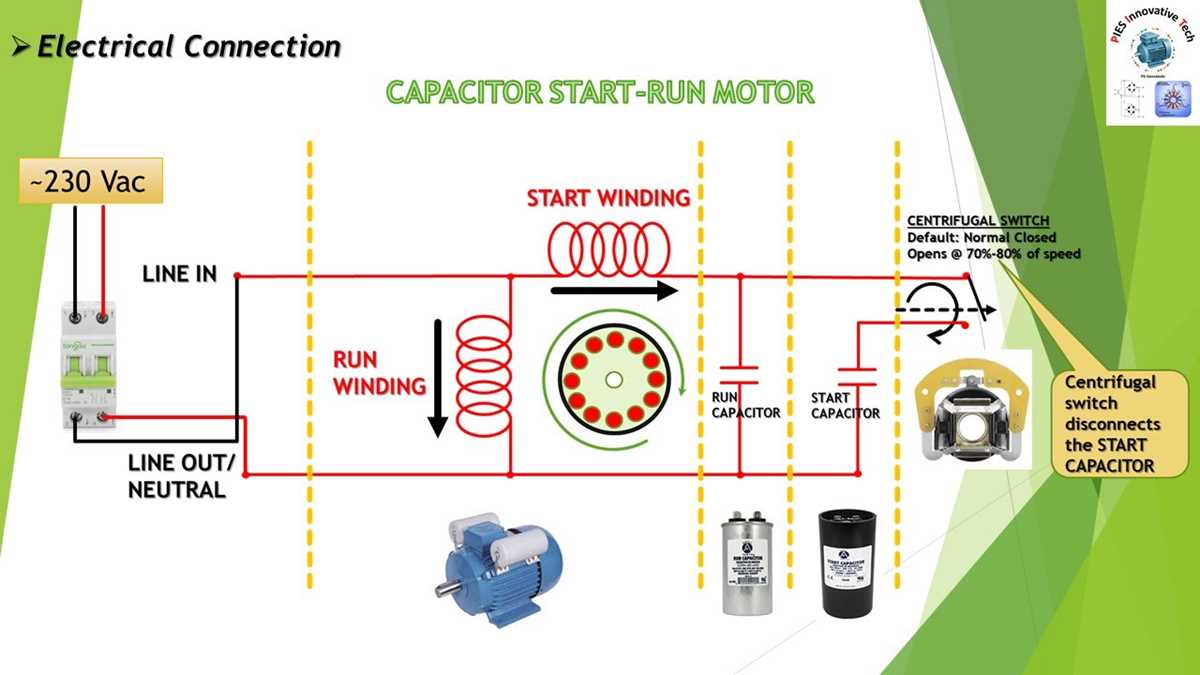
Observe correct polarity on electrolytic units to avoid reverse charging. Connect the positive lead to the auxiliary terminal and the negative to the common or main winding terminal, securing terminals with corrosion-resistant connectors.
Match capacitance to motor specifications using manufacturer charts or testing under controlled load. Too low capacitance results in sluggish startup, while too high can increase current draw and heat generation, risking damage.
Maintenance and Testing
Regularly inspect units for bulging, leakage, or heat marks. Measure actual capacitance with a meter, and replace any unit deviating more than 10% from its rated value to maintain reliable motor performance and prevent premature failure.