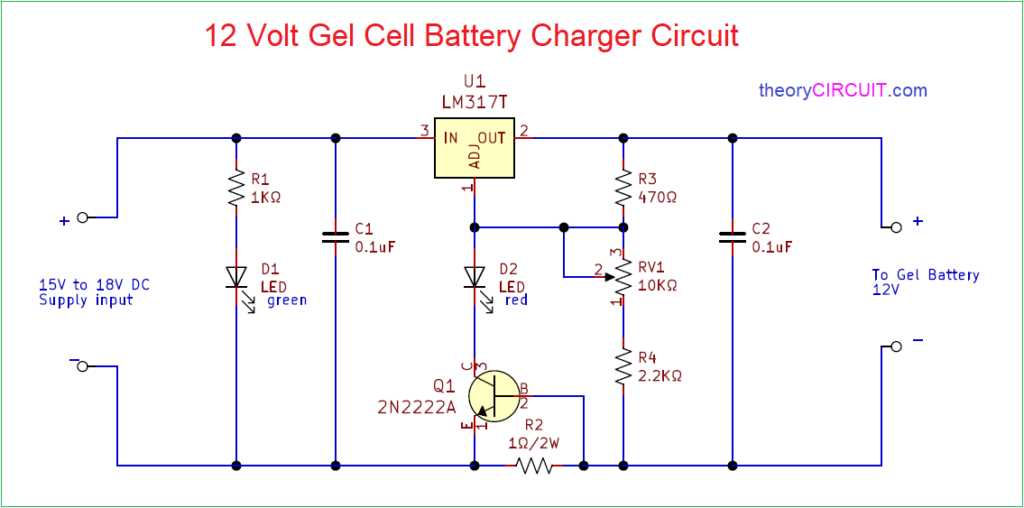
If you’re designing a power supply system that requires safe shutdown upon reaching a certain voltage, it’s crucial to implement a system that automatically halts charging when the battery is full. One common solution involves using a cutoff mechanism that ensures the device stops receiving power, preventing overcharging.
The main purpose of this feature is to protect the connected device and increase the longevity of its power storage cells. By adding a simple voltage detection component, you can achieve a fully automated system that terminates energy flow once the desired voltage is achieved.
To effectively wire this system, you’ll need to understand how components like voltage regulators, resistors, and diodes interact. Ensure that you use reliable parts capable of managing the expected power loads and creating a system that reliably detects the voltage threshold, triggering an automatic shutdown.
By carefully selecting and assembling the right components, you can build a system that balances both performance and safety, ensuring that the charging process stops when the battery reaches its optimal capacity.
Power Supply System with Overcharge Prevention Feature
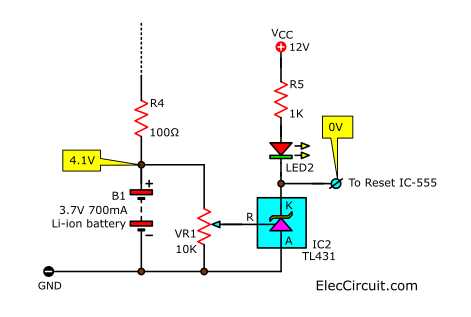
To ensure the longevity of your power storage unit, it’s critical to incorporate a mechanism that halts energy flow once the storage reaches full capacity. A reliable system detects the voltage and disconnects the supply, preventing overcharging that can lead to overheating or even damage.
The best approach involves using voltage sensors or a comparator circuit. These components measure the voltage level and, when the set limit is exceeded, trigger the disconnection process. This action helps safeguard the connected device and avoids potential failures in the power system.
When wiring such a system, consider integrating a simple transistor-based switch. This switch can be activated by a control signal from the voltage detection component, ensuring seamless operation without requiring manual intervention. Proper calibration of the threshold voltage is also vital to achieve accurate results.
Adding a diode for reverse current protection and using capacitors for voltage smoothing can improve the reliability and performance of the system. These components help ensure stable operation during the disconnection process, preventing voltage spikes that could damage sensitive components.
This approach can be applied to a variety of power management tasks, from mobile devices to more complex electronic systems, offering a compact solution that balances safety and efficiency. By focusing on accurate voltage detection and proper circuit protection, you can create a stable and secure power management system.
How the Auto Disconnect Feature Functions in a Power Supply System
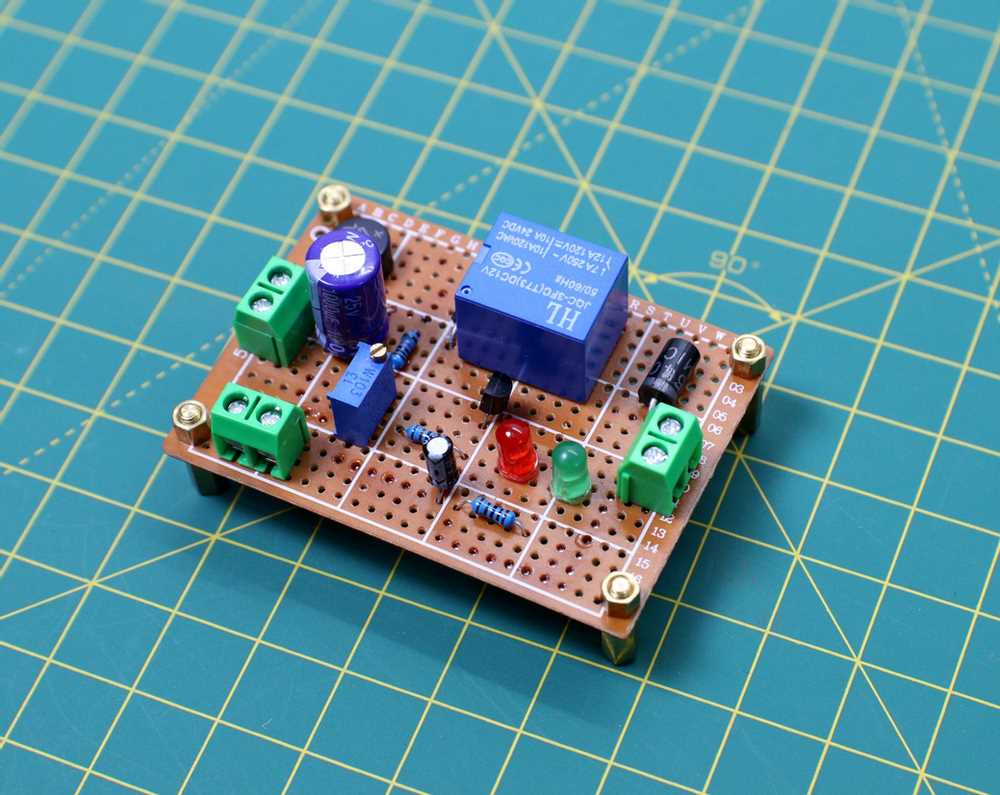
The mechanism that disconnects the energy flow once the storage reaches its full charge is typically controlled by a voltage sensing circuit. This system detects the voltage level and compares it to a pre-set threshold. Once the voltage exceeds this threshold, the circuit triggers a switch, such as a transistor, to break the current path. This prevents overcharging and protects the device from heat buildup or potential damage.
To ensure smooth operation, components like diodes and capacitors are often included. Diodes provide protection from reverse current flow, while capacitors help stabilize voltage levels. Together, these components ensure that the system functions reliably, cutting off power without causing voltage spikes or instability in the system.