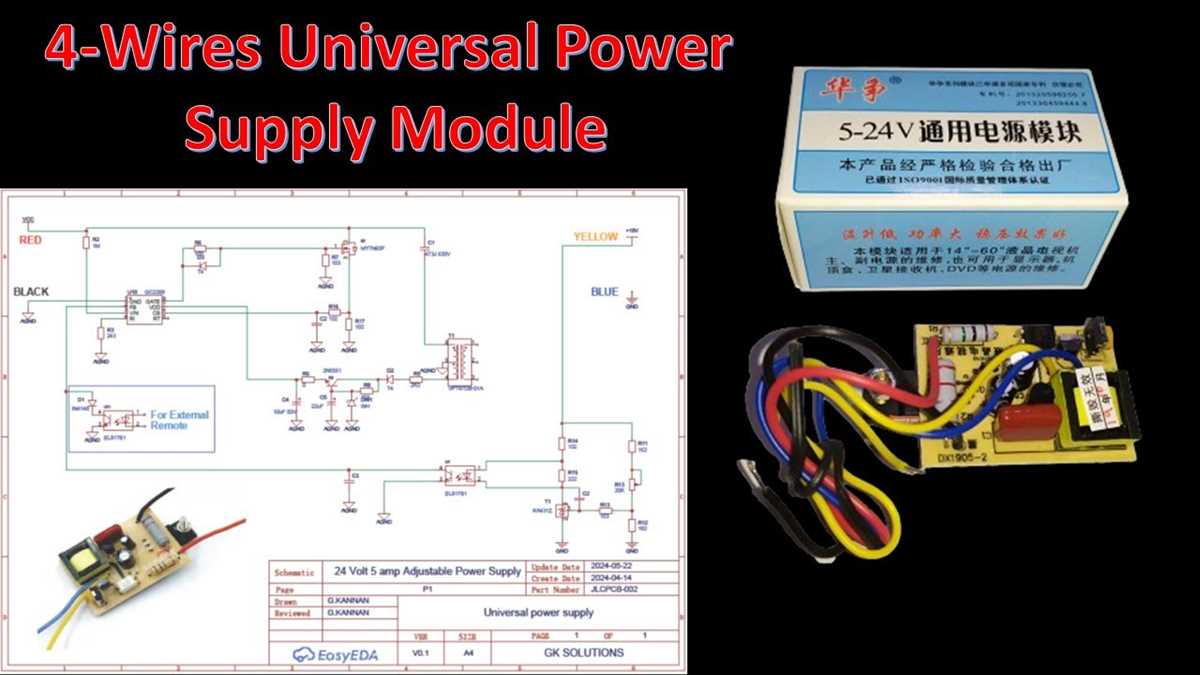
Verify transformer output and grounding points before connecting rectifiers or regulators. Ensure primary and secondary leads are correctly oriented to avoid reversed polarity and potential damage to downstream components.
Check filtering and smoothing elements such as capacitors and inductors for correct values and placement. Measure resistance and capacitance to confirm compliance with design specifications for stable output under load.
Label all connectors and pins while assembling or troubleshooting. Recording terminal assignments, wire colors, and component orientation reduces the risk of misconnection during testing or replacement.
Test regulated outputs with a precision meter to confirm voltage consistency. Observe response under simulated load conditions and ensure protective components like fuses or thermal cutouts engage correctly to maintain safe operation.
24 Volt Power Supply Layout and Connection Guide
Check the transformer secondary terminals before connecting rectifiers. Ensure polarity matches the intended positive and negative rails to prevent reverse current that could damage diodes and regulators.
Verify capacitor and inductor values for filtering stages. Use an LCR meter to confirm that capacitance and inductance match design specifications, reducing ripple and stabilizing the output under varying loads.
Trace all regulator and reference connections carefully. Confirm that input and output pins are properly wired and that any feedback resistors are positioned correctly to maintain steady voltage levels.
Label connectors and wires for assembly and troubleshooting. Assigning color codes or numeric labels for input, output, and ground terminals simplifies testing and prevents misconnection during maintenance.
Test output with a precision multimeter before applying full load. Measure both no-load and loaded conditions to ensure voltage remains within ±5% of the intended level and that protective elements like fuses operate correctly.
Inspect all solder joints and mechanical connections for continuity and stability. Cold or loose joints can introduce resistance, cause heating, and lead to intermittent failures, especially under continuous operation.
Identifying Transformer and Rectifier Connections
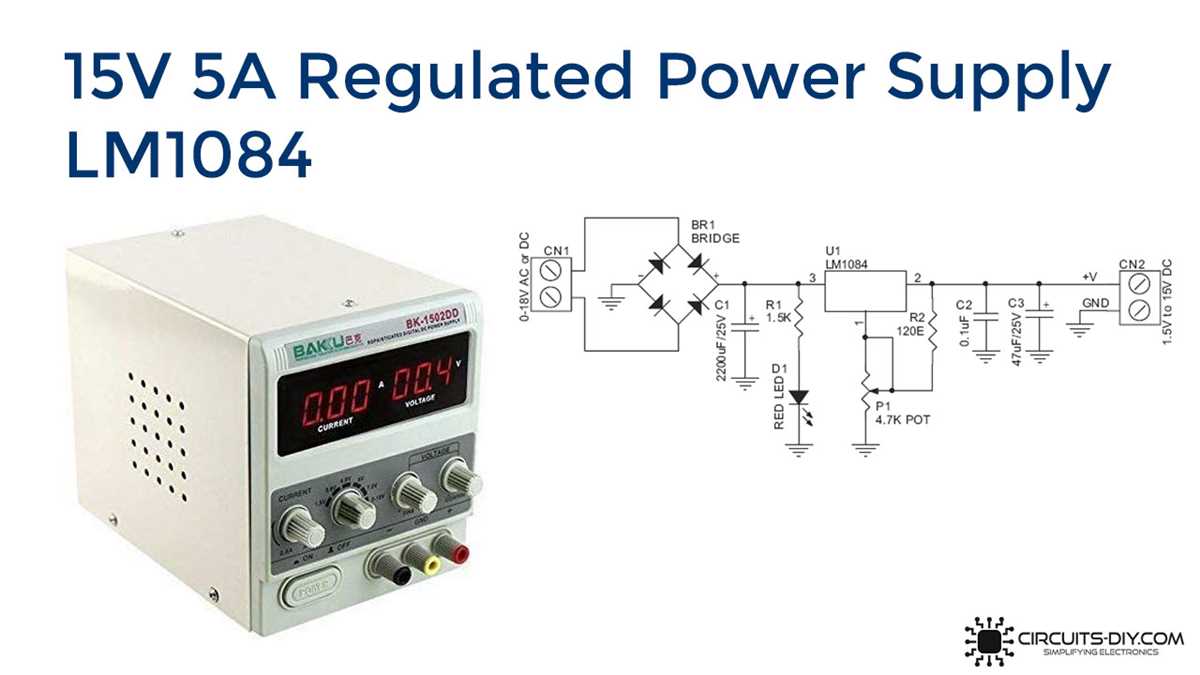
Verify primary and secondary leads on the transformer before assembly. Confirm that the input terminals match your mains rating and that the secondary outputs align with intended positive and negative rails for proper downstream operation.
Mark all winding ends using color codes or labels to avoid confusion. Correct identification of center taps and polarity ensures rectifiers receive proper voltage orientation, preventing reverse conduction that could damage diodes.
Inspect diode orientation before soldering into the rectifier bridge. The anode and cathode must align with the transformer’s secondary outputs to achieve full-wave rectification without shorting any section of the winding.
Check for voltage consistency across each transformer leg using a low-current test. Measure AC potential between terminals to confirm symmetry and detect open or shorted windings early in the setup process.
Secure connections with strain relief to prevent mechanical stress. Loose or strained leads can create intermittent contact, causing voltage fluctuations that affect filtering and regulator performance.
Double-check polarity at each junction before connecting smoothing capacitors. Reversing connections at this stage can result in capacitor failure and increased ripple in the output rails.
Test rectified output under controlled load using a resistive dummy load. Observe voltage stability and verify that protective components such as fuses or thermistors respond correctly to overcurrent conditions without introducing additional faults.