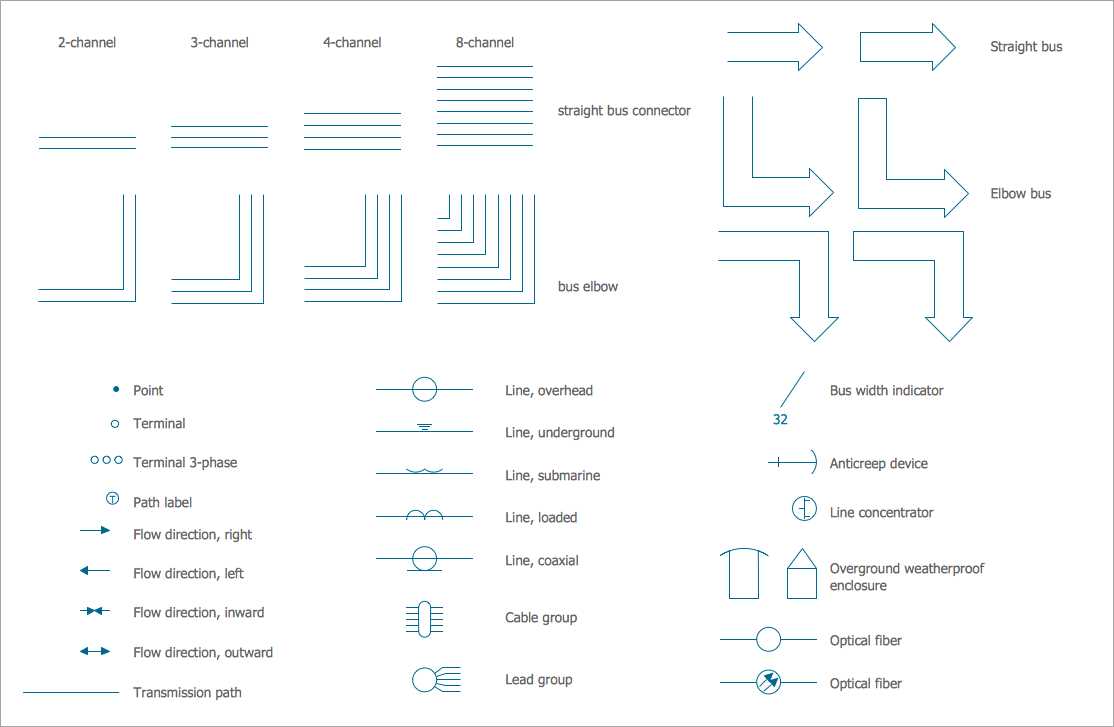
Check each junction carefully before making connections to prevent short circuits and ensure current flows correctly through all active elements. Labeling terminals and referencing standard codes improves accuracy when assembling or troubleshooting boards.
Use a multimeter to verify continuity between nodes and identify the exact routing of signals across the layout. Pay attention to line thickness and orientation, which indicate different current capacities and polarities, helping avoid overloads and misplacement of components.
Refer to standardized shapes for resistors, capacitors, and switches to determine their function at a glance. Matching these markers with the physical components on your board reduces assembly errors and accelerates debugging processes.
Trace each path visually from power supply to output to confirm all active and passive elements are correctly positioned. Components with multiple leads, like transistors or ICs, require careful inspection to ensure pins correspond to the intended connections.
Document modifications and signal changes directly on the schematic copy. This practice creates a reliable reference for future upgrades or repairs and ensures continuity when multiple users work on the same project.
Electrical Symbols and Connection Patterns for Accurate Assembly
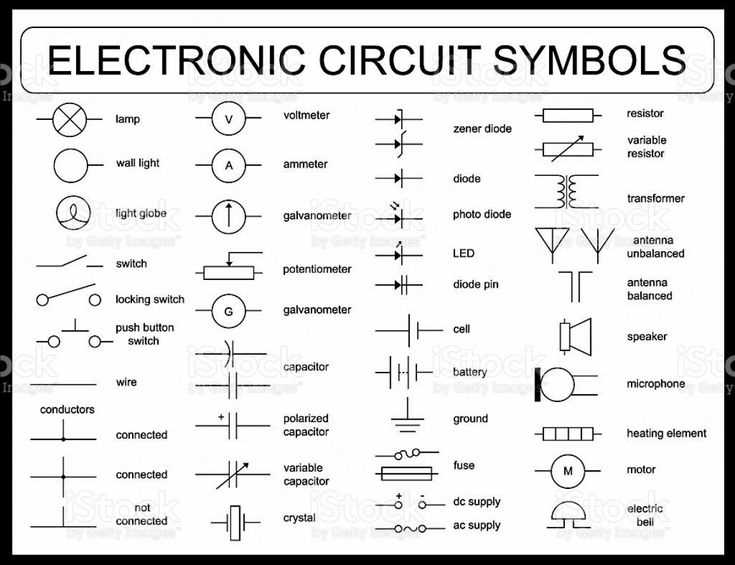
Verify each node against the reference key before soldering components to avoid misplacement. Matching shapes to the physical parts ensures that resistors, capacitors, and switches are correctly positioned for reliable operation.
Follow line paths carefully to maintain proper current flow. Thicker traces indicate higher current capacity, while dashed or dotted lines often represent auxiliary connections or control signals, which must be handled separately to prevent interference.
Group related elements logically to simplify assembly and troubleshooting. For example, cluster power regulation components together and separate signal processing sections to reduce cross-talk and enhance system stability.
Mark all polarities and orientation markers clearly for diodes, LEDs, and transistors. Misalignment of these components can result in malfunction or permanent damage, so double-check orientation before finalizing connections.
Document any changes directly on the layout copy as modifications are made. Keeping a real-time reference prevents confusion during testing, allows for faster adjustments, and ensures consistency when multiple people work on the same assembly.
Identifying Standard Symbols and Their Functional Roles
Check the shape and labeling of each icon before connecting components. Rectangles often represent resistors, while parallel lines indicate capacitors; correct identification ensures proper current flow.
Note the polarity indicators for diodes and LEDs. Arrows and bars indicate direction of conduction, which must match the intended path to avoid reverse bias and potential component failure.
Group devices according to function such as power regulation, amplification, or signal processing. Recognizing functional clusters helps in tracing signals and diagnosing faults during testing.
Observe standard notation for switches and relays. Single-pole or double-pole markers determine how contacts open and close; misreading these can disrupt the operation of controlled circuits.
Identify grounding and reference points consistently. Triangles or downward-pointing lines typically denote ground; ensuring these are properly connected prevents floating voltages that can lead to instability.
Distinguish between input and output nodes by checking line directions and labels. Inputs usually connect to sensors or user controls, while outputs lead to actuators or display devices, guiding correct assembly and testing.
Document any deviations from standard patterns immediately on your copy. Recording substitutions or alterations maintains clarity, aids troubleshooting, and reduces the risk of miswiring during future maintenance or replication.