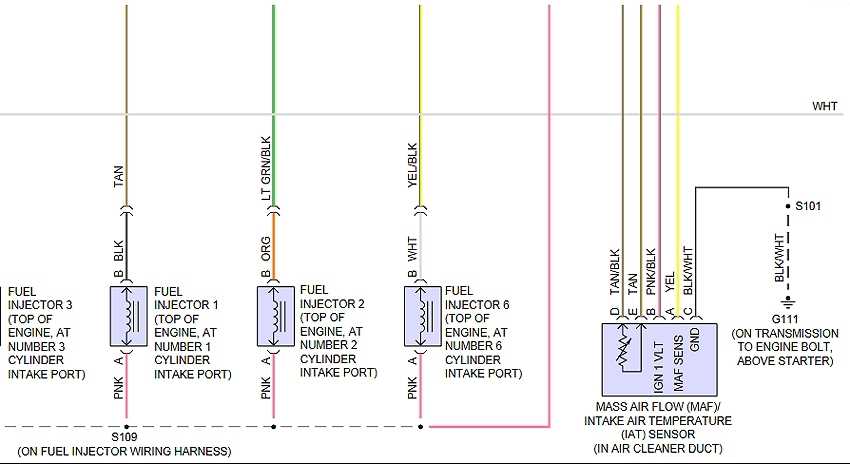
To correctly install a mass airflow measurement device, start by identifying the main terminals that control its communication with the vehicle’s engine control unit (ECU). These terminals usually include a power source terminal, a ground connection, and the output signal wire, which sends data to the ECU for processing.
Ensure that the power connection is made to the vehicle’s main electrical system. This allows the device to receive the necessary voltage for operation. The ground terminal must be securely connected to the car’s body or another grounding point to complete the circuit.
Next, connect the signal wire, which transmits the airflow data. This wire is critical for the engine’s performance, as it provides the ECU with information about the incoming air volume. If this connection is faulty or loose, the vehicle’s engine may run inefficiently, causing poor fuel economy or even engine misfires.
After all connections are made, inspect the entire setup for any loose terminals or exposed wires that could cause shorts or malfunctions. You may want to test the circuit with a multimeter to ensure the voltage and current readings are within the expected ranges.
Finally, after completing the installation, verify that the system is functioning correctly. A quick drive or a diagnostic tool can help confirm that the data is being sent accurately to the ECU. If the vehicle’s performance remains unaffected and no error codes appear, the installation has been completed successfully.
HTML
Mass Air Flow Sensor Wiring Guide
Start by locating the connector on the intake system, usually near the air filter box. The first wire corresponds to the 12V power supply, often marked as red or orange. Use a voltmeter to confirm the correct voltage before connecting. The second wire is the ground, typically black, which is critical for stable operation. Ensure it has a solid connection to the chassis or a dedicated ground point to avoid any voltage fluctuations that could affect sensor performance. The final wire is usually the signal output, providing data to the ECU about the air intake volume. This wire will often be white or yellow. Double-check this connection using an oscilloscope to ensure the waveform is correct and within the expected range.
Testing and Troubleshooting
For accurate sensor performance, measure the resistance between the ground and signal wire to identify any potential short circuits or wiring issues. A typical issue is a loose or corroded ground connection, which can cause inaccurate readings. If the sensor doesn’t respond to changes in air intake or fails to send data to the ECU, inspect the signal wire for damage or wear. Replacing any faulty connectors or wires may resolve intermittent issues. Always verify that the wires are free from moisture or contamination before finalizing the installation to ensure consistent sensor output.
HTML
Understanding the Pinout and Connections for MAF Sensor
Each intake measurement unit typically uses a three-wire configuration: power, ground, and signal output. The power wire, often marked red or orange, should provide a steady 5V DC. Confirm the voltage with a multimeter before proceeding. The ground wire, usually black, connects to the vehicle’s chassis or dedicated ground points. Ensure a clean, solid connection to avoid voltage spikes or sensor failure. The signal wire, typically white or yellow, sends the sensor data to the ECU for processing.
Pinout Identification
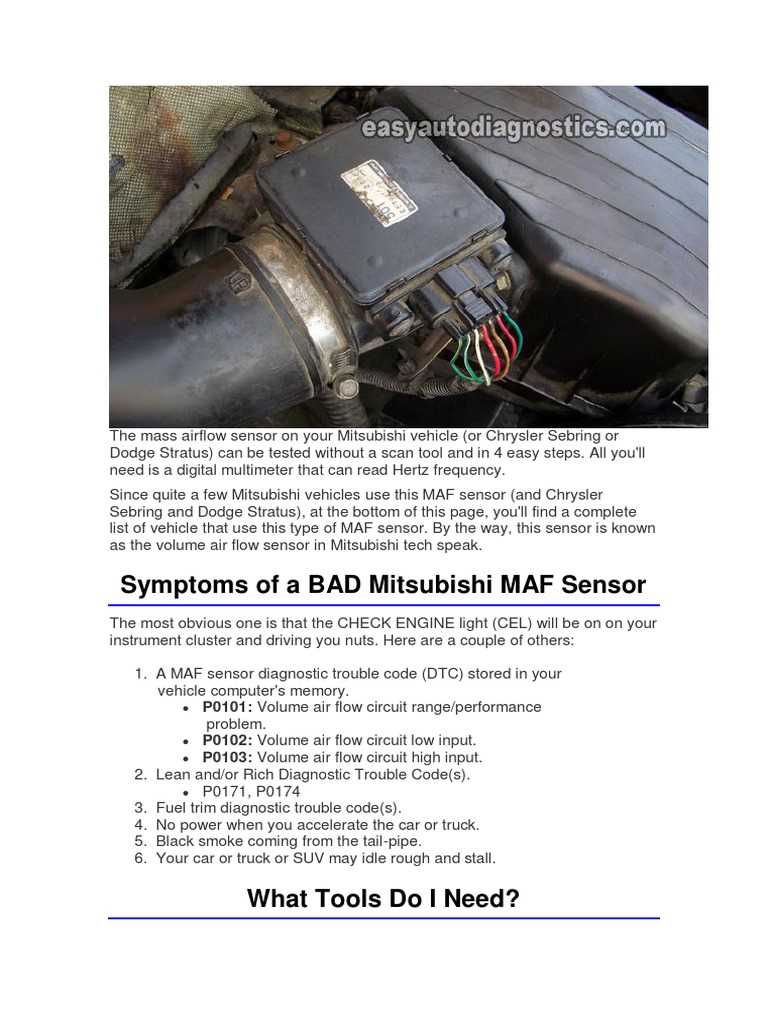
Pinout identification begins with verifying the manufacturer’s datasheet for the exact color-coding of the connector. In most models, the first pin is the 5V power supply, the second is ground, and the third pin is the signal output. However, this may vary by vehicle model, so always cross-check the specific pinout using the service manual. Incorrect identification can lead to inaccurate readings or sensor malfunction.
When testing the wiring, the 5V wire should remain constant. If this voltage is unstable or missing, the sensor will not function properly. The ground wire must be free from corrosion, and the signal wire should display a fluctuating voltage corresponding to the intake volume. Failure to check these connections thoroughly can result in misfires, poor engine performance, or poor fuel efficiency.
Before connecting the pins to the ECU or other system components, inspect for damaged or corroded connectors. If connectors appear compromised, replace them immediately to avoid data transmission errors. Also, verify that no wires are exposed or touching other engine components, as this could cause short circuits or erratic readings.
Testing the Pinout
Use a multimeter or oscilloscope to test the connections. A stable 5V reading on the power pin indicates a good power supply. The ground pin should have near-zero resistance when checked against the chassis. To test the signal output, use an oscilloscope to confirm the waveform’s shape and voltage levels. The signal should vary in response to engine load and intake changes, typically in a square wave pattern or a linear signal depending on the sensor type.
If the readings are not within expected values, inspect the wiring for damage or interference. In cases of fluctuating signal output or no output, the wiring might be faulty, or the sensor may need replacement. Ensuring all connections are properly seated and insulated will prevent future operational issues and improve long-term reliability.