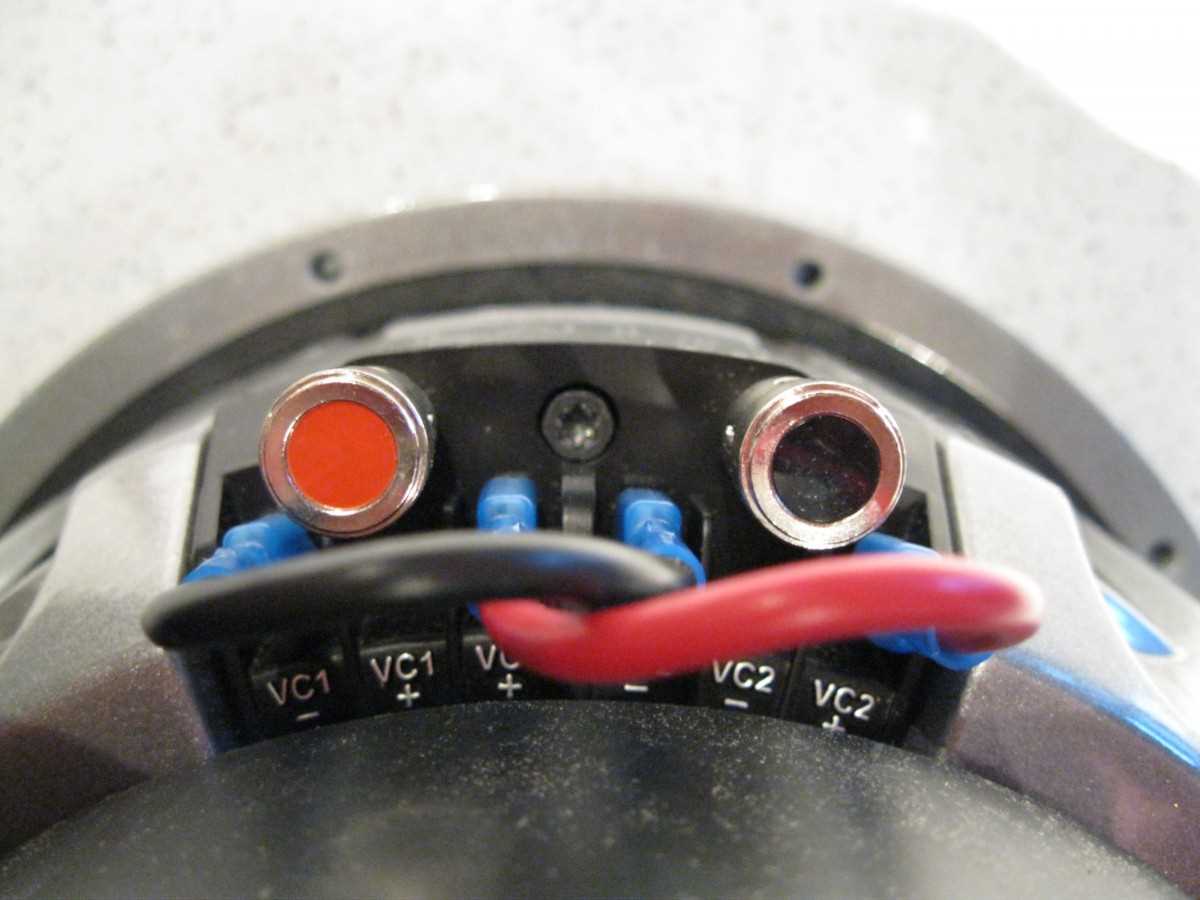
Use parallel coil alignment when aiming to achieve the lowest total impedance and maximize amplifier output without exceeding thermal limits. This method allows a 1-ohm load to draw more current safely, but only if the amplifier can handle sustained low-resistance loads.
Ensure proper polarity matching between terminals to prevent phase cancellation. Incorrect connections can reduce overall sound pressure and distort deep bass response, especially when two voice coils are involved.
Select cables with adequate gauge to reduce voltage drop. For short runs under 10 feet, 12 AWG is recommended, while longer connections may require 10 AWG to maintain power delivery and minimize heating.
Test impedance under load using a reliable multimeter before securing terminals. Measuring the combined resistance ensures that the final setup matches amplifier requirements and avoids overcurrent scenarios.
Use secure terminals and soldering where possible to prevent intermittent connections. Vibrations from enclosures can loosen crimped connections, which may lead to inconsistent output or amplifier strain.
Balance enclosure design with connection method. Sealed boxes tolerate lower impedance better than ported designs because the air load is more consistent, reducing stress on both amplifier and coils.
Label each coil and track connections during installation. Clear identification prevents miswiring when multiple units are installed in parallel or series configurations, ensuring consistent performance across all channels.
Verify amplifier stability at low-resistance loads. Even with proper connections, an amplifier must be capable of handling 1-ohm loads continuously without overheating or triggering protection circuits.
Subwoofer Dual 1 Ohm Connection Guide
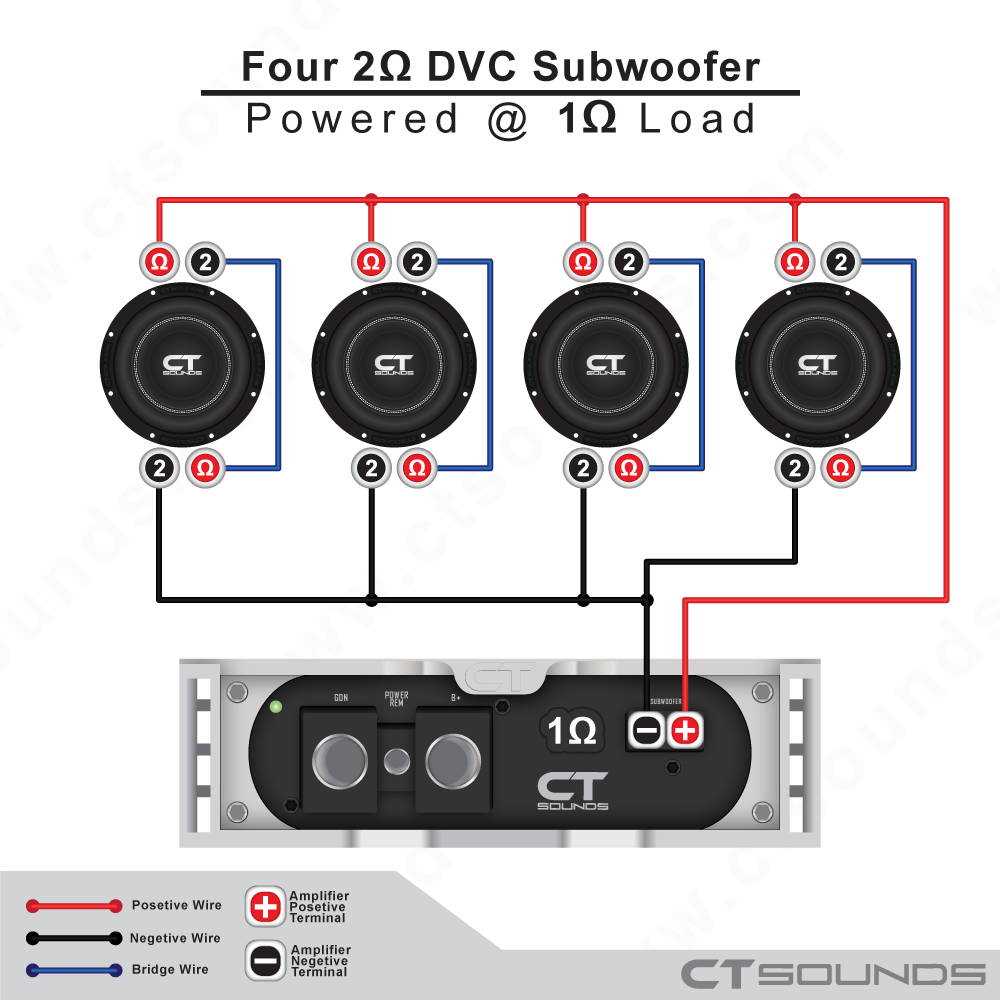
Connect voice coils in parallel to achieve the lowest combined resistance and maximize power transfer. Attach the positive terminal of one coil to the positive of the amplifier, and the negative of the same coil to the amplifier’s negative. Repeat with the second coil to maintain consistent polarity.
Verify total load using a multimeter before powering the system. A 1-ohm target load ensures the amplifier operates within its rated capacity without overheating, while maintaining peak output levels.
Use heavy-gauge cables to reduce voltage drop over long runs. Cables rated at 12 AWG or thicker are recommended for distances over 8 feet to avoid power loss and maintain clarity of deep frequencies.
Secure terminals and solder connections to prevent intermittent contact. Loose or corroded terminals can cause distortion, amplifier strain, or complete signal loss, particularly during high-output sessions.
Balance enclosure and amplifier capabilities by confirming the low-resistance setup aligns with thermal and current limits. Enclosures with tight airspace require careful monitoring of heat buildup to protect both amplifier and coils during extended playback.
Choosing the Right Amplifier and Subwoofer Impedance
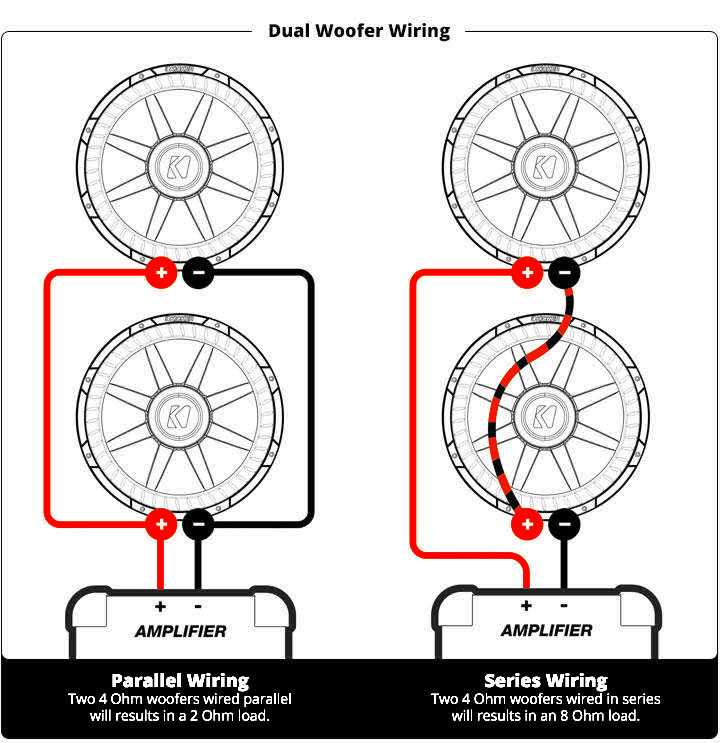
Select an amplifier with stable low-resistance output to match a 1-ohm total load. Verify that the unit can deliver continuous current without thermal shutdown or clipping, particularly at high volume levels.
Check the voice coil configuration before pairing. Single or series coils change the effective load seen by the amplifier, impacting power delivery and heat management during playback.
Match power ratings precisely by comparing RMS output of the amplifier to the continuous rating of the driver. Overpowering can damage components while underpowering limits dynamic response and bass extension.
Consider enclosure size and efficiency alongside impedance. Low-resistance setups demand careful monitoring of amplifier strain and heat dissipation to prevent premature wear or distortion in compact cabinets.
Use a multimeter to confirm final load before driving the system. Accurate measurement ensures the chosen amplifier operates within safe current limits, maintaining clean output and extending component lifespan.