
Start by identifying each pin on the 30 amp twist lock plug. Verify the hot, neutral, and ground terminals using a multimeter before making any connections to prevent shorts or equipment damage.
Ensure the supply cable is rated for 30 amps and properly stripped. Expose only the minimum length of copper needed to fit securely in each terminal. Tighten screws to prevent loose contact and overheating.
Route the cord away from sharp edges and moving parts. Secure with clamps or zip ties to avoid abrasion. Maintain sufficient slack to prevent strain on the connector during insertion or removal.
Test the connection after assembly. Use a continuity tester or plug into a controlled load to confirm correct power flow and grounding. Correct labeling of each line simplifies future maintenance or replacement.
Connector Pin Layout and Power Ground Connection Guide for Safe Installation
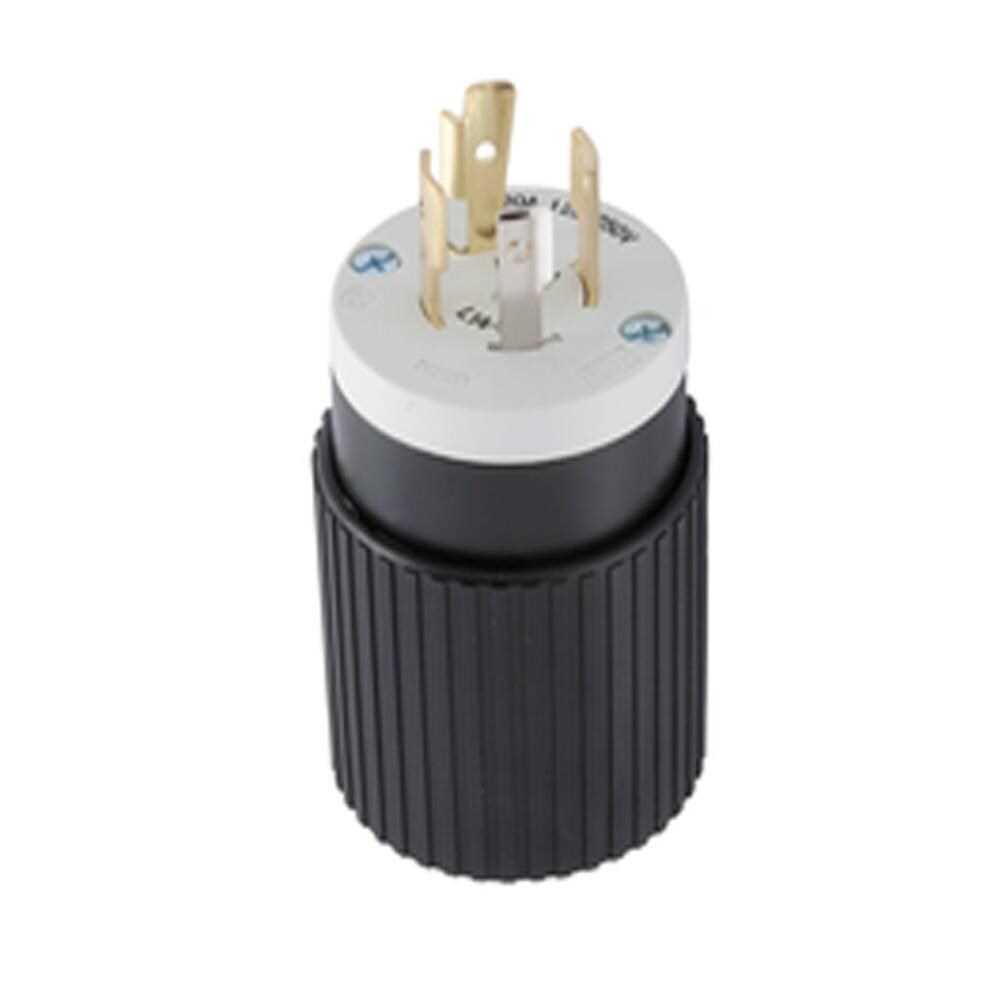
Verify each terminal on the 30 amp twist lock plug before connecting. Identify the hot, neutral, and ground pins using a continuity tester. Secure the stripped conductor firmly in the correct slot to prevent arcing or overheating during operation.
Ensure the supply cord is rated for 30 amps and routed safely. Keep wires clear of sharp edges, metal corners, and moving parts. Use cable clamps or ties to maintain position and reduce strain on the terminals.
Test the assembled connection under a controlled load. Confirm power delivery and grounding integrity. Label each line for future maintenance and verify that all screws are tightened to manufacturer specifications to maintain safe, long-term operation.
Identifying 30 Amp Twist Lock Pins and Their Functions
Begin by inspecting the male and female ends of the connector. Each pin is shaped and positioned to match a specific terminal function. The hot terminals deliver 120V power while the neutral provides the return path for current.
Ground pins are longer and thicker than other terminals. This ensures the chassis connection engages first for safety. Verify the metal tab makes full contact with the mating surface before completing the connection.
Hot terminals are typically arranged at opposite sides of the plug. Check for consistent labeling on the housing to avoid reversing phases. Use a voltage tester to confirm proper orientation prior to use.
Neutral pins are positioned centrally to balance current flow. Ensure the wire is fully inserted and screws are tight. Loose connections can cause overheating and potential arcing.
Color coding and markings on the connector assist identification. Black or red usually indicates hot lines, white for neutral, and green or bare for ground. Confirm each wire with a multimeter before applying load.
After all pins are connected, test continuity across each path. Measure resistance between hot and ground, hot and neutral, and neutral to ground to ensure proper routing. Correct labeling of each conductor simplifies future maintenance or replacement.