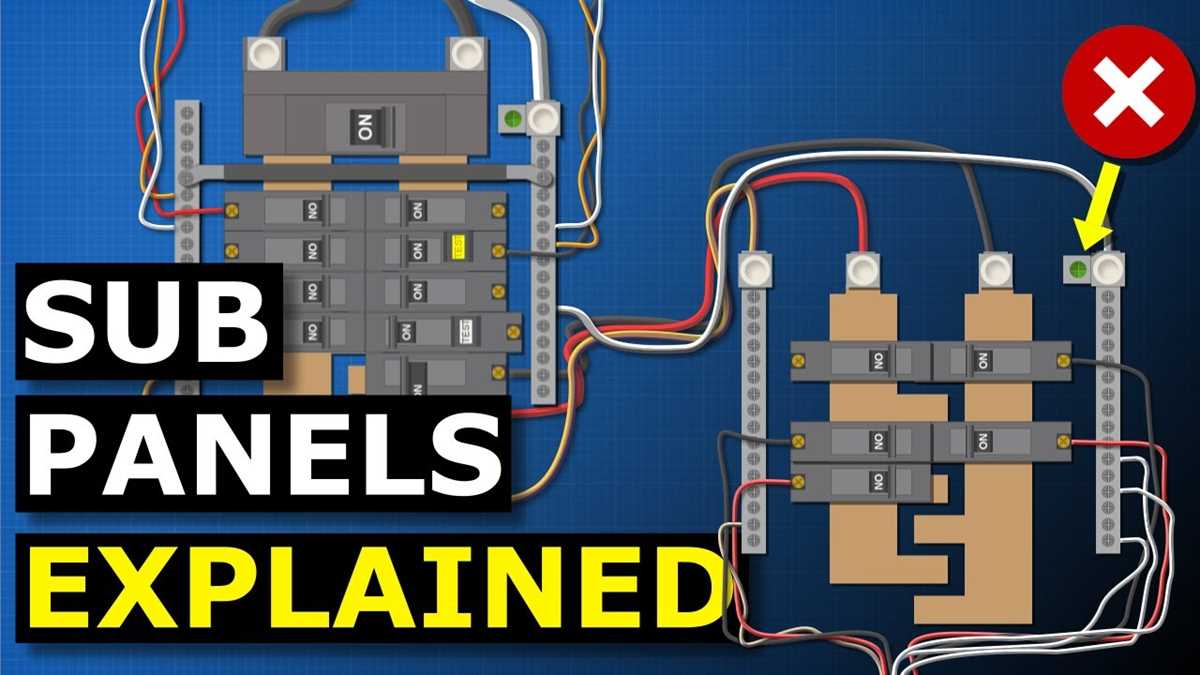
Use a four-conductor feeder rated for 60 A and route two hot lines, one neutral return, and one grounding path from the main distribution board to the secondary load center. Copper conductors commonly used for this rating include #6 AWG for the hot and neutral lines and #10 AWG for the grounding conductor. Aluminum alternatives often use #4 AWG for the current-carrying lines. Install a two-pole 60 A breaker at the source board that feeds the remote distribution unit.
Inside the secondary breaker box, keep the neutral bar isolated from the metal enclosure. The grounding bar attaches directly to the metal case, while the neutral terminal strip must remain separated. This separation prevents return current from flowing through the grounding path. Many installation errors appear at this stage because installers leave the factory bonding screw in place, which connects both bars together.
A clear connection scheme helps avoid overloads and misrouted conductors. Two energized lines land on the main lugs or main breaker of the remote distribution box, the neutral line connects to the insulated terminal strip, and the grounding conductor attaches to the bonded grounding bar. Branch breakers then distribute power to individual circuits such as garage outlets, lighting runs, workshop tools, or HVAC equipment.
Distance between the primary board and the remote distribution point also affects conductor choice. For runs longer than 30–40 meters, voltage drop becomes noticeable under heavy load. In such cases, many installers select a thicker gauge conductor than the minimum rating. This approach keeps voltage closer to nominal levels and reduces heat in the feeder cable.
60 Amp Sub Panel Wiring Diagram With Breaker Layout Ground and Neutral Setup
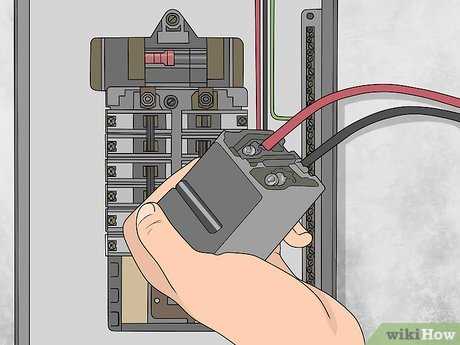
Install a two-pole 60A breaker in the main distribution board and feed a remote load center using four conductors: two hot lines, one neutral return, and one grounding conductor. Typical copper sizes are #6 AWG for the energized lines and neutral and #10 AWG for grounding. Aluminum feeders often use #4 AWG for the current-carrying conductors.
Route the two energized conductors directly to the main lugs or main disconnect of the secondary breaker box. These two lines supply 240-volt potential across both bus bars. Branch breakers clip onto alternating bus positions, allowing both 120-volt and 240-volt circuits. Single-pole breakers feed lighting or receptacles, while double-pole breakers serve equipment such as compressors, heaters, or large workshop tools.
Keep the neutral terminal strip isolated from the enclosure. The neutral return conductor connects to the insulated bar mounted on plastic standoffs. No bonding screw or strap should link this bar to the metal cabinet. Leaving that connection in place creates parallel current paths through grounding conductors and conduit.
The grounding conductor must terminate on a bonded grounding bar attached directly to the metal case. This bar ties together equipment grounding conductors from branch circuits and connects them to the feeder grounding line running back to the primary service equipment. This path allows fault current to trip the upstream breaker quickly during a short circuit.
Breaker layout inside the load center should distribute demand across both bus rails. Avoid stacking large loads on adjacent slots connected to the same rail segment. A balanced layout reduces heat buildup and stabilizes voltage across circuits that power lighting, receptacles, and motor loads in garages, workshops, or detached structures.
Correct feeder wire size breaker rating and cable type for a 60 amp sub panel
Use a two-pole 60A breaker at the main distribution board and run a four-conductor feeder to the remote load center. For copper conductors, the common choice is #6 AWG for both hot lines and the neutral. The grounding conductor is usually #10 AWG copper. Aluminum feeders typically use #4 AWG for the current-carrying conductors. This configuration supports a 240-volt supply with balanced 120-volt branch circuits.
Select the cable type based on installation conditions. NM-B cable works for interior runs through framing inside dry structures. For detached garages or outdoor routes, installers often choose THHN or THWN conductors pulled through PVC or EMT conduit. Underground routes frequently use schedule 40 or schedule 80 PVC conduit buried at about 18–24 inches depending on local code rules. Temperature rating also matters; THHN conductors rated for 90°C allow higher capacity margins compared with older insulation types.
Long feeder runs require thicker conductors to reduce voltage drop. Distances above 30–35 meters under heavy load may benefit from upsizing copper from #6 AWG to #4 AWG. This keeps voltage closer to nominal levels when tools, heaters, or compressors operate simultaneously in the remote breaker enclosure.