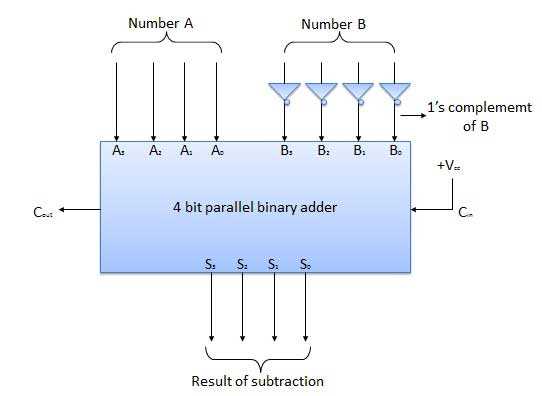
To build a compact and reliable multi-bit summing mechanism, start with understanding how to construct a basic 4-bit adding unit using logical gates. A combination of XOR, AND, and OR gates forms the backbone of such a system, ensuring correct bitwise operations. Each gate has a role: XOR for sum calculations, AND for carrying over bits, and OR for combining multiple carry signals.
Pay special attention to how the carry-out from each bit is propagated to the next. Mismanagement in this process can lead to incorrect results or potential logic errors in the overall system. Proper timing and signal management are critical when wiring the carry bits between the stages.
For testing, simulate the design using software tools before physical implementation. This step helps identify issues in the signal flow and guarantees the design functions as intended in practical scenarios. Ensure that you account for timing delays that could impact performance in larger systems.
4-bit Adder Logic Implementation
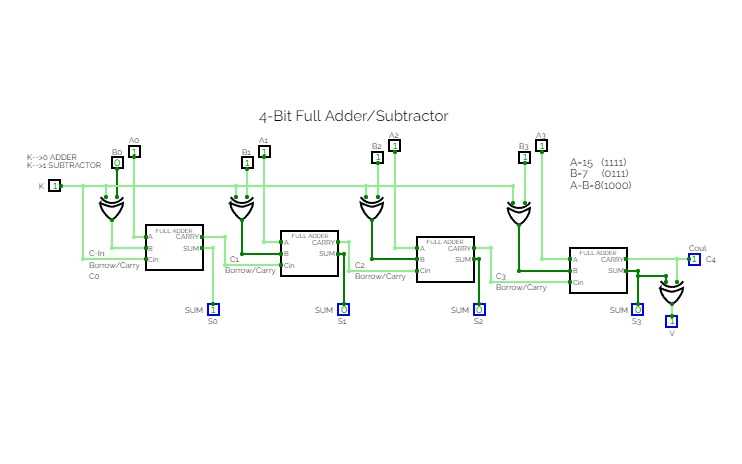
For building a four-bit summing system, start with connecting basic logical gates: XOR gates for calculating the sum and AND gates for carry generation. The result of each XOR gate will give the sum for a given bit position, while the AND gates help determine the carry-out for the next stage. This carry propagation needs careful attention, as improper handling can result in inaccurate results in a larger setup.
The carry-out from each bit position must be connected to the carry-in of the next stage. Make sure to test the system at different levels of complexity, simulating various inputs to ensure that the addition is performed correctly. It’s also important to verify that the carry is handled properly, especially when dealing with overflow scenarios in multi-bit configurations. When building the system physically, ensure that the connections are solid and double-check the gate configurations for possible signal conflicts.
Designing a 4-bit Adder Using Logic Gates
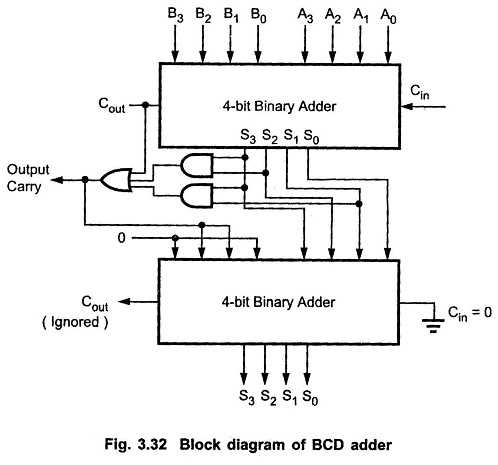
To design a multi-bit addition mechanism, start by selecting the basic gates: XOR, AND, and OR. The XOR gates will handle the bitwise sum, while AND gates are used for generating the carry for each bit. The OR gates help combine carry signals from different stages. Each gate plays a crucial role in ensuring that the addition process works smoothly and correctly.
Building the First Stage
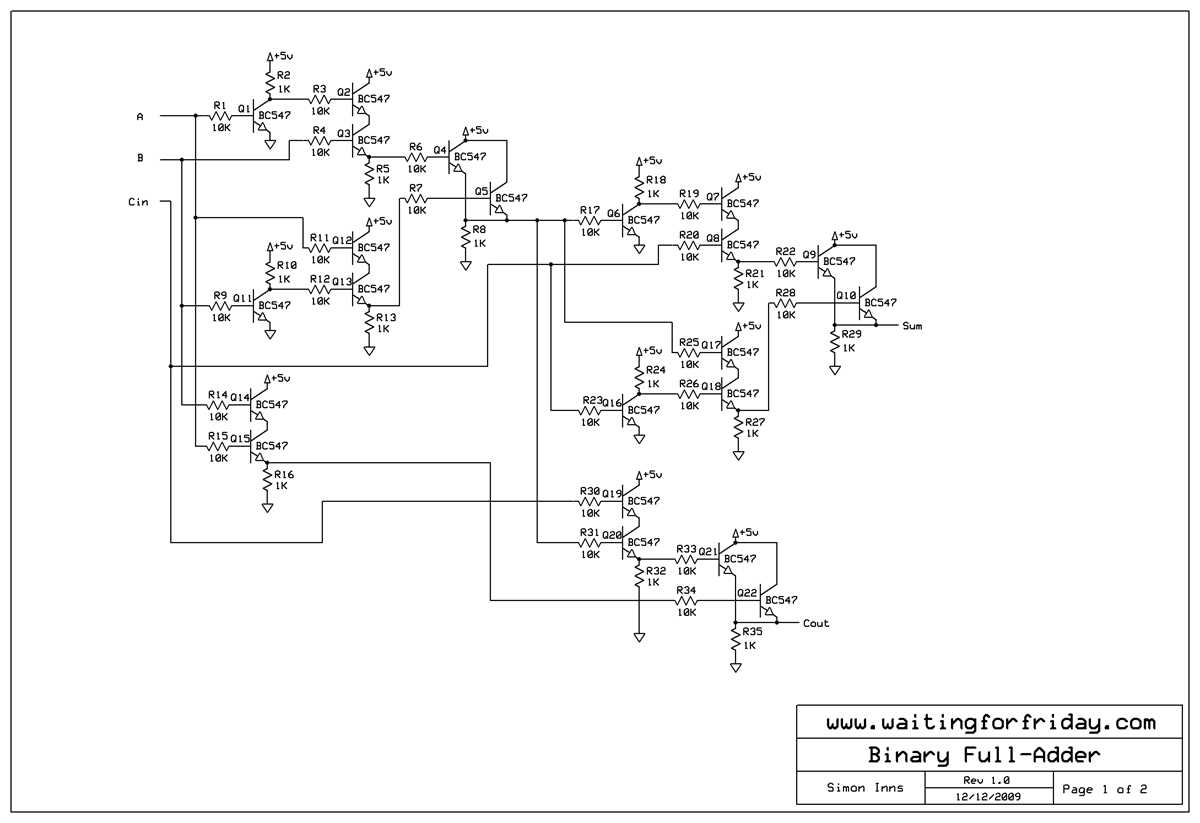
For the least significant bit, connect the input bits directly to the XOR gate, which will give the sum. The carry-out for this first stage is determined by the AND gate. This output will be the carry-in for the next bit’s addition process. It is essential to ensure the first carry-out is connected properly to avoid errors in subsequent stages.
Linking the Carry to Higher Bit Positions
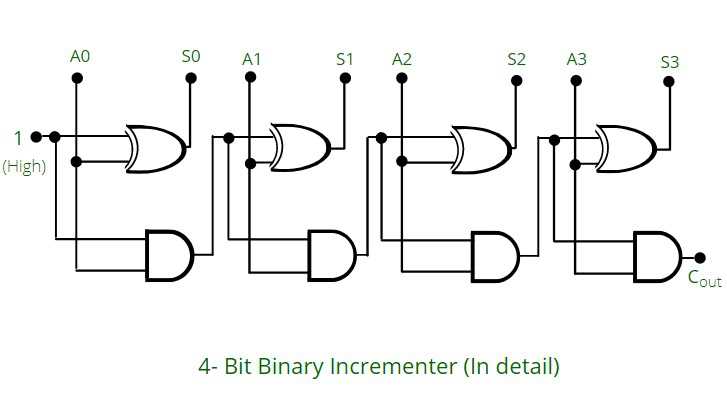
As you move from one bit to the next, the carry-out of each bit must be fed into the carry-in of the next. This allows the summing mechanism to function as intended across multiple bits. For each additional bit, repeat the process, ensuring that each stage correctly computes the sum and carry for the current bit while propagating the carry signal to the next stage.
- Connect the XOR gates to calculate the sum.
- Use AND gates to generate the carry-out for each bit.
- Feed the carry-out of each stage to the next stage’s carry-in.
Finally, check the entire system with a series of test inputs. Ensure the carry is being handled correctly, especially for edge cases like overflow. By thoroughly testing the design, you can verify that the logic gates are functioning as expected, and the addition process is completed without errors.