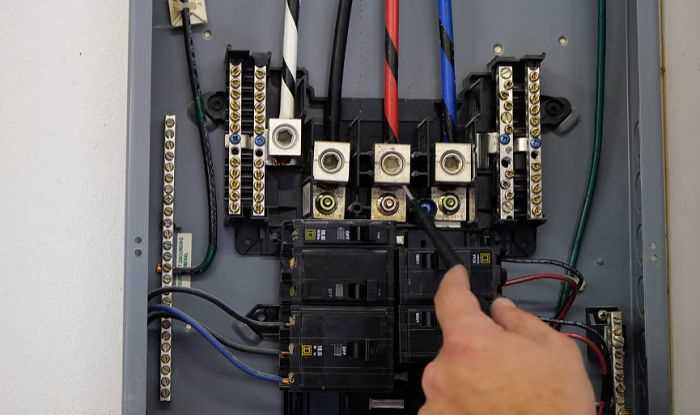
Install a double pole protection switch in the distribution panel when powering large appliances that require two hot conductors from opposite phases. These loads commonly include electric ranges, clothes dryers, water heaters, and central air systems. Each pole connects to a separate bus bar inside the panel, producing approximately 240 volts across the two hot conductors.
Run a cable containing two insulated hot conductors plus grounding conductor from the panel to the appliance outlet or junction box. Typical conductor colors include black and red for the hot lines and green or bare copper for grounding. Some equipment also requires a white neutral conductor, especially for dryers or ranges that supply both 120 and 240 volt components.
Follow the connection layout printed on the panel cover and inside the appliance terminal block. The drawing shows how each conductor attaches to terminals, grounding lugs, and supply points. Accurate placement prevents reversed polarity, overheating, and nuisance trips caused by improper connections.
Use conductor sizes that match the load rating and overcurrent protection device. For example, 10 AWG copper commonly supports a 30 amp double pole device used for dryers, while 6 AWG copper may serve 50 amp connections for electric cooking equipment. Correct conductor routing, secure terminal tightening, and proper grounding maintain stable operation and reduce fire risk.
220 Breaker Wiring Diagram Double Pole Connection Layout and Panel Setup
Install a two-pole protection device that connects to both phase bus bars inside the service panel. Each pole receives one hot conductor, creating approximately 240 volts between them. This configuration supplies high-power appliances such as electric ranges, clothes dryers, water heaters, and central air equipment.
Connection layout inside the electrical panel
Mount the two-pole switch so it clips onto adjacent slots that contact separate bus bars. Attach the first hot conductor to the left terminal and the second hot conductor to the right terminal. The grounding conductor connects to the grounding bar, while a neutral conductor attaches to the neutral bus if the appliance requires a mixed voltage supply.
Use cable types rated for the required current level. For example, 10 AWG copper typically serves a 30-amp protection device used for dryers, while 8 AWG or 6 AWG conductors may support loads rated near 40–50 amps. Cable insulation should match the installation environment, such as NM-B for interior walls or THHN conductors inside conduit.
Routing conductors to the appliance connection point
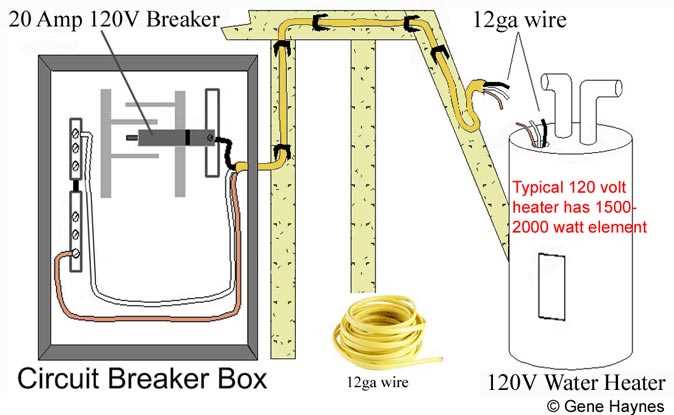
Run the cable from the service panel through framing cavities or conduit until it reaches the outlet box or terminal enclosure near the appliance. Secure the cable with clamps and maintain bend radius limits to prevent insulation damage. Leave enough slack inside the box for safe termination.
Attach the two hot conductors to the supply terminals on the appliance connection block. If the equipment includes both 120-volt controls and 240-volt heating elements, connect the neutral conductor to the center terminal marked N. Grounding conductor must attach to the metal chassis bonding screw.
Verify terminal torque after tightening each screw clamp. Loose connections create heat buildup that may damage insulation and cause intermittent shutdown of heating elements or motors.
Label the two-pole device in the service panel with the appliance name. Clear labeling helps isolate the power source during maintenance and prevents accidental energizing while servicing the equipment.
How to Connect a Double Pole 220 Breaker Inside the Electrical Panel
Shut off the main disconnect and verify zero voltage on the bus bars before installing the two-pole protective switch. Snap the device onto two adjacent panel slots so each pole contacts a different phase bar. Insert the first hot conductor, usually black, into one terminal and the second hot conductor, often red, into the opposite terminal. Tighten terminal screws to the torque specified on the device label. Route the cable through a panel knockout with a strain relief clamp and attach the grounding conductor to the grounding bar.
Terminal placement and conductor routing
Keep hot conductors separated from neutral and ground paths inside the panel enclosure. If the appliance requires a neutral return, terminate the white conductor on the neutral bus rather than the protective switch. Use conductor sizes matched to the device rating, such as 10 AWG copper for a 30 amp unit or 6 AWG copper for a 50 amp load. After securing all terminals, reinstall the panel cover, restore power at the main disconnect, and measure voltage across the two hot terminals to confirm approximately 240 volts.