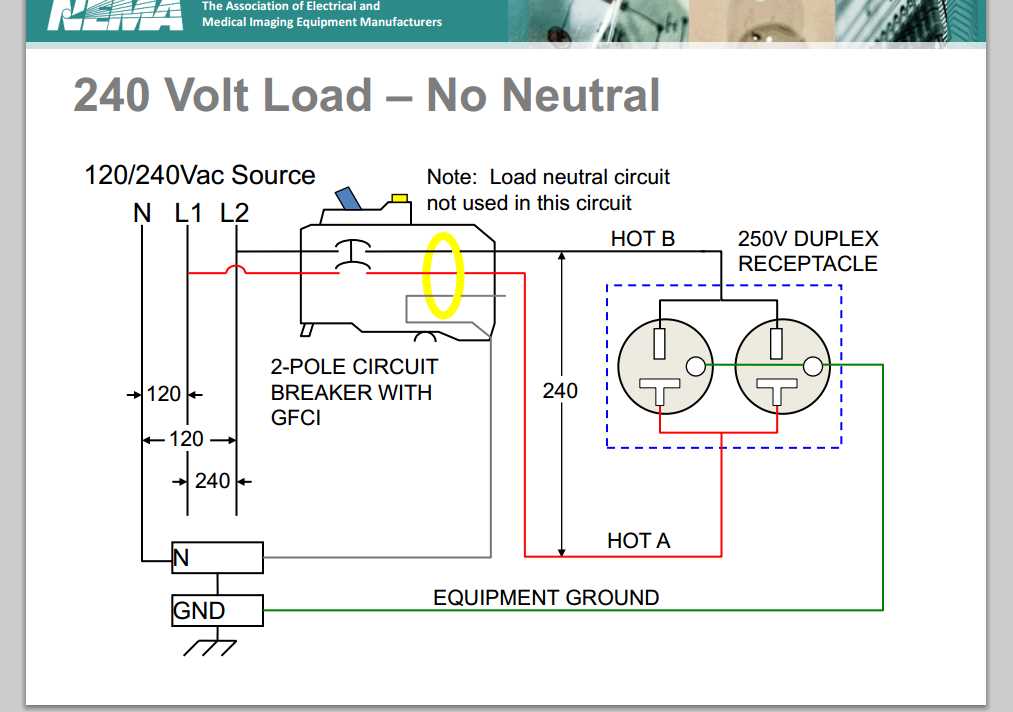
Connect the device to two separate hot bus bars inside the service panel. This setup delivers 240 volts by combining two 120-volt supply lines that remain out of phase. Large household equipment such as electric ranges, dryers, and water heaters rely on this configuration for stable power delivery.
The protective switch occupies two adjacent slots in the panel so both hot lines disconnect at the same time. A shared internal handle ties the contacts together, ensuring both conductors open simultaneously during overload or short-circuit conditions. This design prevents one energized line from remaining active while the other shuts off.
Each load conductor from the appliance cable attaches to its own terminal on the device. Tightening the terminal screws to manufacturer torque values prevents overheating at the contact point. Loose connections often lead to insulation damage and visible discoloration near the terminal clamp.
The return path does not pass through this device in most 240-volt appliance installations. Neutral conductors connect directly to the neutral bar inside the panel, while grounding conductors attach to the grounding bar bonded to the panel enclosure. Correct placement of these conductors maintains proper fault protection and reduces risk of electric shock.
Before installation, confirm panel capacity and conductor gauge. A 30-amp unit commonly uses 10-gauge copper cable, while a 40- or 50-amp setup may require 8- or 6-gauge conductors depending on equipment rating. Matching conductor size with the protective device rating prevents overheating and insulation failure.
2 Pole Breaker Wiring Diagram With 240V Panel Line and Load Connections
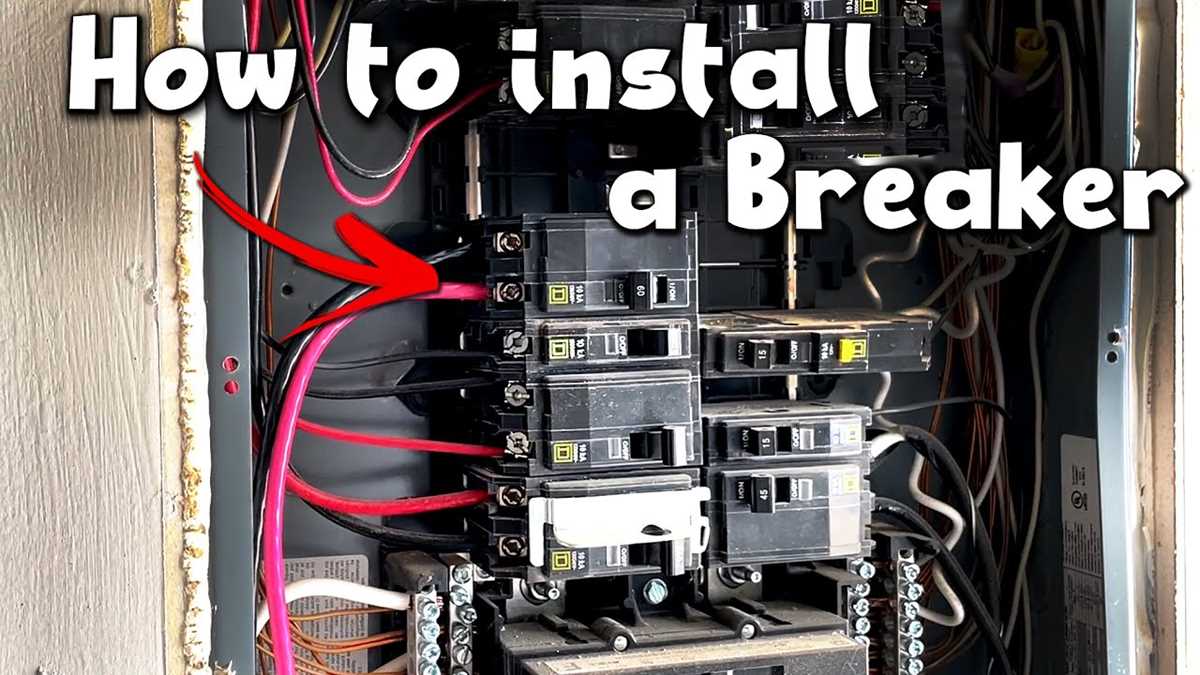
Install the double-width protective switch so it contacts two adjacent bus bars inside the panel. These bars carry separate 120-volt phases. When both are engaged by the device, the output delivers 240 volts for heavy appliances such as ovens, dryers, and water heaters.
The supply conductors from the panel bus connect to the rear clips of the unit automatically when it snaps into place. No manual attachment is required on the supply side in most residential panels. Proper alignment ensures both internal contacts engage separate bus strips.
Attach the outgoing load conductors to the two terminal screws located on the front of the device. Each conductor must occupy its own terminal clamp. Strip about 12 mm of insulation, insert the copper fully, and tighten the screw to the torque value printed on the panel label.
Common conductor sizes for 240-volt appliance circuits include:
10 AWG copper for 30 amp loads
8 AWG copper for 40 amp loads
6 AWG copper for 50 amp loads
Route the appliance cable through an approved connector where it enters the panel cabinet. This fitting prevents insulation damage caused by metal edges and secures the cable against movement.
Neutral conductors bypass this protective switch and terminate on the neutral bar mounted along the panel interior. Only appliances requiring a neutral connection use this conductor. Pure 240-volt equipment such as certain water heaters may use only two hot lines plus equipment ground.
The equipment grounding conductor attaches to the grounding bar bonded to the panel enclosure. This path carries fault current back to the service ground if a metal frame becomes energized. Tight, clean connections on this bar improve fault clearing speed.
After completing all connections, switch the device to the OFF position, install the panel cover, then energize the panel main disconnect. Turning the double-width unit to ON should supply power simultaneously to both hot conductors feeding the appliance.
How to Connect Two Hot Supply Lines From Panel Bus Bars to a 2 Pole Breaker
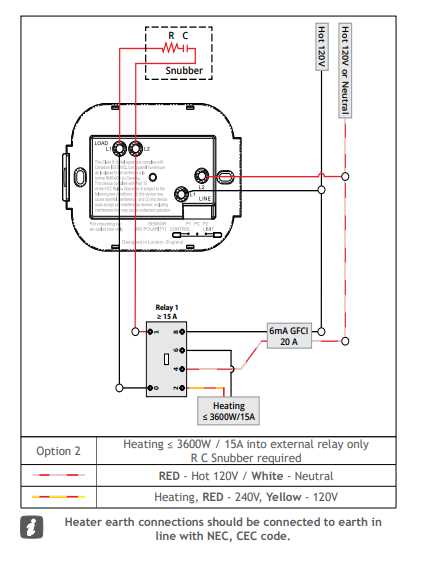
Mount the double-width switching unit so its rear clips lock onto two neighboring bus bars inside the panel. Each bar carries a separate 120-volt phase. When both clips engage these bars, the device receives two hot feeds that together deliver 240 volts to the connected load.
Verify the main disconnect is turned off and confirm absence of power using a multimeter between each bus strip and the neutral bar. Readings should show zero before installing the device. This check prevents accidental contact with live conductors during placement.
Align the rear hooks of the device with the panel mounting rail and press the opposite side firmly toward the bus bars until the clips snap into place. Proper seating ensures the internal contacts touch both supply strips without gaps or uneven pressure.
Once the device sits firmly in the panel slot, confirm the handle spans two adjacent module spaces. This width ensures both internal contacts engage separate phases rather than the same bus segment.
Inspect the connection visually. The device should sit flush with neighboring units, and no copper from the bus bars should remain exposed beyond the clip area. Misalignment may cause overheating at the contact point.
After installation, attach the outgoing load conductors to the terminal screws on the front of the device. Tighten each screw to the torque value listed on the panel label so both hot feeds deliver stable current to the connected appliance.